SK Hynix’s U.S. share premium survives Korea conversion cap
A Korea Securities Depositary quota limits new SK Hynix ADR creation, leaving U.S.-listed shares trading far above the Seoul line.
By Frankie Delgado · News Reporter
3 min read
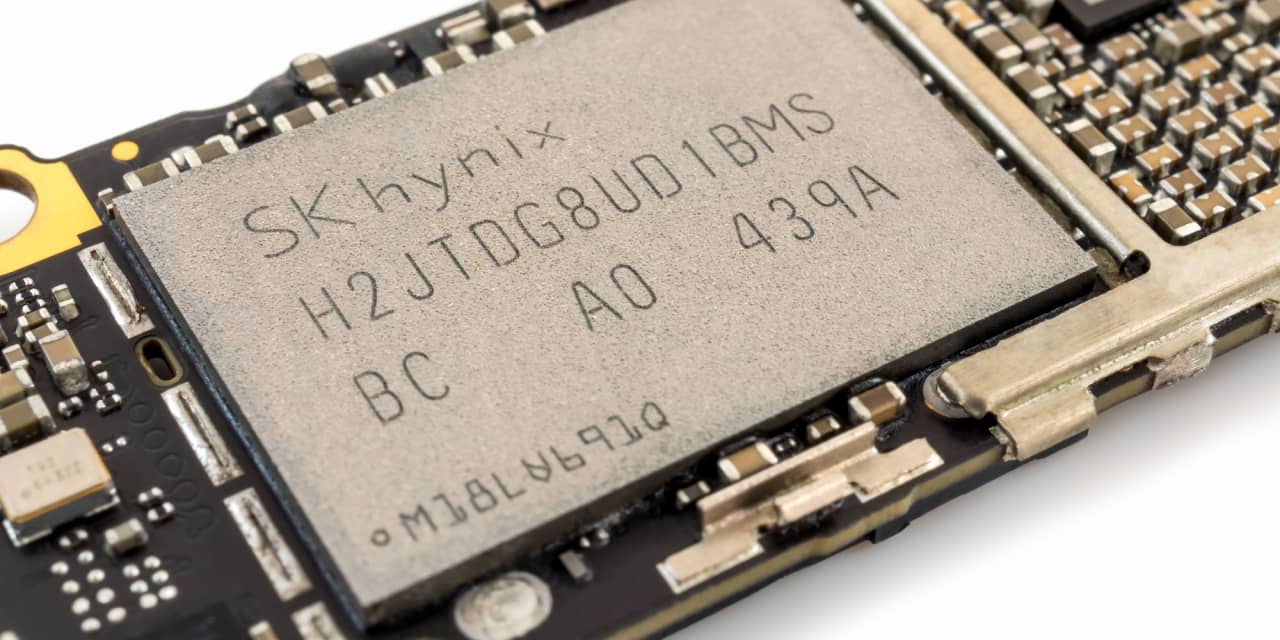
SK Hynix’s U.S.-listed shares are still carrying a fat price tag over the company’s stock in Seoul, and a Korean regulatory decision means the gap may not be easy to close.
MarketWatch reported that the company’s American depositary receipts, traded on Nasdaq under SKHY, closed Wednesday at $165.27. In Thursday premarket trading, they were indicated about 6.5% higher at roughly $176.
That compares with a Korean closing price of 1.92 million won for SK Hynix’s ordinary shares, according to MarketWatch. On that basis, the U.S. line was trading at a premium of more than 34%.
Conversion window stays tight
The key snag for would-be bargain hunters is supply. The Korea Securities Depositary said Wednesday that only 2.5% of SK Hynix shares are available for conversion into ADRs, according to MarketWatch.
That quota matched the size of SK Hynix’s new U.S. listing on July 10. MarketWatch reported that the offering was oversubscribed several times, leaving overseas demand only partly filled.
Ordinary shares can become new ADRs only if existing ADR holders convert their receipts back into local shares, creating capacity. MarketWatch noted that the current premium gives holders little incentive to do that.
The result is a market where the usual arbitrage trade, buying the cheaper local shares and converting them into the dearer U.S. receipts, is effectively blocked by the conversion limit.
Why investors pay up
MarketWatch pointed to several reasons international investors may prefer the U.S. listing: easier dealing, lower commissions, concerns over counterparties, U.S. trading hours, liquidity, and the simplicity of buying in dollars rather than Korean won.
The size of the gap remains striking. MarketWatch said a 34% premium is high, though other depositary receipts have traded above their local shares before.
The report cited Taiwan Semiconductor Manufacturing Co. as the closest example. Its ADRs have carried a premium over the company’s Taiwan-listed shares for much of their three decades on the New York Stock Exchange, with the range moving from 2% to 100%, according to MarketWatch.
Depositary receipts from India, Argentina and Russia have also traded at premiums of varying size, MarketWatch reported.
Chips, ETFs and the won
With arbitrage blocked, sentiment may do more of the work. MarketWatch said the spread could be shaped by investor appetite for emerging markets and by U.S. investors’ use of exchange-traded funds.
Semiconductor demand is another piece of the story. MarketWatch linked the premium to strong interest in chip shares, reflected in the record-setting rally in the Philadelphia Semiconductor Index.
Samsung Electronics could also matter. MarketWatch reported that a U.S. listing by SK Hynix’s main peer has been rumored, and said such a move could pull some demand away from SK Hynix ADRs if it happened.
The currency market adds another moving part. MarketWatch reported that the Korean won has been weak in recent years despite the country’s current-account surplus, though the won has strengthened modestly after the Bank of Korea raised interest rates.
A stronger won would reduce the ADR premium if other factors did not change, according to MarketWatch. The next scheduled event for investors is SK Hynix’s second-quarter earnings announcement on July 29.
This story draws on original reporting from MarketWatch.