SpaceX’s post-IPO slide gives hot-stock hunters a colder lesson
A MarketWatch column says SpaceX’s drop below its IPO price shows why investors should read the fine print before chasing hyped listings.
By Frankie Delgado · News Reporter
3 min read
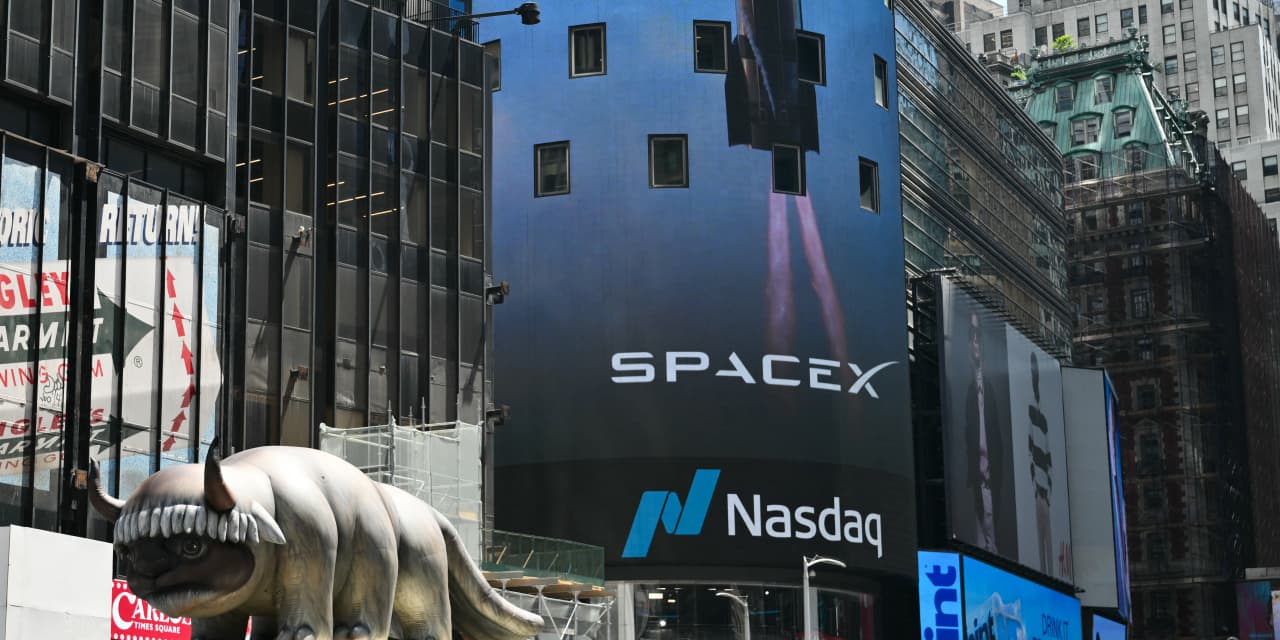
SpaceX shares are now trading below their IPO price, turning one of the market’s most coveted private-company tickets into a test of investor nerve.
In a MarketWatch opinion column published July 20, Matthew Fleissig, co-founder and chief executive of wealth adviser Pathstone, said the reversal has changed the question for investors. Before the listing, some were hunting for exposure through venture funds, former employees, secondary markets, co-investments and custodians, according to Fleissig. Now that the stock is public and lower than its debut price, buyers are weighing whether the pullback is an opportunity or a warning.
Fleissig framed the SpaceX move as part of a familiar cycle in markets: big companies in new industries attract fierce demand, but not every famous name becomes a long-term winner.
He pointed to Alphabet’s Google, which went public at $85 a share in August 2004, as one example of a company that looked expensive to skeptics at the time and later became a defining technology business. He also cited Amazon, Nvidia, IBM, Apple and Microsoft as companies that rewarded long-term owners through major growth periods.
But Fleissig also highlighted the other side of the ledger. Sun Microsystems, once a major internet-infrastructure company and creator of Java, reached a valuation of $200 billion at its peak before Oracle later bought the company for $7.4 billion, he wrote. Lucent Technologies, described by Fleissig as a celebrated Bell Labs company, saw its stock fall 99% after the dot-com bubble burst.
The point, Fleissig argued, is that fame and business quality can be very different things once public-market scrutiny arrives.
AI listings are next in line
Fleissig said the same debate is building around private AI and technology companies such as Anthropic, OpenAI, Stripe and Databricks. Anthropic and OpenAI are expected to go public, according to the column, and investor excitement around them is already intense.
One reason the stakes are higher, Fleissig wrote, is that companies are remaining private for longer. By the time they list, he said, a large share of early wealth creation may already have happened away from ordinary public-market investors.
He also cited data from Dimensional indicating that many IPOs underperform the wider market for as long as 2½ years. Fleissig attributed that weakness to fading early excitement and more stock becoming available as insiders sell.
For upcoming AI listings, Fleissig said investors should pay close attention to governance, valuations and the gap between a company’s story and its profits. He said those issues could be especially relevant for Anthropic and OpenAI.
The fine print fight
Fleissig did not argue that investors should avoid SpaceX or future AI IPOs. His view is more measured: investors who believe a company can grow much larger may care less about a perfect entry price than about owning it for the long haul.
Still, he warned that SpaceX’s post-IPO volatility shows what can happen after the frenzy cools. According to the column, index-fund buying, expiring lockups and additional shares coming into the market can all affect trading after a high-profile debut.
The takeaway from Fleissig is blunt enough for the next hot listing: excitement can get investors in the door, but the prospectus still matters.
This story draws on original reporting from MarketWatch.