SpaceX stock new low follows strong Starship Flight 13
SpaceX shares slid after Starship hit most test goals, with earnings and a coming insider-share unlock adding pressure.
By Frankie Delgado · News Reporter
3 min read
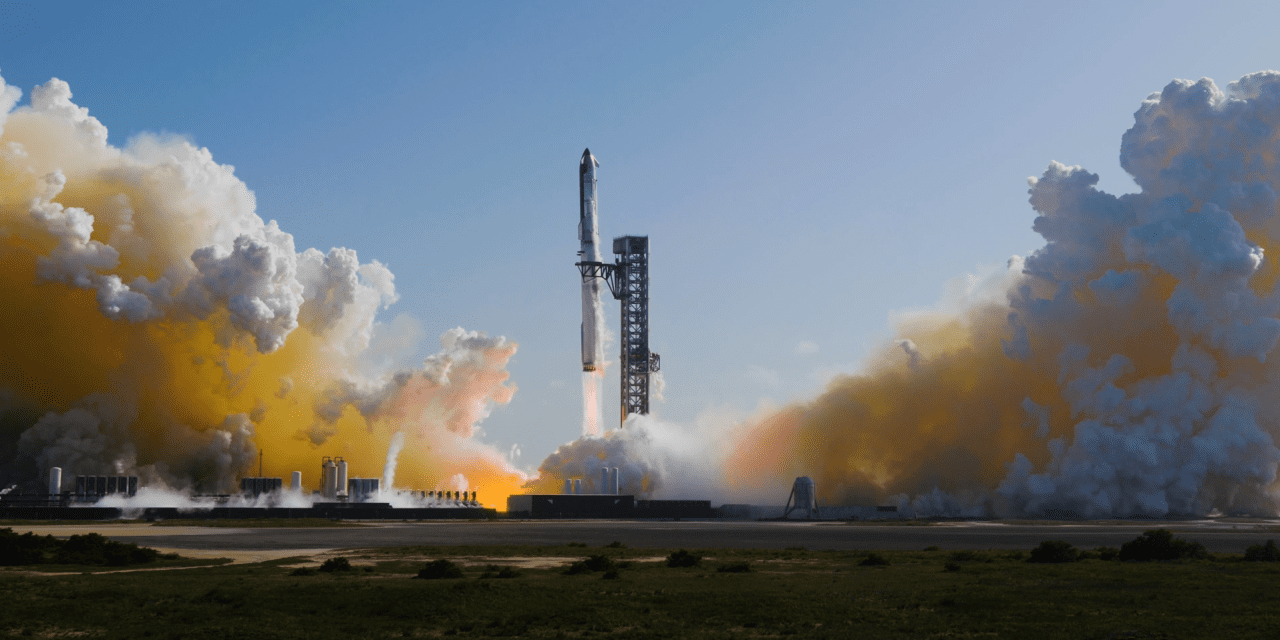
SpaceX stock hit a new low Monday even after the company said its latest Starship test flight completed all major goals, keeping pressure on Elon Musk’s newly public space company.
MarketWatch reported that shares fell as much as 4% Monday, while SpaceX bonds were also under pressure. The company’s market value has dropped by more than $1 trillion since its June 16 high, according to the report.
The slide came after SpaceX launched Starship for the 13th time Friday from Starbase, Texas. The mission had been delayed by roughly a week and was the second flight using the third-generation Starship and Super Heavy vehicles, according to SpaceX.
Why is SpaceX stock falling after Starship Flight 13?
The launch was widely described as a technical win, but investors still face two near-term worries: SpaceX reports second-quarter earnings on Aug. 4, and a large block of insider shares may become eligible for sale two days later.
A lockup is a post-IPO restriction that keeps insiders from selling shares for a set period. MarketWatch reported that as much as 37% of insider shares covered by a 180-day lockup schedule could be released next month, with a first tranche of up to 911.5 million shares potentially freed on Aug. 6.
Shares held by Musk and certain other insiders, representing more than 63% of pre-IPO outstanding shares, are under a longer lockup, according to the report.
What SpaceX says Starship achieved
SpaceX said Flight 13 completed all major objectives. The company deployed 20 Starlink V3 satellites, which briefly communicated with its existing satellite network before burning up.
The company also reignited one Raptor engine in space, and Starship’s upper stage performed a soft splashdown in the Indian Ocean. Musk wrote on X that the flight delivered all the heat-shield data SpaceX needed, plus more.
KeyBanc analyst Michael Leshock said in a Sunday note that the test came close to perfection and could set up a pad catch attempt on the next Starship flight. Such a catch would be a major step toward full reusability and a faster launch schedule, he said.
The booster still had a problem
Bernstein analysts, who were described by MarketWatch as bullish, flagged one important issue. SpaceX said the Super Heavy booster completed the high-thrust part of a boost-back burn using all 33 Raptor 3 engines, but the burn ended early.
When the booster later tried to relight 13 engines for landing, only some restarted, leading to a hard splashdown in the Gulf of Mexico, according to SpaceX.
Bernstein analyst Douglas Harned told clients the vehicle was not ready for a landing on the launch pad. He said the rest of the booster’s operation appeared successful, but the landing was not.
Harned said Starship is central to the valuation hopes some Wall Street analysts have for SpaceX. A fully reusable Starship could help the company expand Starlink and support future plans such as orbital data centers, he said.
Tesla pressure adds another Musk-market wrinkle
Tesla shares also slipped Monday by more than 1% after the company reported earnings the previous week. MarketWatch reported that investors appeared concerned by Tesla’s spending plans and cautious commentary around its artificial-intelligence efforts.
Tesla stock is down more than 30% this year and has given back its gains from the past 12 months, according to the report.
On Tesla’s earnings call, Musk was asked about a possible Tesla-SpaceX merger. He pointed to overlap and collaboration between the two companies, then said he could not discuss corporate combinations on an earnings call before Tesla’s general counsel stepped in.
This story draws on original reporting from MarketWatch.