Tap-to-pay scams put retailers in the fraud ring crosshairs
Police told CNBC that Chinese organized crime groups are using stolen cards, gift cards and retail apps in schemes worth up to $1 billion a year.
By Sal Moretti · Money Reporter
4 min read
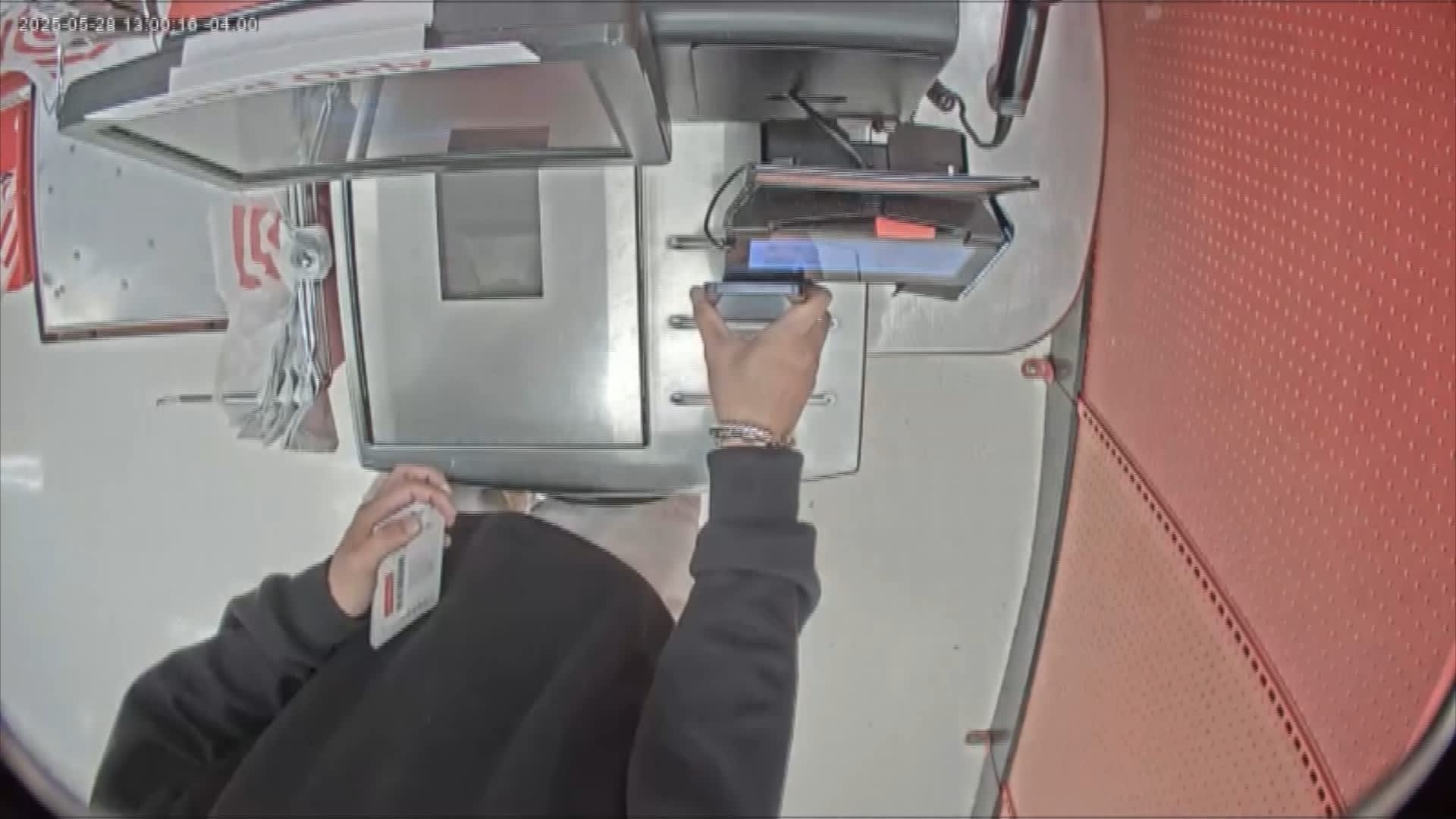
A man at a Louisiana Lowe’s spent about seven minutes buying $95 gift cards at self-checkout with his phone, while a store worker nearby saw what looked like an ordinary shopping trip, according to surveillance video described by CNBC.
Police told CNBC they believe the man was part of a Chinese organized crime operation using stolen credit card details through tap-to-pay. Adam Parks, an assistant special agent in charge with U.S. Homeland Security Investigations, said a Southeast Asian scam compound was coaching the suspect through wireless headphones during the transactions.
Parks said the suspect later bought more gift cards at other retailers and returned to the same Lowe’s that day. He has not been arrested and remains a suspect, CNBC reported. Lowe’s did not respond to CNBC’s requests for comment.
Law enforcement officials told CNBC that digital retail fraud, including tap-to-pay schemes and retail app account takeovers, is becoming a major new front in organized retail crime. Police said Chinese gangs may make as much as $1 billion a year from the activity.
How the scheme works
The scams often begin with mass text messages about unpaid tolls, expiring vehicle registrations or pending arrests, according to experts cited by CNBC. The messages are designed to pressure people into giving up credit card numbers, email logins or other personal information.
Jeff Otto, chief marketing officer of fraud prevention company Riskified, told CNBC that if criminals obtain both a credit card and access to a victim’s email, they can often add the card to a device they control. If a bank sends a verification code by email, the fraudster may see it before the victim notices, Otto said.
From there, fraudsters can use mobile wallets to buy gift cards or merchandise. Parks said organized groups use gift cards to purchase high-value goods, including U.S.-configured iPhones, that can be resold in China. He said the method helps criminal groups move money while avoiding banking restrictions in the U.S. and China.
CNBC reported that some low-level participants operate on their own, while larger networks use people inside the U.S. as “foot soldiers.” Parks said some people who entered the country illegally owe debts to smugglers or organized crime groups and are then directed to help convert stolen card data into goods.
Retail apps become targets
Retail apps are also part of the problem, CNBC reported. Criminals can use stolen account credentials to access stored payment cards, personal information and, in some cases, store-branded credit accounts.
CNBC said it saw Walmart app and website logins for sale on Telegram channels for $1.50 to $2.50, with sellers noting how old the accounts were. Telegram did not respond to CNBC’s request for comment.
Walmart told CNBC that customer privacy and safety are a priority, that it has systems to detect and respond to unauthorized account access, and that full payment card information is not stored in an unprotected form.
Otto said retail platforms often emphasize convenience and sales, and therefore may not use the same security standards as banking apps.
Arrests and investigations
CNBC reviewed about a dozen criminal cases around the country involving retailers including Lowe’s, Target, Walmart and TJX Companies.
In Miami, police arrested Dancliff Labady in January and accused him of stealing nearly $95,000, mainly through TJX store-branded credit cards for TJ Maxx, Marshalls and HomeGoods, according to a police report cited by CNBC. Labady has pleaded not guilty, and his attorney declined to comment to CNBC.
TJX told CNBC that protecting customer information and technology systems is very important and said it has measures meant to identify and address suspected fraudulent account activity. Synchrony Bank, the card issuer, said it does not comment on ongoing investigations and is cooperating with law enforcement.
In Tennessee, the Knox County Sheriff’s Office has arrested more than a dozen suspects since spring 2025 in cases officials said involved alleged ties to Chinese organized crime. Capt. Matt Lawson told CNBC that investigators found apps on seized phones that looked like anime-style games but contained stolen card information for tap-to-pay fraud.
Homeland Security Investigations said its Project Red Hook, aimed at gift card fraud and digital retail crime, has led to at least 239 arrests since January 2024. Retailers and law enforcement groups are also backing the Combating Organized Retail Crime Act, which passed the House in May and was added to a Senate defense bill amendment, CNBC reported.
This story draws on original reporting from CNBC.