Treasury yields cool as Fed hike fears ease and chip stocks slide
Short-term Treasury yields pulled back after cooler inflation data, even as oil jumped and AI-linked chip stocks came under pressure.
By Sal Moretti · Money Reporter
3 min read
The bond market is dialing down its fear of another Federal Reserve rate hike, even with oil prices climbing and the Iran conflict flaring again.
The 2-year Treasury yield, closely watched because it tends to track expectations for Fed policy, stood at 4.17% on Friday after reaching about 4.29% earlier in the week, according to FactSet. That remains above the Fed’s current policy-rate ceiling of 3.75%, suggesting investors have not ruled out another increase, but the pressure has eased.
MarketWatch reported that the pullback followed inflation data showing the annual consumer-price index cooled to 3.5% in June from 4.2% the previous month. Lower gasoline prices helped drive the move toward the Fed’s 2% inflation goal.
Vincent Ahn, president and portfolio manager at SLW Investments, told MarketWatch the drop in 2-year yields reflected the fading of a war-related premium that had built up earlier in the spring. He said the Fed has limited power over supply-driven inflation, adding that policymakers cannot raise rates in a way that produces more oil for the global economy.
Brent crude moved back above $86 a barrel after gaining about 14% this week, according to MarketWatch. Prices had climbed above $110 earlier in the conflict. The latest oil rise came as U.S. military strikes against Iran resumed, raising the risk that recent relief at the pump may not last.
Oil and yields split paths
Earlier in the conflict, Treasury yields and oil prices had often moved in the same direction, according to MarketWatch. That pattern began to weaken in June after Fed Chairman Kevin Warsh’s first press briefing as head of the central bank, where he pledged to bring inflation back to 2%.
A June ceasefire agreement between the U.S. and Iran briefly allowed more Persian Gulf oil to pass through the Strait of Hormuz. Since then, traffic has fallen to a three-week low, according to MarineTraffic.
MarineTraffic said confirmed crossings through the monitored Strait of Hormuz zone dropped to eight on July 16 from 15 a day earlier. Seven of those eight transits used the Iranian route, according to the shipping-data firm.
Ahn described the June inflation data to MarketWatch as a “one month grace period, not a get out of a jail card,” warning that a longer conflict could make the inflation picture harder to contain.
Luis Alvarado, co-head of global fixed-income strategy at the Wells Fargo Investment Institute, told MarketWatch the current yield levels fit with a Fed that is likely to stay on hold while keeping room to act if needed. He said that is also Wells Fargo’s view.
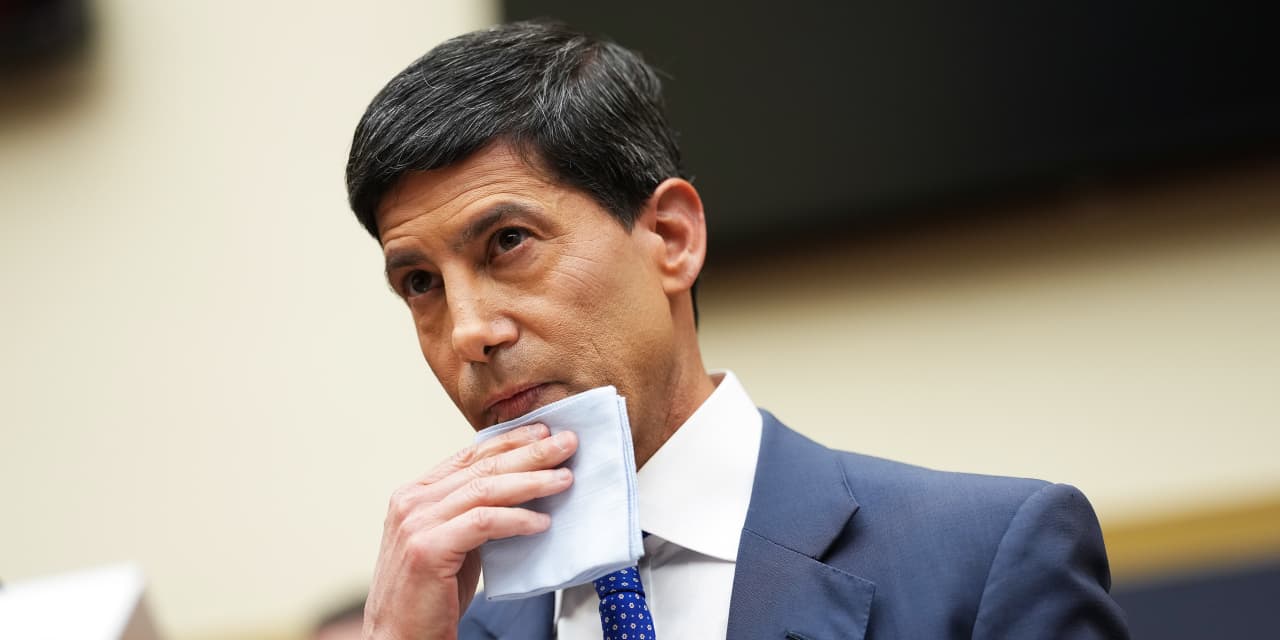
Warsh kept up a tough inflation message in testimony to Congress this week, telling lawmakers the Fed has “no tolerance” for inflation that remains persistently high.
Chip selloff boosts bond demand
The 10-year Treasury yield also retreated, falling to 4.54% on Friday from a weekly high of 4.64%, according to FactSet. Alvarado linked that move to weakness in stocks, especially companies tied to hyperscalers, chip makers and artificial intelligence.
The PHLX Semiconductor Index was on track Friday to enter a bear market, defined as a fall of at least 20% from a previous high, according to MarketWatch. The S&P 500, Dow Jones Industrial Average and Nasdaq Composite were all heading for weekly losses.
Alvarado said attention had been on strong bank earnings earlier in the week before the market mood shifted quickly toward the chip and AI trade.
This story draws on original reporting from MarketWatch.