Trump readies tariff reboot as 150-day levy clock runs down
Analysts expect the White House to use Section 301 to preserve broad import taxes, with USTR Jamieson Greer signaling action soon.
By Frankie Delgado · News Reporter
3 min read
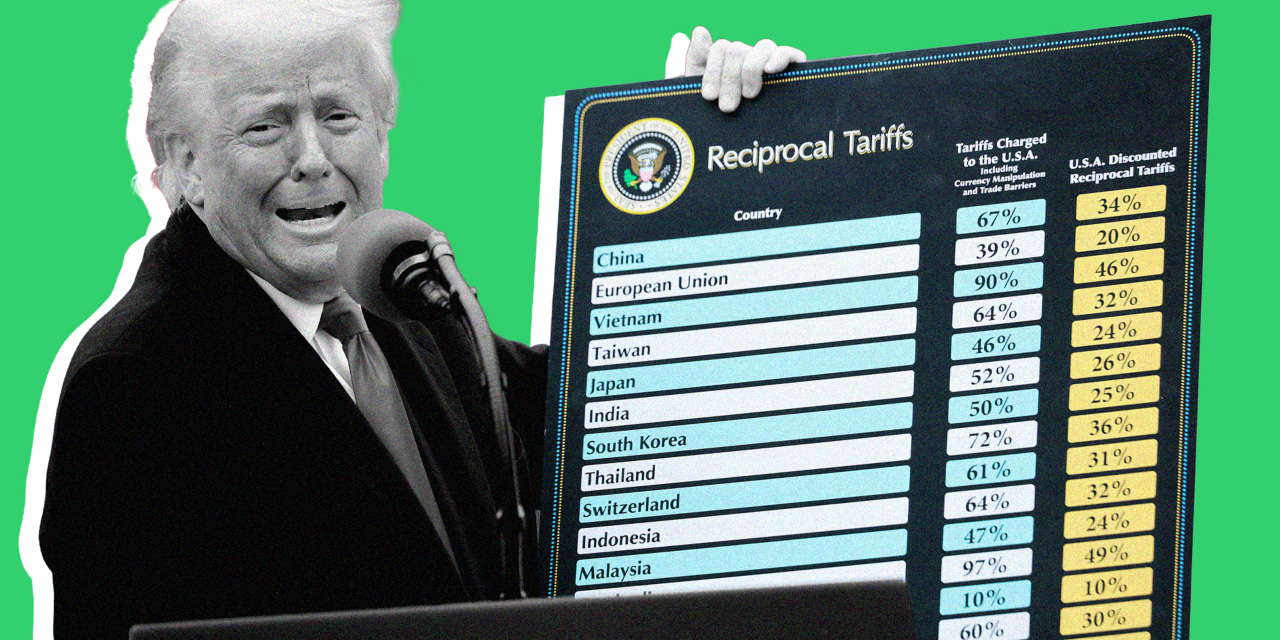
President Donald Trump’s latest tariff clock is about to hit zero, and trade analysts say the White House is preparing a new legal route to keep broad import taxes in place.
MarketWatch reported that Trump used Section 122 of the Trade Act of 1974 in February to impose a 10% worldwide tariff for 150 days. That move followed a Supreme Court ruling against his use of the International Emergency Economic Powers Act for the levies, according to the report.
The 150-day window is set to expire Friday. Analysts cited by MarketWatch expect the administration to turn to Section 301 of the Trade Act of 1974, most likely relying on an investigation that wrapped up last month.
Mary Lovely, an economist and senior fellow at the Peterson Institute for International Economics, told MarketWatch the effort appears designed to get Trump close to the “liberation day” tariffs he proposed on April 2, 2025. Those proposed duties roiled stocks at the time, according to MarketWatch.
Forced labor probe may be the new hook
U.S. Trade Representative Jamieson Greer recommended tariffs of 10% to 12.5% on 60 trading partners after the Section 301 investigation, according to a USTR announcement cited by MarketWatch. The agency said the countries had failed to impose and enforce bans on goods made with forced labor.
Greer signaled Tuesday in a CNBC interview that action may be close. He said the recommendation covers 60 partners and 99% of U.S. trade, and said it shows the scope of the forced-labor problem.
“We expect to see some action soon,” Greer told CNBC. He said he could not give a timeline because he needed to brief Congress and other stakeholders first. Greer is scheduled to appear Wednesday before the Senate Finance Committee, according to MarketWatch.
Lovely and other analysts cited by MarketWatch were skeptical that the expected tariffs are chiefly about forced labor. Lovely said the argument is likely to look to U.S. allies like a pretext.
Wall Street may wait before flinching
Jennifer Hillman, a Georgetown University law professor and former general counsel for the U.S. trade representative, told MarketWatch that investors may not react sharply to another tariff announcement.
Hillman said markets have reason to be cautious about assuming announced tariffs will take effect as first described. She pointed to past administration moves to exempt products, reach trade deals that lower rates, and the delay before tariffs affect importers because companies often build inventories ahead of time.
The expected action would come after the administration announced new tariffs against Canada on Monday, according to MarketWatch. Officials said they were using Section 338 of the Tariff Act of 1930 to place 50% tariffs, taking effect in 30 days, on certain Canadian goods. The administration framed that step as a response to what it views as discriminatory Canadian trade practices against some U.S. industries.
Hillman and Lovely told MarketWatch they do not expect Section 338 to be used again this week. They also said they do not expect a separate Section 301 investigation tied to excess capacity to be the basis for the coming move.
If the administration uses the forced-labor Section 301 case, Hillman said importers may sue. She told MarketWatch potential challenges could argue that officials stretched the statute too far and failed to properly examine forced-labor practices country by country.
This story draws on original reporting from MarketWatch.