Trump tariffs rates set at 10% and 12.5% in new trade move
The Trump administration set new tariffs of 10% and 12.5% under Section 301 as a prior 150-day global levy nears expiration.
By Frankie Delgado · News Reporter
2 min read
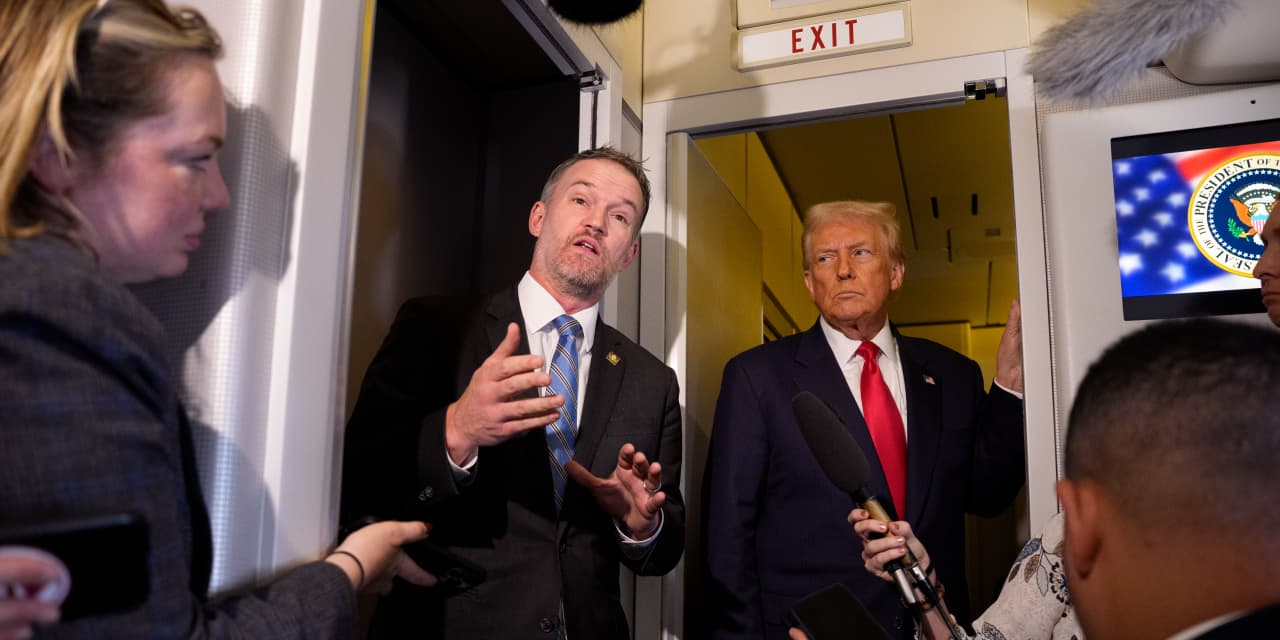
The latest Trump tariffs rates are now 10% and 12.5% for affected trading partners, after the administration said Thursday it would use Section 301 of the Trade Act of 1974 to keep elevated import taxes in place.
The office of U.S. Trade Representative Jamieson Greer announced the levies as President Donald Trump’s earlier tariff tool was about to run out. That prior move, a 10% global tariff imposed under Section 122 of the Trade Act of 1974, was put in place in February for 150 days.
That 150-day period ends Friday, according to MarketWatch. The administration had been expected to shift to Section 301 as the next legal basis for the tariffs.
What are the latest Trump tariff rates?
The administration announced a 10% tariff for economies that have bans on forced labor, according to the U.S. Trade Representative’s office. It also announced a 12.5% tariff for economies that have not adopted those prohibitions.
The rates follow a Section 301 investigation by Greer’s office, which MarketWatch reported was completed last month. USTR accused 60 trading partners of failing to stop imports of goods made with forced labor.
USTR had recommended tariffs in the 10% to 12.5% range for those trading partners, according to the agency’s earlier announcement cited by MarketWatch.
Why is Section 301 being used?
Section 301 is the part of the Trade Act of 1974 the administration is using after the USTR investigation into forced-labor import rules. In this case, it gives the administration a fresh legal route for import taxes after other tariff authorities came under pressure.
Trump had previously used the International Emergency Economic Powers Act to levy import taxes, but the Supreme Court ruled against that use, according to MarketWatch. Soon after, the administration turned to Section 122 for the 150-day global tariff.
With Section 122’s clock almost expired, the Section 301 action keeps tariffs on scores of trading partners rather than letting the broader 10% levy lapse at the end of its set period.
What is the forced-labor issue?
Forced labor refers to work performed under coercion, and the USTR action centers on whether governments block goods made under those conditions from entering their markets. Greer’s office says the targeted trading partners failed to prevent those imports.
MarketWatch reported that analysts have questioned whether the tariffs are needed to address forced labor, with some viewing that concern as a pretext for maintaining the import taxes.
The administration’s announcement puts the new rates in place as its tariff strategy shifts again, from emergency powers to a time-limited global levy and now to Section 301 findings tied to forced-labor import bans.
This story draws on original reporting from MarketWatch.