Unexpected medical bill? Why experts say to check before paying
A MarketWatch editor’s $1,022 bill shows why patients should compare provider charges with insurance records before paying.
By Frankie Delgado · News Reporter
3 min read
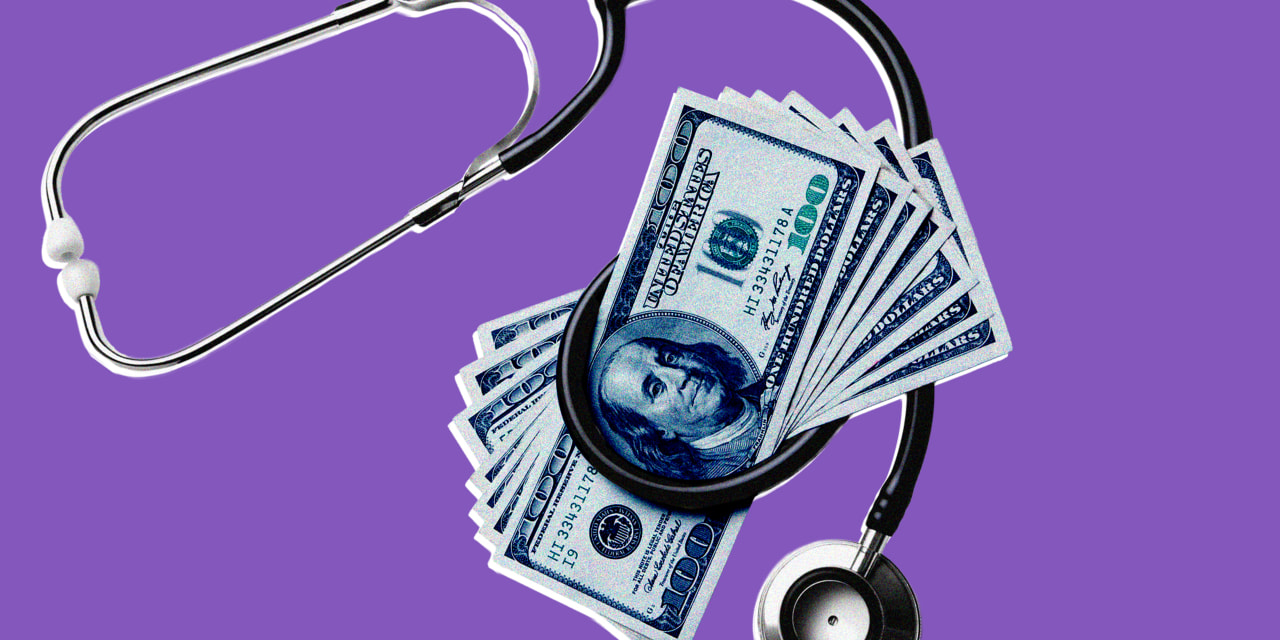
An unexpected medical bill for $1,022 landed after what MarketWatch editor Kat Borgerding described as a routine cardiology checkup, and she says she is holding off on payment while the charge gets reviewed.
Borgerding wrote in MarketWatch’s Don’t Short Yourself newsletter that she was born with a heart defect and sees a cardiologist each year. The related tests are usually covered by her insurance, she said, but this year’s bill arrived after she moved to a different state and found a new provider.
After checking with a health-insurance advocate, Borgerding said she learned the apparent reason for the charge: the test was done at a hospital instead of an office, where she would typically go. She then asked her doctor’s office for more clarity and requested that the hospital billing department review how the claim was sent to her insurer.
What should I do about an unexpected medical bill?
Patricia Kelmar, senior director of healthcare campaigns at the consumer group PIRG, told MarketWatch that patients should “never pay the first bill” until they understand what they are being charged for and what their insurer says they owe.
Kelmar said a provider may send a bill before the insurer has finished processing the claim. She also said bills can include coding problems, repeated charges or costs that should have been covered.
The key document to check is the explanation of benefits, often called an EOB. It is not a bill; it is the insurer’s record of how the claim was handled, what insurance paid and what the patient may owe, according to MarketWatch.
Ask for an itemized bill and review each line for services, tests and charges.
Compare the provider’s bill with the insurer’s explanation of benefits.
If the amounts do not match, ask the provider where the charge came from and why it differs from the insurer’s figure.
How big is the medical debt problem?
MarketWatch cited a 2024 analysis of U.S. Census Bureau Survey of Income and Program Participation data that found people in the U.S. owe at least $220 billion in medical debt. The analysis found about 14 million people each owe more than $1,000.
MarketWatch also reported that one in five Americans receives a surprise medical bill after elective surgery.
Can a medical bill be disputed or lowered?
Kelmar told MarketWatch that patients can try to clear up disputes by setting up a three-way call with the healthcare provider and insurer. She said that can help correct billing mistakes and resolve confusion.
She also suggested asking an employer’s human-resources advocate for help, if one is available, because that person may be able to raise the issue with the insurer or negotiate.
Patients can ask providers whether they offer a discount, an interest-free payment plan or a lower price for paying an agreed amount in one payment, Kelmar said. She also advised confirming that the provider will reduce the balance to zero after receiving a negotiated payment.
How can patients avoid surprise charges?
Kelmar told MarketWatch that patients should be precise when checking whether a provider is covered. Instead of asking whether a provider takes insurance, she recommended asking whether the provider is in the patient’s insurance network.
MarketWatch also advised finding in-network urgent-care options before they are needed, including before travel. Kelmar said patients should understand ambulance coverage in advance because emergency rides carry a high risk of being out of network, though some states, including California and New York, offer surprise-bill protections to some people.
For Borgerding, the bill is still awaiting a final answer. She wrote that the review may take weeks and may not change the amount, but it has already shown her what caused the charge and what to ask before scheduling the same test next year.
This story draws on original reporting from MarketWatch.