Vet bills climb as clinics see fewer pets, Morgan Stanley survey finds
A Morgan Stanley poll of 75 U.S. veterinarians found visits slipping while sales rose on price hikes, raising concerns about affordability and pet ownership.
By Frankie Delgado · News Reporter
3 min read
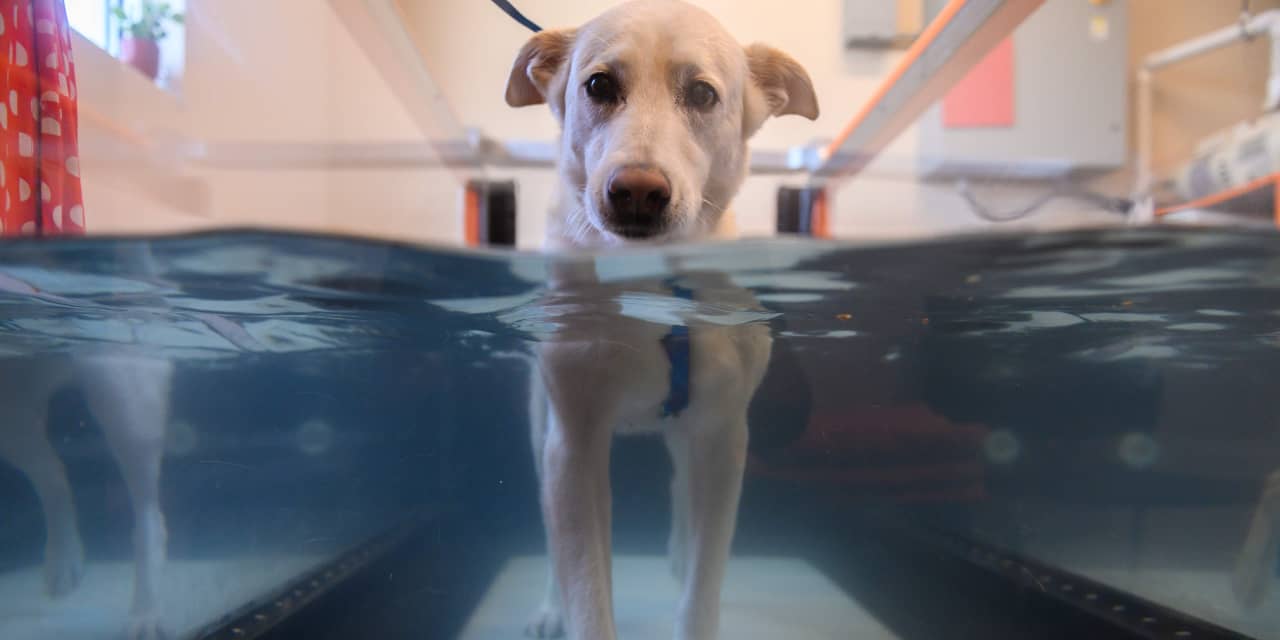
Veterinary clinics are bringing in slightly more money while seeing fewer animals, a mix Morgan Stanley analysts warned may be hard to keep going as pet care costs climb.
The firm’s survey of 75 U.S. veterinarians found patient visits fell 1.9% in the second quarter from a year earlier. That was a little steeper than the 1.8% decline reported for the first quarter, according to Morgan Stanley.
Sales still rose 0.3%, but the analysts said that gain came largely from higher prices. They described that pattern as “not a sustainable algorithm,” with clinics relying on bigger bills while appointment counts weaken.
The survey also flagged a newer worry for the industry: fewer pets. Morgan Stanley said 13% of the veterinarians surveyed listed a declining pet population as a concern, a share that had risen from prior surveys and appeared meaningfully for the first time.
Pet owners are feeling the squeeze
Veterinarians told Morgan Stanley that demand for care remains solid, and some said more customers are using pet insurance to pay for treatment. One respondent said millennial and Gen Z pet owners were spending more on their animals than older customers.
Other respondents said affordability is becoming harder to ignore, especially as corporate consolidation and private-equity ownership have changed pricing across the business.
“We are outpricing ourselves and people have to choose feeding themselves/their family vs. taking their pet to the vet,” one veterinarian told Morgan Stanley.
Another respondent put it more bluntly: “Owning a pet has become a luxury.”
The survey found some owners are delaying treatment, which can leave veterinarians dealing with more serious cases by the time animals arrive. Respondents also said some customers are spending less at general practices so they can preserve money for specialist care.
Morgan Stanley analysts said staffing remains an issue at many clinics. They also found veterinarians are moving more toward lower-cost generic medications.
Pet stocks stay under pressure
The findings land as several publicly traded pet-care companies face investor skepticism. MarketWatch reported that Chewy shares were down 42% over the past year, while Petco Health & Wellness shares were down 38%.
Those companies have been trying to sell more premium products and services, aiming at customers willing and able to spend more even as other shoppers pull back.
Chewy said in March that it expects pet ownership to keep growing despite inflation concerns. Petco said that month it planned to expand sales of fresh food, move faster with store-brand products, grow its hospital business and offer more kinds of pets in stores. Petco management cited tarantulas as a newer U.S. pet trend.
Veterinary ownership has also shifted. BofA analysts said last year, citing KPMG, that private-equity firms owned about 30% of U.S. veterinary clinics, while corporations owned another 20%.
BofA analysts also said at the time that animals adopted during the pandemic boom were getting older, a trend that could increase demand for services from companies such as Chewy, which has been opening more veterinary clinics.
Prescription sales face new rivals
Morgan Stanley said larger players including Chewy, Petco, Walmart and PetMed Express have expanded their pet-prescription businesses, adding pressure on independent veterinary clinics.
The veterinarians surveyed said 11% of their prescriptions were filled through Chewy, while PetMed and Vetsource accounted for smaller shares, according to Morgan Stanley.
The analysts said changes accelerated by the pandemic, along with newer online pharmacy models and manufacturer relationships, are likely to keep weighing on traditional drug sales inside veterinary practices over time.
This story draws on original reporting from MarketWatch.