Wall Street landlords put more rental homes on the block
Institutional landlords are listing more homes for sale after a new law barred many from buying additional single-family rentals.
By Sal Moretti · Money Reporter
3 min read
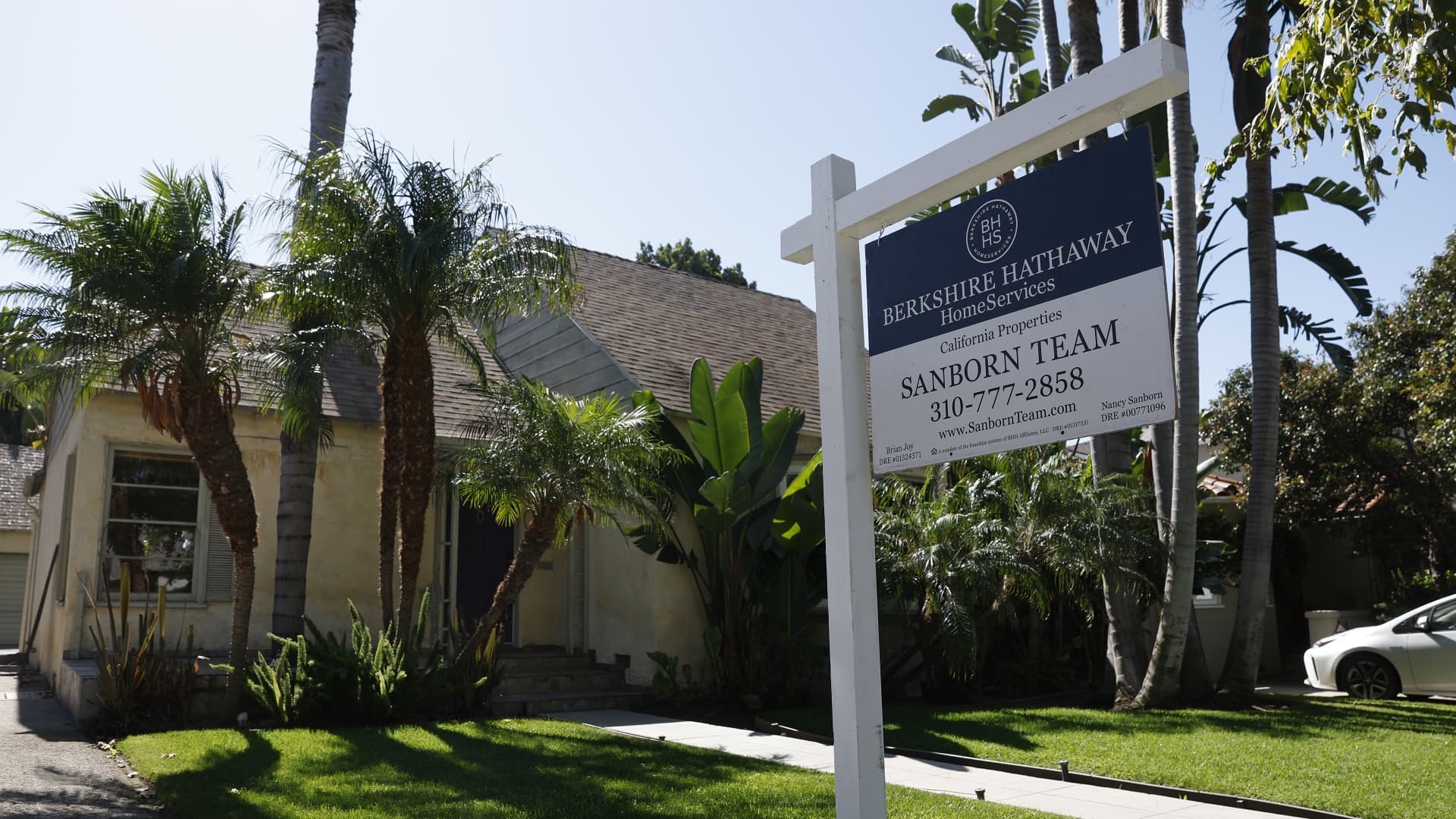
Big rental-home owners are putting up more for-sale signs as a new federal housing law cuts off much of their ability to buy more single-family houses.
Homes owned by institutional investors and listed for sale have more than doubled since Feb. 1, according to an analysis by real estate data firm Parcl Labs reported by CNBC’s Property Play. The count rose from 4,166 listings when Parcl began its full research to 9,447 homes this month, with a combined asking price of $3.1 billion.
Jason Lewris, co-founder of Parcl Labs, told CNBC the speed of the change in listings is worth watching, though he said completed sales may take months because housing transactions move slowly.
The new buying wall
The shift follows newly enacted housing legislation that bars institutional investors from purchasing additional single-family rental homes, unless the deals fit certain exceptions. Those carve-outs include build-to-rent projects.
The law defines an institutional investor as an owner with 350 or more homes, CNBC reported. That threshold surprised the industry, which had more commonly treated 1,000 homes as the dividing line. The measure does not require investors to sell homes they already own.
Lawmakers pushing the restrictions argued that large investors, often able to pay in cash, were helping drive up home prices and making it harder for would-be owner-occupants to compete. CNBC reported that support for a ban came from both parties.
Large investors became a bigger force in single-family housing after the 2008 financial crisis, when foreclosures surged and bulk home auctions appeared in markets including Atlanta, Las Vegas and Phoenix. Private equity firms bought thousands of properties and turned them into rentals, helping create a major single-family rental investment business.
Big landlords are selling more than they buy
Investors covered by the 350-home threshold own about 589,000 homes, or 3.9% of the roughly 14 million single-family rental homes in the United States, according to Parcl Labs. The firm said that group accounts for about 40% of net selling so far this year.
The biggest landlords named by CNBC, Progress Residential, Invitation Homes, AMH, Tricon, FirstKey, Amherst and VineBrook, are all net sellers for the year. Together, they have sold 3,180 more homes than they have bought since Jan. 1, according to Parcl’s analysis.
Those companies still own about 400,000 homes, so the sales do not amount to a broad exit from the business. VineBrook stands out, with nearly 10% of its portfolio on the market: about 1,900 homes carrying a combined asking price of $285 million, according to Parcl.
Invitation Homes has 549 homes listed and AMH has 536, CNBC reported. Progress Residential, the largest landlord in the group, has 143 homes for sale.
Build-to-rent gets the spotlight
Stephen Scherr, co-president of Pretium, the parent of Progress Residential, told CNBC’s “Squawk on the Street” that private capital has a large role in serving Americans who want to rent homes. He said Progress is now focusing on areas allowed under the new law, including build-to-rent, rent-to-renovate and programs meant to help renters become owners.
AMH began building rental homes in 2017 and has developed more than 14,000 homes across 180 communities, according to the company. Invitation Homes bought Atlanta-based homebuilder ResiBuilt at the start of this year.
Chris Nebenzahl, vice president of rental research at John Burns Research and Consulting, wrote in a report that financing for build-to-rent has improved after a forced sale requirement was removed from the legislation.
Parcl Labs also found that investor sellers are cutting prices more often than the broader market. Nationally, 38.7% of current home listings have had price cuts, compared with 54% among institutional single-family rental listings. For investors with more than 350 homes, 54% of listings carry a markdown, according to Parcl.
Lewris said Parcl sees some owners using high home values to sell weaker assets and redirect money toward growth areas such as build-to-rent. He told CNBC the next six to eight weeks will be revealing.
This story draws on original reporting from CNBC.