Abdul El-Sayed’s Michigan primary win gives the left a test, not a takeover
Abdul El-Sayed beat Haley Stevens in Michigan’s Democratic Senate primary, but November will test how far that progressive win travels.
By Deshawn Carter · Sports Writer
3 min read
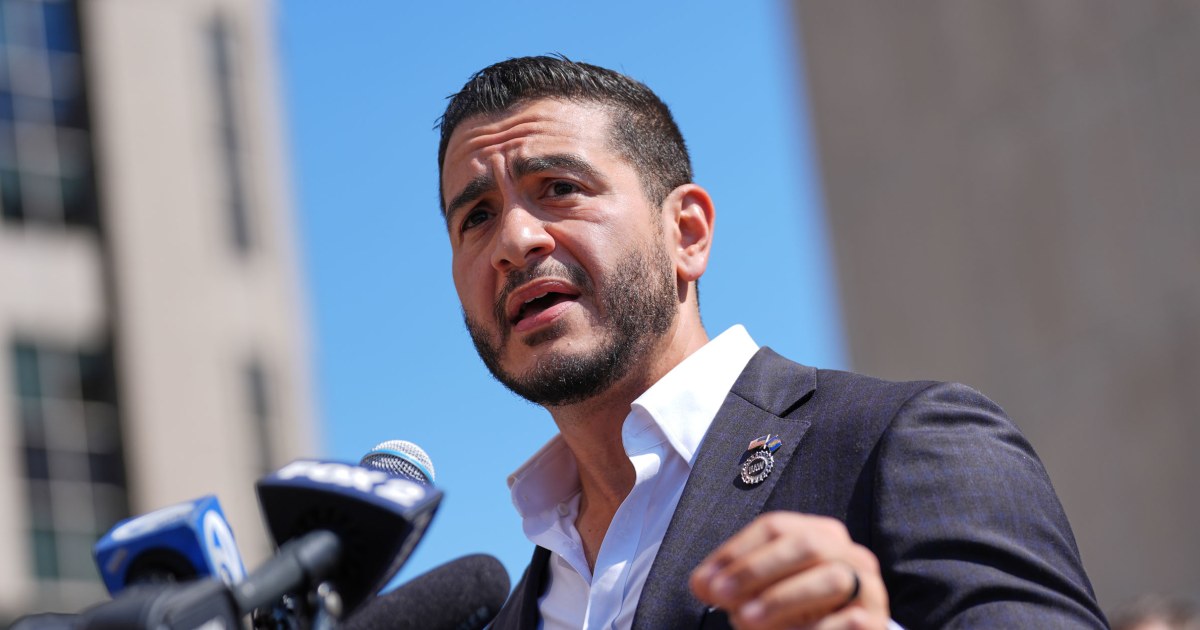
Abdul El-Sayed’s Michigan primary victory has handed progressives a high-profile win in a pivotal state, but it is not a verdict on the whole Democratic Party. El-Sayed defeated Rep. Haley Stevens for the Democratic Senate nomination in an open-seat contest, NBC News and The New York Times reported.
The immediate lesson is clear: a candidate identified with the party’s left flank can beat a prominent House member in a major statewide Democratic primary. The larger lessons, including whether that approach can win a swing-state general election, remain unsettled.
What does Abdul El-Sayed’s Michigan primary win mean?
El-Sayed made Medicare for All a central proposal and criticized Stevens over money spent by pro-Israel donors, according to NBC News. Israel and Gaza, along with pro-Israel-group spending, were also part of the campaign debate, though the available reporting does not establish how much any one issue determined the outcome.
Sen. Bernie Sanders called the result an extraordinary modern political victory. NBC News’ analysis took a narrower view: the race showed a progressive could prevail in this particular contest, but it was still one open-seat primary rather than the removal of an incumbent senator.
That distinction matters. Primaries choose party nominees, while the November election decides who holds the seat. El-Sayed is expected to face former Rep. Mike Rogers in the general election, a race NBC News described as a test of whether a strongly progressive candidate can win a Senate contest in a swing state.
What the result does not settle
The Michigan result does not establish that progressive candidates are sweeping Democratic primaries. On the same night, Rep. Wesley Bell defeated former Rep. Cori Bush in Missouri’s Democratic primary, NBC News reported. Bush, like El-Sayed, had foregrounded her opposition to Israel during her campaign.
Nor does one nomination show that Medicare for All is close to becoming law. NBC News reported that an El-Sayed Senate win would bring the number of backers to 19, fewer than one-third of the number needed to overcome a filibuster. The outlet also reported that Sanders has added a net three co-sponsors in the six years since making the proposal central to his presidential campaign.
The House’s Justice Democrats, described by NBC News as its most consistently progressive bloc, number about a dozen. That is a notable faction, but it is not evidence that the party has completed an ideological overhaul.
Michigan’s primary gives the left a concrete win and Democrats a fresh argument about nomination strategy. November will provide the next piece of evidence. Whatever happens then, the contest is one Senate seat in a party fight that NBC News says is set to continue through 2028 and beyond.
This story draws on original reporting from NBC News.