Abdul El-Sayed challenges the ‘moderate Michigan’ label
The Democratic Senate candidate says Michigan’s Trump votes show anger at the establishment, not a demand for moderation.
By Georgia Hale · Staff Writer
3 min read
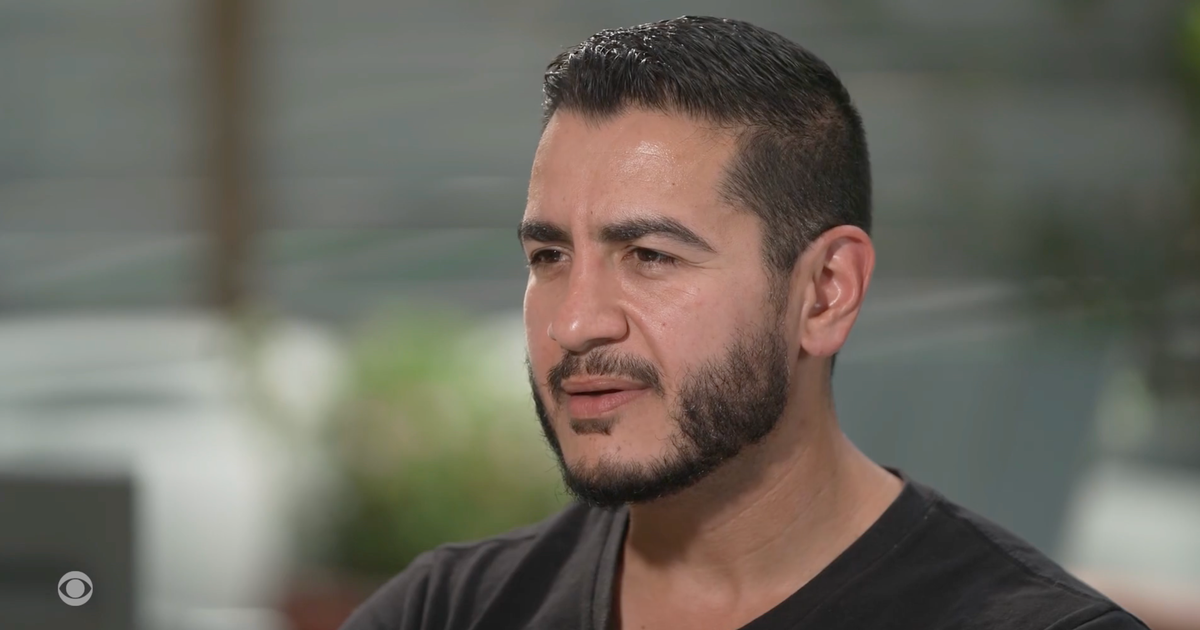
Abdul El-Sayed Michigan voters are not best understood as moderates, the Democratic Senate candidate argued in a CBS News interview in Detroit ahead of Tuesday’s primary. Instead, he said the state’s two votes for Donald Trump may reflect voters’ exhaustion with a political establishment he believes is beholden to corporations.
“It’s always funny to me” to call Michigan a state for moderates after those Trump victories, El-Sayed told CBS News correspondent Ed O’Keefe. His point was a campaign argument about why voters make their choices, not a conclusion established by the state’s election results.
El-Sayed is seeking the Democratic nomination for Michigan’s open U.S. Senate seat against Rep. Haley Stevens, a four-term congresswoman. CBS News described Stevens as a moderate, while NPR reported that the contest has become a test of competing Democratic approaches: establishment versus insurgent, and more moderate versus progressive politics.
Why does Abdul El-Sayed reject the moderate Michigan voter label?
El-Sayed says voters are looking for an alternative to corporate influence, rather than a carefully centrist candidate. He told CBS News that he wants to pull together people focused on keeping money out of politics, union rights, clean air and water, and guaranteed health care.
He also said his coalition could include Trump voters who want health care and more money kept at home. On the campaign trail, El-Sayed has put housing, schools and health care at the center of that pitch.
That message is designed to stretch beyond the labels driving much of the primary fight. El-Sayed told CBS News he does not identify as a member of the Democratic Socialists of America and said he views himself as a capitalist concerned about corporate consolidation and monopoly. CBS reported that the group had not endorsed him, though Sen. Bernie Sanders and other democratic socialists had campaigned for him in Michigan.
A Senate primary with bigger party stakes
NPR reported that El-Sayed has embraced Medicare for All and criticized corporate money in politics, while Stevens has presented a more moderate political brand. CBS News reported that Stevens has support from many establishment Democrats; Sanders and Rep. Alexandria Ocasio-Cortez have backed El-Sayed.
Campaign money is part of El-Sayed’s contrast. He told CBS that he relies on grassroots donations and does not accept PAC money. CBS reported that Stevens has received support from several PACs, including AIPAC.
Recent primary polling reported by The National News Desk pointed to an age divide, though it cannot settle the broader question of Michigan voters’ ideology. The outlet cited Emerson College Polling figures showing El-Sayed ahead among voters under 50, while Stevens led among those over 60. The report excerpt did not include the survey’s sample size, field dates, margin of error or full methodology.
El-Sayed previously ran unsuccessfully for Michigan governor in 2018. NPR reported that he has also served as a health department director for Detroit and later Wayne County.
For now, his central bet is clear: Michigan’s voters may be less interested in conventional ideological labels than in a candidate who gives their economic frustrations a target and a program.
This story draws on original reporting from CBS News.