Aging in Community program helps rural North Dakota seniors stay home
A North Dakota pilot connects isolated rural seniors with neighbors, visits and practical help as the state’s older population grows.
By Sal Moretti · Money Reporter
3 min read
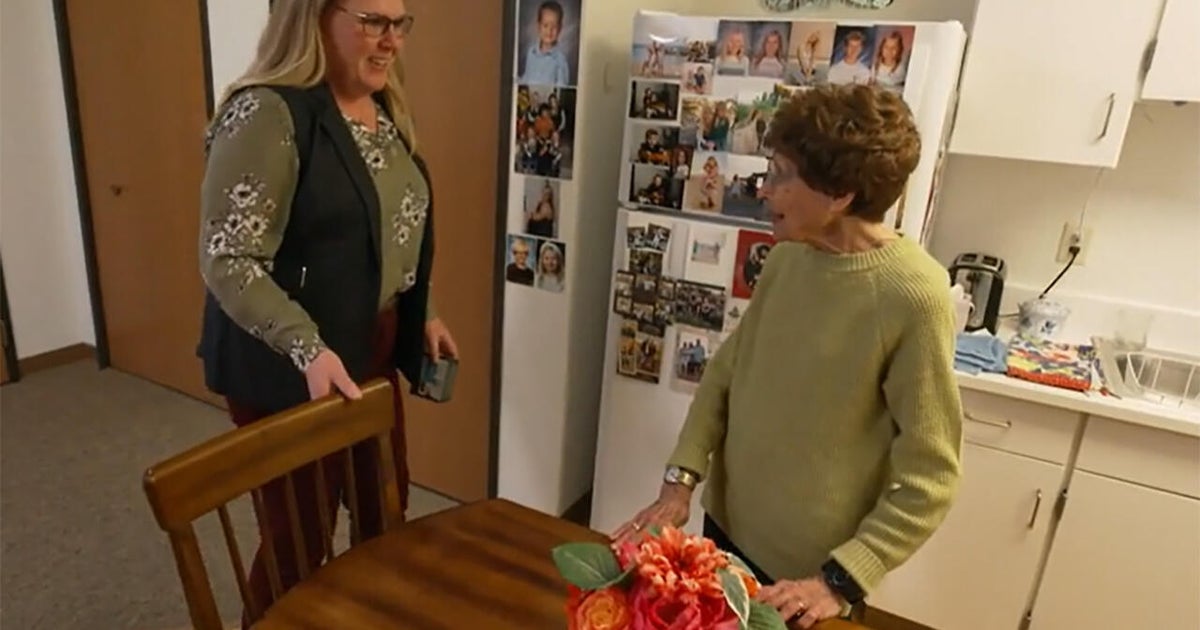
The Aging in Community program is turning neighborly check-ins into a lifeline for older adults in rural North Dakota, where many seniors want to remain in small towns even as services and social circles thin out.
CBS News reported from farming communities including Hebron and Glen Ullin, where retirees such as 98-year-old Mae Buchli are holding tight to home. Buchli told CBS News she and her family had decided against moving because they wanted her to stay where she is.
The pressure behind that choice is growing nationwide. According to the USDA, the number of U.S. counties where at least 20% of residents are 65 or older has nearly tripled since 2010. CBS News reported that rural America is aging faster than urban America, and that loneliness and social isolation are more common health risks in older populations.
In rural counties, one in five adults is at least 65, CBS News reported. Moving closer to more services may sound neat on paper, but the gap in costs between rural and urban areas can make that difficult for some older residents.
What is the Aging in Community program?
Aging in Community is a North Dakota State University Extension program led by gerontology specialist Jane Strommen and funded as a local pilot by Margaret A. Cargill Philanthropies, according to CBS News. The program uses existing community ties, especially neighbors, to help older rural residents stay connected and safer at home.
Strommen told CBS News the idea is practical and built for rural communities. She said people often want to help neighbors and community members, but sometimes need organization to make that help work.
That help can be modest, and that is the point. Kyla Sanders, a retired nurse raised in rural Montana, is one of four regional coordinators for the program, CBS News reported. During one visit, she brought Buchli a calendar designed to be heard rather than seen.
Sanders also spends hours driving rural roads to help seniors with needs ranging from stopped wristwatches to tax returns, according to CBS News. She has organized game days as well, giving older residents a reason to gather rather than sit through empty hours alone.
Sanders told CBS News that older residents want contact, belonging and a sense that they still matter. After five years with Aging in Community, she said clients report a better quality of life, more confidence about staying home and stronger links to local resources.
Why rural senior loneliness is getting harder to ignore
Some support already comes from local faith leaders. Father Gary Benz, who grew up on a nearby farm, visits parishioners who cannot come to him, including 96-year-old Viola Weinhart, CBS News reported. Benz said those visits have made him more compassionate because his own parents faced similar loneliness.
Weinhart told CBS News that Benz visits weekly and updates her on local and church news. For 88-year-old Lynda Hoerauf, another rural resident featured by CBS News, Sundays are hardest because there is little happening.
Federal money is also headed toward rural health care. CBS News reported that the Rural Health Transformation Program, part of President Trump’s “Big Beautiful Bill,” is putting $50 billion toward improving access to doctors and other caregivers for seniors. The program is listed by the Centers for Medicare & Medicaid Services as the Rural Health Transformation Program.
Medical access, though, does not cover every gap. Aging in Community is now expanding to serve 12 North Dakota counties, CBS News reported. Some are classified as frontier counties, meaning they have six or fewer people per square mile.
For seniors who want to remain where their lives were built, the pitch is plain: home, with backup. In places where the next driveway can be miles away, an organized knock on the door can count for a lot.
This story draws on original reporting from CBS News.