AHRQ grants halted as HHS pauses patient safety research funding
AHRQ told researchers at least 104 grants will not continue, despite Congress funding the health safety agency this fiscal year.
By Sal Moretti · Money Reporter
3 min read
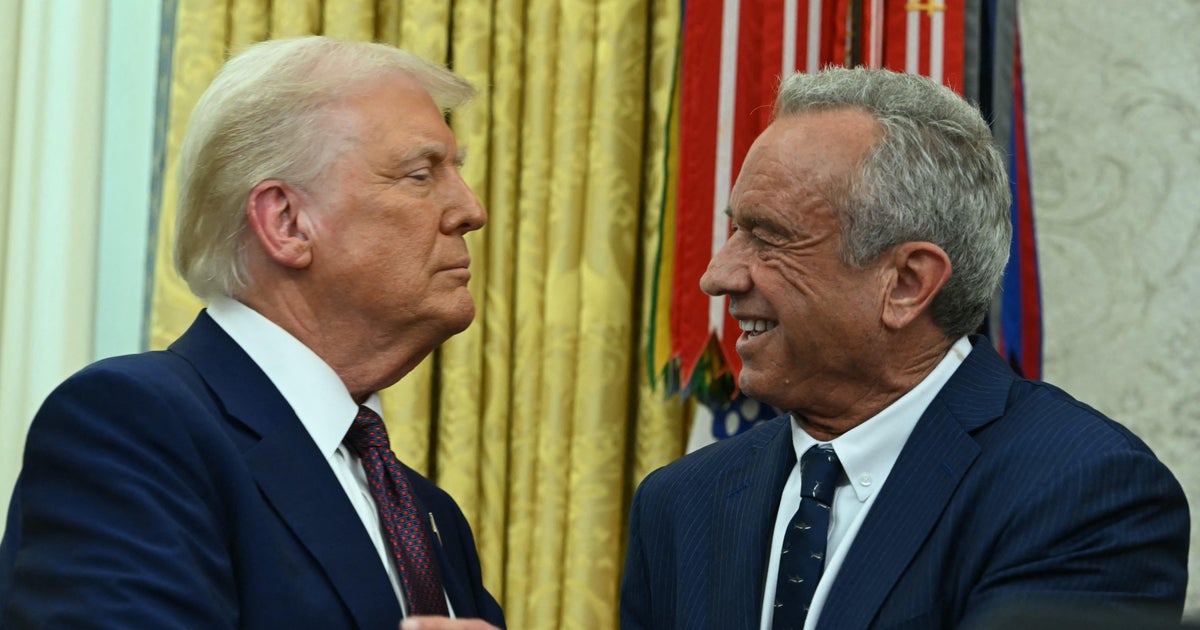
AHRQ grants halted by the Trump administration have put at least 104 research projects on ice, according to a July 15 letter from the Agency for Healthcare Research and Quality reviewed by KFF Health News.
The small Health and Human Services agency, known as AHRQ, focuses on how to make medical care safer, less costly and more effective. Congress appropriated $345 million for the agency this fiscal year, but federal records reviewed by KFF Health News show it has spent less than $15 million on grants and has not issued a new one in more than a year.
HHS told KFF Health News that about three-quarters of AHRQ employees have left or been fired since President Donald Trump took office. Former AHRQ program officer Brent Sandmeyer said all grant managers at the agency have been dismissed, which he said would leave no direct oversight structure for future grants.
HHS spokesperson Emily Hilliard said AHRQ plans to create a new grant “framework,” but did not provide details, according to KFF Health News. She said the grants were not terminated, but were “not awarded continued funding,” and said the administration remains committed to responsible use of taxpayer money.
Why were AHRQ grants halted?
AHRQ Director Roger Klein’s July 15 letter said the agency’s interests include patient safety, antibiotic resistance, overmedication of children, digital health tools and measurable health outcomes, according to KFF Health News. Researchers told the outlet that many of the stopped projects appear to match those areas.
KFF Health News reported that it reviewed about 20 of the affected grants and found that nearly all overlapped with the priorities Klein listed. Hilliard said AHRQ is improving its grant process, checking the quality of agency work, aligning with its legal mission and focusing on research meant to improve patient outcomes.
Aaron Carroll, chief executive of AcademyHealth, told KFF Health News that AHRQ studies many of the everyday problems patients complain about, including high costs, difficulty seeing doctors, incorrect treatment and inaccurate medical records.
Among the researchers affected is Hardeep Singh of Houston Methodist, whose AHRQ-funded work targeted medical mistakes linked to software design. Andrea Shields, a University of Connecticut OB-GYN, lost funding for training nonspecialist clinicians and emergency medical technicians to handle high-risk pregnancies, KFF Health News reported.
Goutham Rao of Case Western Reserve University told KFF Health News that AHRQ ended three current grants in his department. His past AHRQ-funded work included research on weight loss in frail older patients, reducing diagnostic tests in elderly patients and improving hypertension screening in children.
What has AHRQ funded before?
AHRQ-backed studies have helped shape patient safety practices, medical information technology and patient-centered care, according to KFF Health News. The agency’s own analysis found that infection-control practices linked to its research prevented an estimated 20,500 deaths and saved $7.7 billion in health care costs from 2014 to 2017.
Susan Edgman-Levitan, who worked on a national patient survey project since 1995, recently lost funding for a $1 million annual grant involving hospital surveys on childbirth and behavioral health services. She told KFF Health News the loss hit salaries and halted work she considered critical to improving care.
The Society for General Internal Medicine sued Klein and HHS Secretary Robert F. Kennedy Jr. last August over the lack of new AHRQ grants, according to KFF Health News. The pending lawsuit argues that failing to use most of AHRQ’s $369 million fiscal 2025 appropriation violates a 1974 law protecting Congress’ control over federal spending.
KFF Health News also reported that AHRQ still runs some data work, including the Medical Expenditure Panel Survey, and oversees the U.S. Preventive Services Task Force. Hilliard said the task force is scheduled to meet at the end of August after not meeting since March 2025.
This story draws on original reporting from CBS News.