Alien Terrorist Removal Court gets first DOJ deportation test
The Justice Department filed the court's first removal application, testing a sealed process for suspected noncitizen terrorists.
By Deshawn Carter · Sports Writer
4 min read
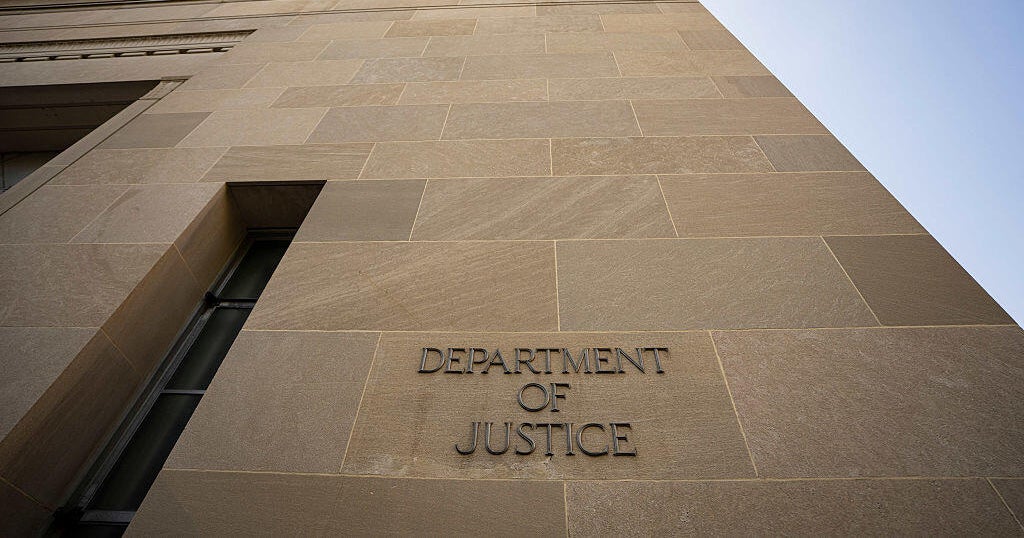
The Justice Department is testing the Alien Terrorist Removal Court for the first time, asking a secretive federal immigration court created in 1996 to approve the removal of a suspected noncitizen terrorist.
The application was filed July 15, according to court records. Court Watch, an independent news organization, first reported the filing, which is almost entirely classified and was submitted before the court had a public website.
The court was created by Congress and signed into law by President Bill Clinton. Its purpose is narrow: to handle deportation cases involving noncitizens when the government says classified national security information cannot be used in ordinary immigration proceedings.
What is the Alien Terrorist Removal Court?
The Alien Terrorist Removal Court is a special federal court that reviews government requests to deport noncitizens accused of meeting the legal definition of an “alien terrorist.” Its cases can rely on classified evidence that the person targeted for removal is not allowed to see.
Under the law, only the attorney general may approve an application to start one of these cases. One of five federal judges appointed to the court by the chief justice of the Supreme Court then decides whether the government has shown probable cause that the person is a noncitizen, fits the statutory definition and poses a national security threat.
If a judge rejects the request, the Justice Department can appeal to the U.S. Court of Appeals for the D.C. Circuit. If the application is approved, the court must hold a public removal hearing.
The process gives the target some legal rights, but they are limited. A defendant may hire a lawyer. If the person is a lawful permanent resident, the government can appoint a lawyer with a security clearance. The target is still barred from reviewing the classified evidence and cannot challenge how the government obtained it, unlike in criminal proceedings.
A Justice Department spokesperson declined to discuss the case details, saying the matter is sealed, but said the department “will use every tool available to bring alien terrorists to justice and remove them from the United States, including this court established by Congress in 1996.”
The timing drew attention because the application was filed the same day Acting Attorney General Todd Blanche appeared before the Senate Judiciary Committee for his confirmation hearing to serve as attorney general. The application became public days later, after the court’s website went live, so senators did not publicly question him about it during the hearing.
Why is the DOJ using it now?
The reason the Justice Department chose this case is not publicly clear. The Trump administration has pursued ways to speed removals of suspected terrorists, and it has designated known drug cartels and criminal gangs as foreign terrorist organizations, a label that can support expedited removal efforts.
Last year, the Justice Department invoked the Alien Enemies Act of 1798 in an effort to deport suspected members of the Venezuelan criminal group Tren de Aragua. Chief Judge James Boasberg of the U.S. District Court for the District of Columbia later said the Alien Terrorist Removal Court was the best forum for removal cases involving sensitive national security issues.
Chief Judge Joan Ericksen, who leads the Alien Terrorist Removal Court and sits in federal court in Minnesota, has already asked the department for more support. After a sealed July 16 hearing, Ericksen wrote that the court had questions about the connection the government alleged between the respondent’s actions and the statutory sections it cited.
Eric Lee, an immigration attorney with Lee & Godshall-Bennett, told CBS News the case could set a precedent no president had wanted to establish, citing concerns about detention based on secret evidence and arguments the person cannot hear.
Aram Gavoor, a former national security attorney in the Justice Department’s Civil Division, told CBS News the court’s Article III judges provide a serious check on the government. He said concerns about evidence being unavailable to the public are “counterbalanced by a cohort of the most serious judges we have on the bench.”
Jeff Breinholt, a former Justice Department attorney who served as counterterrorism deputy chief, told CBS News earlier efforts to find a test case failed. He said FBI officials resisted turning investigative targets into removal cases, and senior Justice Department officials were wary of certifying that ordinary immigration courts could not handle them.
Breinholt also noted that even if the government wins approval to deport the person, another problem may remain: the person’s home country could refuse to take them.
This story draws on original reporting from CBS News.