Army Iowa explosives detonation can proceed after appeals court ruling
The 8th Circuit lifted its temporary block on an Army plan to destroy degraded lead azide in Middletown, Iowa, while the operation’s status remained unclear.
By Deshawn Carter · Sports Writer
3 min read
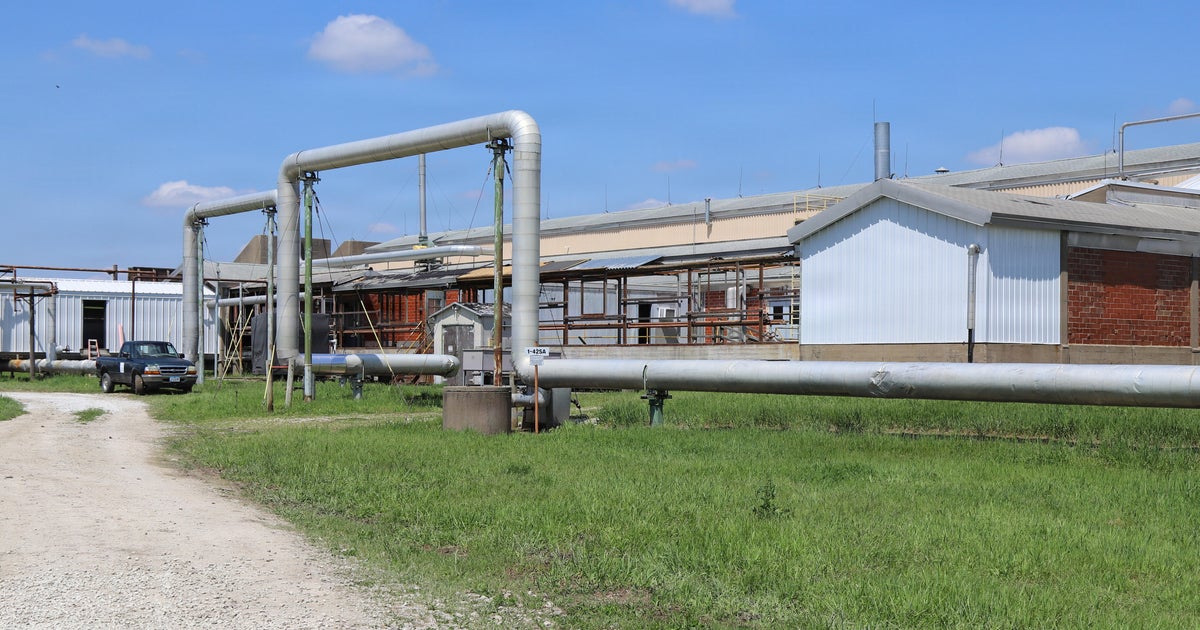
The Army Iowa explosives detonation can move forward after the 8th U.S. Circuit Court of Appeals declined to block the planned destruction of roughly five tons of degraded lead azide at the Iowa Army Ammunition Plant in Middletown.
The court had temporarily stopped the operation the previous week while it considered a challenge by environmental groups. In its new ruling, the court said the groups had not shown they were likely to win their case, according to CBS News.
Why did the court allow the Army’s Iowa explosives detonation?
The judges said they were aware of the risks posed by a planned blast. But the ruling also pointed to what it described as the danger of an uncontrolled explosion from the deteriorating explosive material if it is not handled under the safety measures in the Environmental Protection Agency permit.
Lead azide is used in munitions production. PBS NewsHour, citing Associated Press reporting, said the Army found several dozen barrels of degraded material at the plant in March. The plan involved 68 drums, or about 10,000 pounds, of the chemical.
Army officials have said the drums are too unstable to move. In a court declaration reported by PBS, Army Col. Aaron Teller said crystals forming in the barrels could become more sensitive as temperatures fall, and that friction could set off an explosive chain reaction.
Officials considered alternatives, including chemically neutralizing or decomposing the contents, according to EPA documents cited by PBS. They concluded that handling the drums for those options could increase the risk of an accidental, potentially fatal blast.
Environmental groups challenged the emergency permit
The groups suing over the plan argued that the EPA had not given the public sufficient notice, adequately assessed the risks or fully examined alternatives before issuing an emergency permit, CBS reported. They warned that a detonation could spread toxic lead particles into nearby areas.
Illinois officials were monitoring for possible effects across the state line. ABC7 Chicago reported that families closest to the plant had been advised to leave before any blast, with evacuation areas located in Iowa.
For potentially affected Illinois communities, health officials advised people to remain inside with windows closed for 24 to 48 hours after a detonation. The Illinois EPA planned to watch air monitors for any lead dust, ABC7 reported. PBS also reported that officials advised residents to stay indoors during a blast and rinse outdoor surfaces afterward.
What happens next?
Before the ruling, President Donald Trump said the Army would wait for the appellate court and said he wanted Iowa Gov.-elect Rob Sand to agree to the operation, CBS reported. CBS noted that Sand’s approval was not technically required.
The Army had said over the preceding weekend that it aimed to conduct the operation on Wednesday. The available reporting does not establish whether the detonation occurred after the court decision or the later status of the lawsuit.
This story draws on original reporting from CBS News.