Senate passes energy bill to speed data center and power project approvals
The Senate voted 62-33 for an energy permitting bill that could speed data center projects, but it still needs House approval.
By Sal Moretti · Money Reporter
3 min read
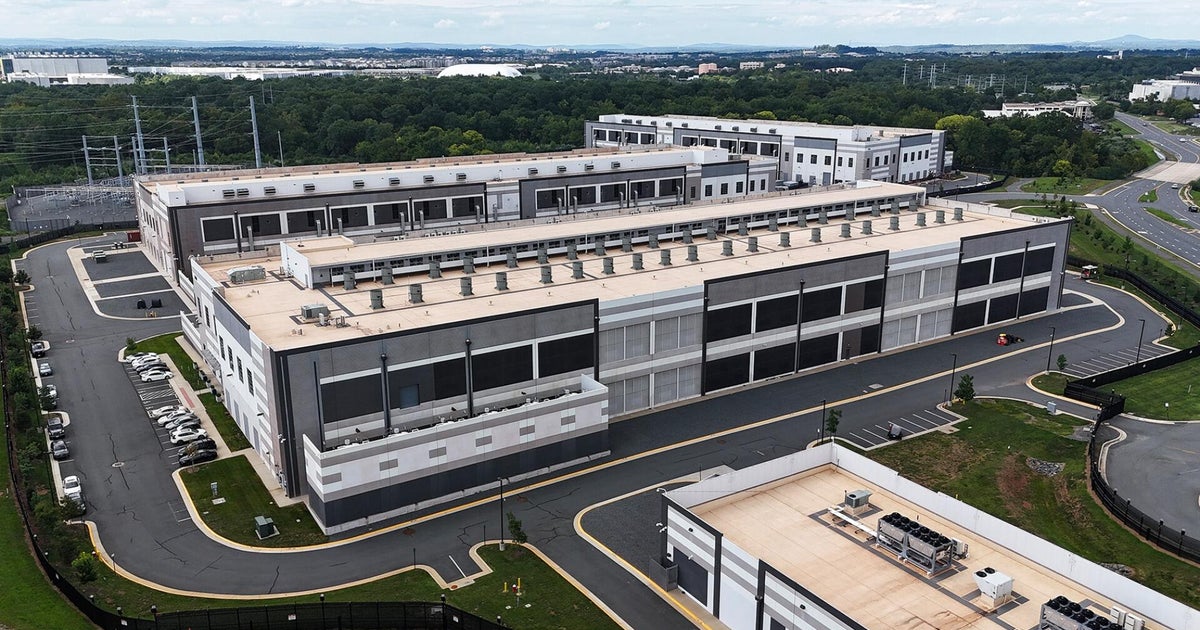
The Senate passed a bipartisan energy bill that could speed federal approvals for data centers, power plants and transmission lines, while requiring large AI facilities to take on more of the grid-upgrade costs tied to their electricity demand. The Senate energy bill data centers measure passed 62-33 and now moves to the House.
The Bipartisan American Affordability and Jobs Act has not become law. The House must approve it before it can reach President Donald Trump, who has said he would sign the legislation if Congress passes it, Reuters reported.
What would the Senate energy bill change for data centers?
The proposal would tighten deadlines for federal environmental reviews and speed approvals for major energy projects, including data centers and the power infrastructure that serves them, according to Reuters and NPR.
It would also limit some circumstances in which permits may be revoked or challenged in court, Reuters reported. That is a change to federal permitting and review processes, not a blanket removal of restrictions on data centers. The available reporting does not establish that the bill would override state or local rules.
Large AI data centers would have to cover a greater share of grid-upgrade expenses connected to their power needs, Reuters reported. Sen. Sheldon Whitehouse, a Rhode Island Democrat and bill co-author, said the measure would make data centers pay for the power they use, according to NPR.
Why did the Senate take up the bill?
Lawmakers have faced rising concern about electricity demand associated with artificial intelligence, whether the power grid can expand fast enough and the cost of electricity for households and businesses. NPR reported that the national price of a kilowatt-hour had climbed more than 6% over the previous year and 39% over five years.
Supporters say faster construction of energy and transmission projects could help address those pressures. West Virginia Republican Sen. Shelley Moore Capito, a co-author, called the Senate vote a step toward addressing Americans' affordability concerns, according to Reuters.
The bill was authored by two Democrats and two Republicans. NPR reported that 14 Democrats and one independent joined most Senate Republicans in voting yes.
Who opposed the permitting overhaul?
Opponents, including many Democrats and major environmental organizations, warned that the legislation could weaken environmental oversight, judicial review and tribal sovereignty. The Sierra Club and National Wildlife Federation opposed the bill on those grounds, NPR reported.
Oregon Democratic Sen. Jeff Merkley said tribes had not been adequately consulted, Reuters reported. Republican Sens. Josh Hawley of Missouri and Mike Rounds of South Dakota also voted against the measure.
The next test is in the Republican-controlled House. Until that chamber acts, the proposed changes to data-center permitting, environmental reviews and grid-cost sharing remain a Senate-approved plan rather than federal law.
This story draws on original reporting from CBS News.