El Chapo Isidro arrest sparks deadly violence in Sinaloa
Mexican forces captured FBI Top 10 fugitive Fausto Isidro Meza-Flores after a raid in Sinaloa, where authorities reported 11 deaths.
By Georgia Hale · Staff Writer
2 min read
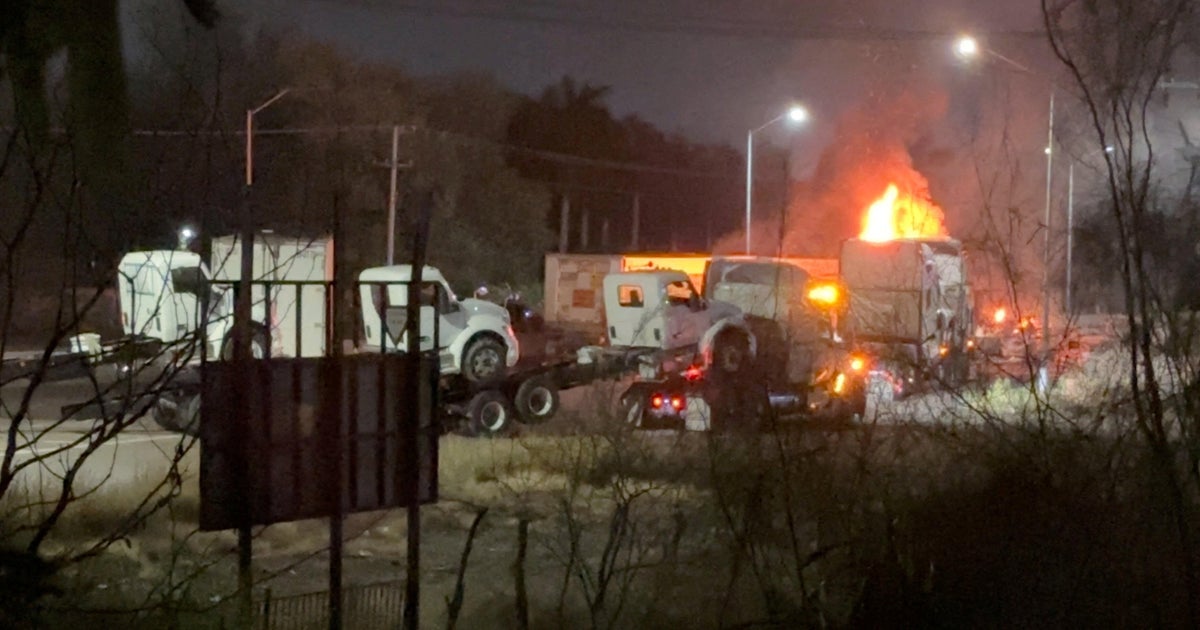
The El Chapo Isidro arrest set off gunfire, roadblocks and burning vehicles in Mexico’s Sinaloa state after special forces captured Fausto Isidro Meza-Flores, an FBI Top 10 fugitive, officials said. Mexico’s Defense Secretariat said four soldiers and seven alleged attackers were killed during the operation and its aftermath.
Meza-Flores, known as “El Chapo Isidro,” was detained in Guasave on Friday night and flown to Mexico City, according to Mexico’s military. He had been indicted in the United States on drug-trafficking and firearms charges, and U.S. authorities had offered up to $5 million for information leading to his arrest.
The FBI has alleged that Meza-Flores led a heavily armed Sinaloa-based drug-trafficking organization involved in moving heroin, methamphetamine, cocaine, fentanyl and marijuana into the United States. Those are allegations, and the reports do not establish that he has been convicted.
What happened after El Chapo Isidro’s arrest?
Mexico’s Defense Secretariat said its forces approached the target area covertly, secured a perimeter around a residence and came under attack with gunfire and explosives before entering the property and making the arrests.
Violence then spread through parts of Sinaloa. The Associated Press reported heavy gunfire, helicopters and burning trucks, while other reporting showed civilians fleeing as shots rang out near a baseball game in Guasave. Sinaloa authorities urged people to stay indoors and avoid roads during the unrest.
Mexican Security Secretary Omar García Harfuch said four army personnel were killed along with seven people authorities alleged were trying to stop the capture. State authorities later said the immediate situation had substantially subsided, though armed forces were to remain deployed to protect civilians.
What is known about the raid, and what remains unclear?
Mexican officials said intelligence from the Trump administration assisted the operation, but gave few details about how U.S. and Mexican agencies worked together. U.S. Ambassador Ronald Johnson separately said intelligence sharing between the countries was central to the arrest.
Reports differ on how many people were arrested with Meza-Flores. Mexico’s Defense Secretariat initially described the capture of Meza-Flores and two other alleged leaders, while later accounts cited eight detainees in total. The reporting also uses different names for the group allegedly tied to him, so its exact organizational label remains unsettled.
The United States is seeking Meza-Flores’ extradition, according to the BBC. An extradition request does not itself transfer a suspect: it begins a formal legal process with separate reviews, as explained in how extradition works.
This story draws on original reporting from CBS News.