Signal blocks screenshots to limit AI assistants’ access to private chats
Signal is adding default screen protections on some phones, but says encryption cannot stop every AI access route.
By Poppy Nakagawa · Culture Writer
3 min read
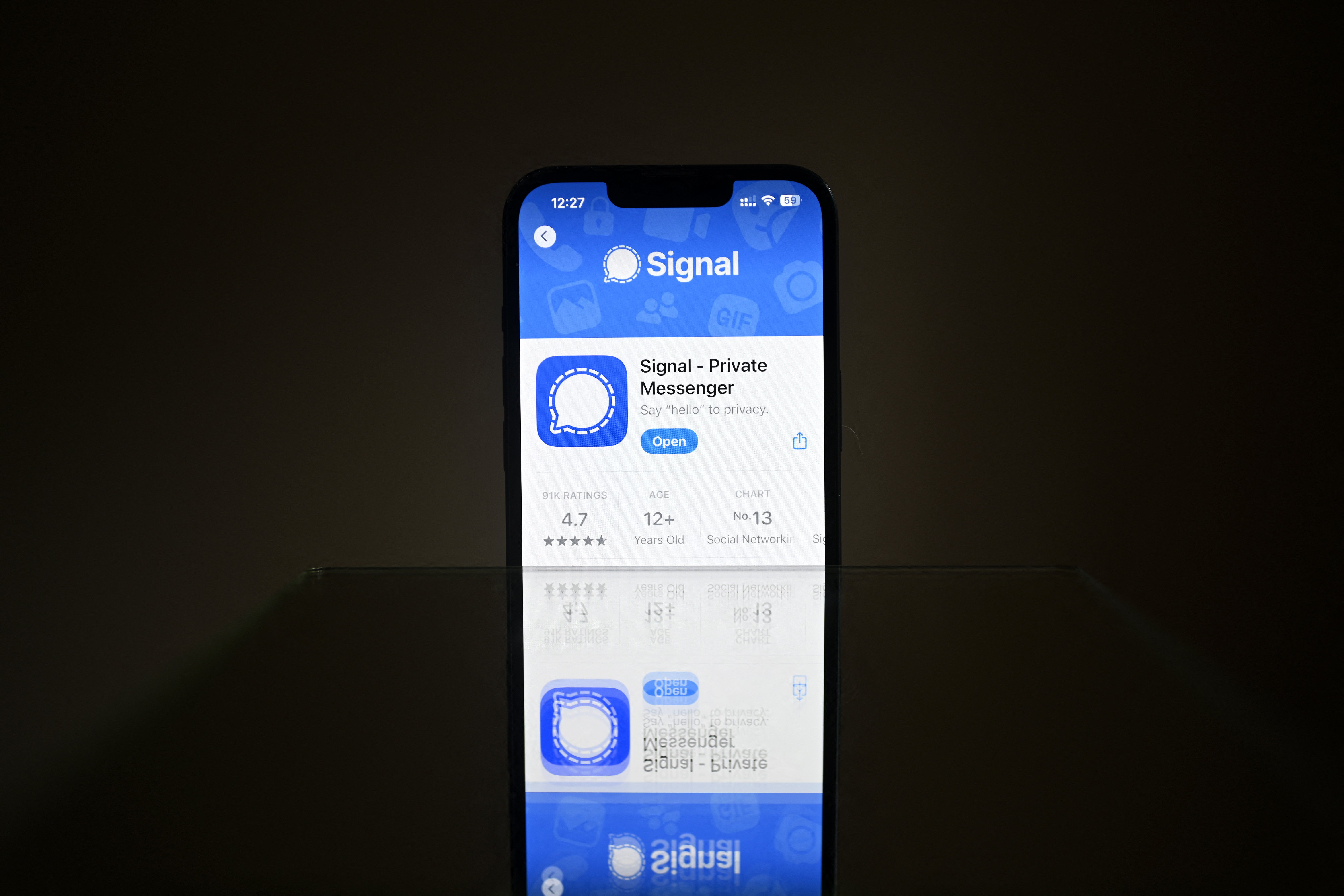
Signal blocks screenshots AI assistants could use to inspect private chats, introducing default protections it says are meant to limit access to messages displayed on phones.
The encrypted messaging service announced the move on Nov. 20, according to Reuters. Signal says the change responds to AI agents built into operating systems that can inspect a screen and act on what they find.
On iPhones running iOS 27, Signal’s Block Siri AI option is enabled by default, Mashable reported. On supported Android phones, the app turns on its Screen Security feature when it detects an assistant attempting to read the display. Users can disable either protection in Signal’s settings.
The new measures are not a full shutdown of screenshots or all AI access. Signal called its protections incomplete and said agents may still reach sensitive information through other system-level paths, including notifications, screen-reading tools and file access.
Can AI assistants read Signal chats?
End-to-end encryption protects a message as it moves between sender and recipient. Once it reaches a phone, however, the device converts it into readable text in a chat window or notification. An assistant granted access to those parts of the device could potentially read that displayed text, according to Mashable’s account of Signal’s explanation.
That means an app-level encryption system cannot control what another tool does after it has obtained readable content on a user’s device. Signal says an assistant may process the information locally or send it to a remote server once it has access, Mashable reported.
Reuters recently reported that Meta’s Muse agent obtained Signal-message content on an Android phone and an Apple computer after broad operating-system permissions were granted during setup. On Android, Reuters found Muse could get message text from notifications. On macOS, it used accessibility features and screenshot tools to read chats.
Meta told Reuters that Muse can access other apps only through permissions that users explicitly grant. Signal President Meredith Whittaker has warned that broad accessibility permissions can give AI agents wide access across a device, according to Mashable.
What Signal’s new blocks can and cannot do
- They are intended to close or limit screenshot-based and screen-reading routes on certain phones, according to Signal’s announcements reported by Reuters and Mashable.
- They can be turned off by the user, depending on the device.
- They do not eliminate other ways an agent with broad device permissions might obtain information, including notification access.
- Signal previously prevented Microsoft’s Recall AI from capturing screenshots on Windows, Reuters reported. The company said it cannot reliably offer comparable protection on Apple’s macOS.
Signal is asking Apple, Google and Microsoft to disclose more about what their agents can access and to give developers clearer ways to exclude apps from AI processing. Reuters reported that the three companies did not immediately respond to its requests for comment.
This story draws on original reporting from Mashable.