Bath filters enter the tub chat as testers find two easy picks
NBC Selected tested bath filters for more than a month and found they are simple to install, though results for hair and skin may take time.
By Frankie Delgado · News Reporter
3 min read
Your bath water is probably safe to soak in, but it may not be as filtered as you think.
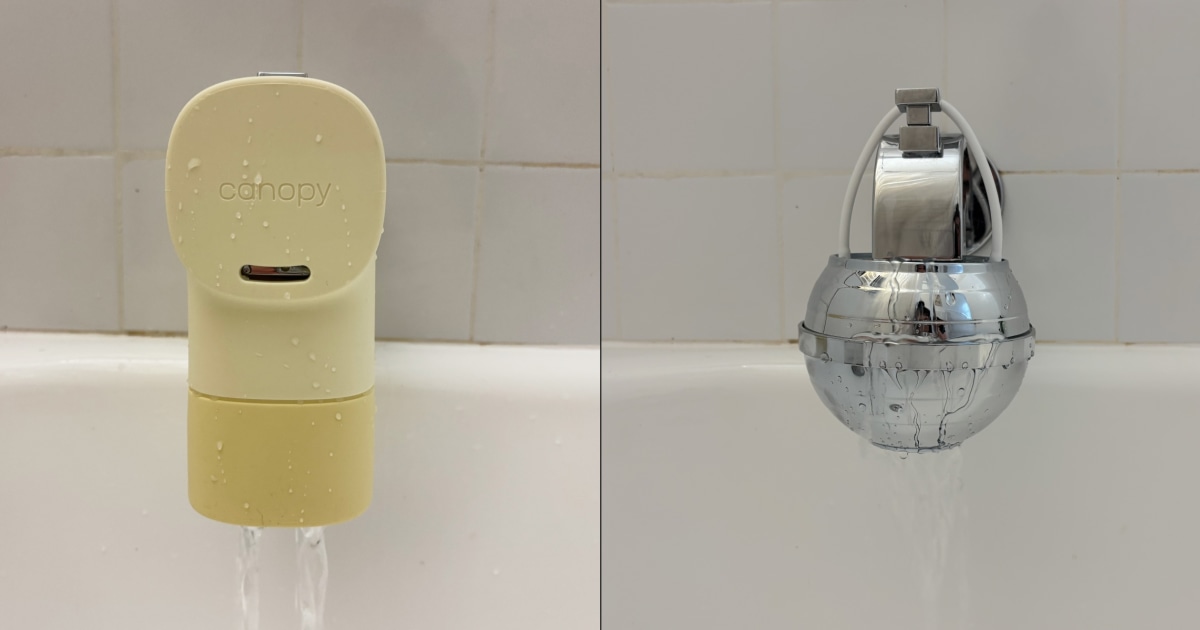
NBC Selected reports that bath filters, a newer cousin of filtered showerheads, are designed to cut down on chlorine, chloramine, hard water minerals, sediment and odors as water runs from the tub spout. After more than a month of testing, the outlet recommended two models: Canopy’s Bath Tub Filter and Tru’s Bath Water Filter.
Deon Marecheau, a Thumbtack pro and owner of Antillean Restoration, told NBC Selected that bath filters are “point of use” filters, meaning they treat water at the fixture rather than at the point where water enters a home. The filter media inside the device traps certain impurities as water passes through it.
What the testing found
NBC Selected said its tester installed the filters in an apartment bathroom, used each one for at least two weeks and filled a tub multiple times with warm water. The outlet looked at installation, daily use, filter replacement and any visible effect on hair and skin.
The tester did not report a clear change in hair or skin after more than a month, while noting that baths were not taken daily. The outlet said the filters did not noticeably slow the tub-filling rate.
The big win was ease. Unlike many filtered showerheads, the bath filters did not require swapping out plumbing hardware. NBC Selected said the devices could be slipped over, hooked onto or hung beneath a standard tub spout.
The two picks
Canopy’s Bath Tub Filter was named the better choice for families. NBC Selected reported that it uses activated carbon, calcium sulfite and copper-zinc filter media, with a listed filter life of 90 days. Replacement filters cost $37 without a subscription or $26 with one, according to the roundup.
The Canopy model covers the full tub spout with a soft silicone exterior. NBC Selected said that design may help protect children from hitting their heads on hard metal, and the built-in temperature indicator turns red when water is too hot. The outlet also noted the filter is visually noticeable in the tub and may not match bathroom hardware.
Tru’s Bath Water Filter was picked as the better option for occasional use. NBC Selected said it hangs from the spout with a hook and can be removed after the bath is filled. The filter uses a 12-stage system that includes sand, stainless steel mesh, cotton, calcium sulfite, redox and activated carbon, according to the report.
Tru’s filter is listed for 30 baths, with replacement filters priced at $19.99. NBC Selected said water may leak around the edges, and the product was not listed at large retailers in the roundup.
Who may benefit
Dr. Dendy Engelman, a double board-certified cosmetic dermatologist and Mohs surgeon at Shafer Clinic Fifth Avenue, told NBC Selected that bath filters can help reduce exposure to substances that may dry or irritate skin. She said they may be most useful for people with eczema, psoriasis, rosacea or sensitive skin.
Engelman also said chlorine, chloramine and hard water minerals can affect hair and scalp by leaving residue, creating buildup and contributing to dullness or dryness. She told the outlet that color-treated, chemically treated and curly hair may be more prone to dryness and mineral buildup.
For babies and children, Engelman told NBC Selected that reducing exposure to chlorine, chloramine and hard water minerals may help limit irritation because young skin is more delicate. She also recommended lukewarm water, gentle fragrance-free cleansers and moisturizing after bathing.
What to check before buying
Marecheau told NBC Selected that bath filters do not soften hard water, because true softening requires an ion-exchange process that basic bath filters cannot perform. Depending on the filter media, they may reduce the presence of some minerals.
NBC Selected also reported that shoppers should look for disclosed filter media, third-party testing data, spout compatibility, replacement filter cost and finish options before buying.
This story draws on original reporting from NBC News.