Biden loses bid to block biographer tape release, for now
A D.C. appeals court rejected Joe Biden’s effort to stop the Justice Department from turning over redacted recordings to the Heritage Foundation.
By Georgia Hale · Staff Writer
3 min read
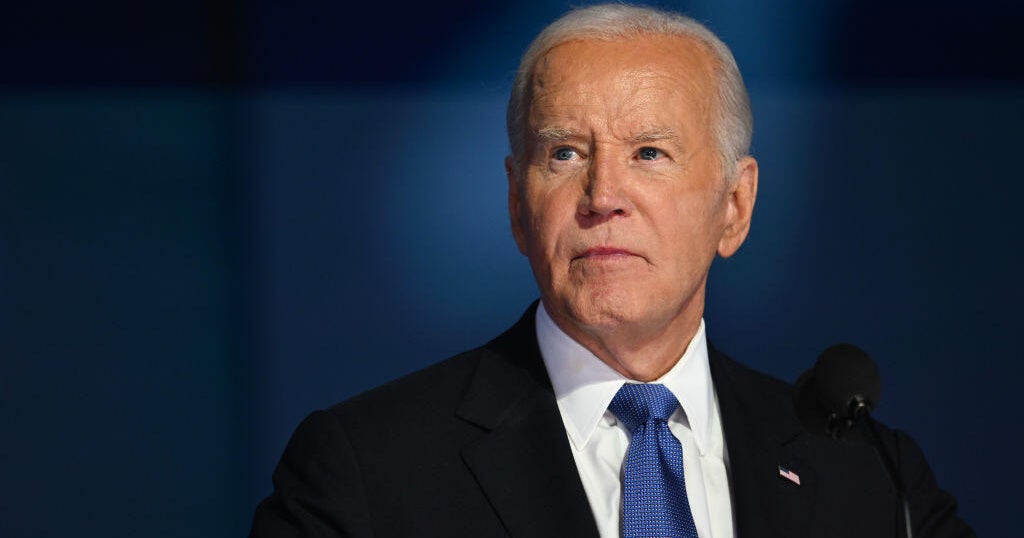
A federal appeals court said Monday night that former President Joe Biden has not shown he is likely to keep the Justice Department from releasing redacted transcripts and audio of his old conversations with biographer Mark Zwonitzer.
The 2-1 ruling from a three-judge panel of the U.S. Court of Appeals for the District of Columbia Circuit handed a win to the Heritage Foundation, the conservative think tank seeking the material through a public records case.
The recordings will not be released immediately. The court put its decision on hold until Aug. 3, giving Biden time to pursue further appeals.
In the majority opinion, the panel wrote that Biden had not shown “a likelihood that the requested materials must be withheld from disclosure.”
The fight over the tapes
The recordings come from 2016 and 2017, when Biden spoke with Zwonitzer while working on his memoir, Promise Me, Dad. The material later drew attention because former special counsel Robert Hur referred to the conversations in his investigation of Biden’s handling of sensitive government records after his vice presidency.
Hur did not bring criminal charges against Biden. His 2024 report, however, described the recordings as showing Biden’s “diminished faculties and faulty memory” and said the conversations with Zwonitzer were “painfully slow,” with Biden struggling to recall events and read from his own notebooks.
After Hur’s report became public, the Heritage Foundation asked for records the special counsel had relied on for parts of the report, including material tied to the Zwonitzer conversations.
The Justice Department at first withheld the audio and most of the transcripts, citing exemptions under the Freedom of Information Act. After President Trump returned to office, the department said it planned to provide the material to Congress and to the Heritage Foundation.
Biden argued the talks were private
Biden then moved to intervene in the Heritage Foundation’s 2024 lawsuit seeking the records. U.S. District Judge Dabney Friedrich rejected his request last month to block release of the material.
Friedrich later paused the Trump administration’s disclosure for three weeks so the D.C. Circuit could decide whether to step in. A D.C. Circuit panel also issued a temporary administrative injunction on July 10, saying the short pause was meant only to give the court time to consider Biden’s emergency request and was not a ruling on the merits.
Biden’s lawyers told the appeals court that releasing the Zwonitzer conversations would cause harm. In a filing, they compared public disclosure of the talks to releasing diary entries or private text messages.
His legal team argued that the conversations “were never intended to be shared with a wider audience” and said the Justice Department had them only because they were gathered during a criminal investigation that ended without charges.
The lawyers also said the Heritage Foundation did not need immediate access, arguing that the FOIA case has been pending for nearly two and a half years and that there is no urgent public interest in decade-old conversations involving a former president who is now a private citizen and not seeking office.
The Justice Department argued the public has an interest in seeing the material Hur used in his inquiry. Department lawyers told the court that release would let the public assess Hur’s conclusions.
This story draws on original reporting from CBS News.