Burger King tests smaller bites as weight-loss drugs change appetites
Burger King’s U.S. president told NBC News the chain is preparing for GLP-1 users with smaller formats and protein-focused options.
By Sal Moretti · Money Reporter
3 min read
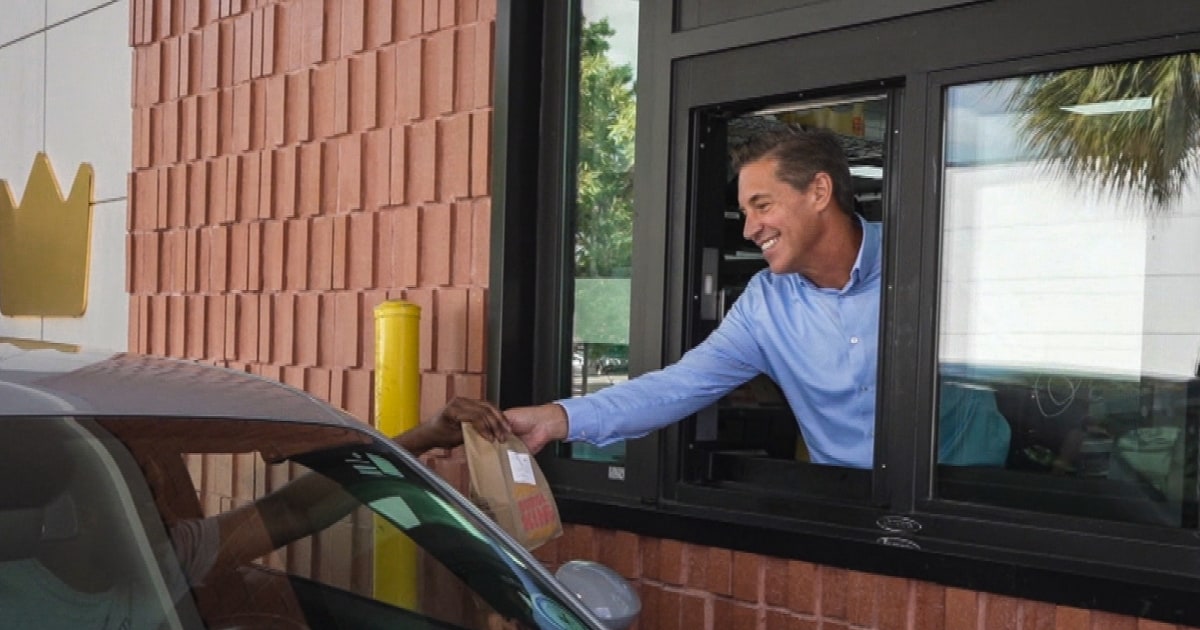
Burger King is already tinkering with the menu for a future where customers may still crave a Whopper, but not the same-sized feast.
Tom Curtis, Burger King’s president for the U.S. and Canada, told NBC News in Miami that the chain is preparing for the growing use of GLP-1 weight-loss drugs, even though he said the impact has not yet appeared in Burger King’s sales.
“My impulse has always been that this GLP-1 movement is going to have a profound impact on the industry,” Curtis said in the NBC interview. “We haven’t seen it yet, so I keep telling the team, ‘Hey, we need to be prepared for this.’”
The company is testing items including Whopper Bites and protein-forward bowls, Curtis told NBC. The idea, according to the report, is to offer smaller portions and more protein-heavy choices without turning Burger King into something unrecognizable.
Fast food meets smaller appetites
GLP-1 medications have become a major question for the restaurant business because the drugs can change how much people eat. A July Gallup poll found that 11% of U.S. adults are currently taking a GLP-1 medication, nearly four times the level from two years earlier.
The National Restaurant Association, in a separate survey cited by NBC, found that nearly half of GLP-1 users said they had reduced how often they dine out after starting the medications.
Another warning sign for burger chains came from equity research firm William Blair. In an April survey of 300 GLP-1 users, the firm found that 72% said they were cutting back on hamburgers.
JPMorgan estimated in February that GLP-1 use could reduce annual food and beverage industry revenue by $30 billion to $55 billion as soon as 2030, according to NBC.
Access to the drugs could widen further. NBC reported that the federal government is testing a program intended to expand GLP-1 access for Medicare enrollees, while drugmakers are facing pressure to bring down therapy costs.
Burger King is not rushing the grill
Curtis said Burger King wants to have options ready before any shift in eating habits hits its business. He also pointed to strong Whopper sales and said the company has not yet seen GLP-1 drugs dent demand.
“What’s important for us is that we have all of the variety and innovation available in a smaller package,” Curtis told NBC.
Still, Curtis said the chain is being careful about adding too many new products too quickly. “We need the demand there before we really complexify, if you will, the menu, because simplicity is king in the fast food business,” he said.
The GLP-1 planning is happening alongside Burger King’s broader “Reclaim the Flame” turnaround effort. Curtis told NBC the company has invested more than $2 billion in branding, restaurant remodels and menu upgrades, including work on the Whopper.
Recent sales have improved. Reuters reported that Burger King U.S. comparable store sales rose 5.8% in the first quarter of the year, compared with a 1.1% decline in the same period a year earlier.
Curtis also pushed back on the idea that weight-loss drugs could wipe out fast food. “Absolutely not,” he told NBC. “Fast food is about convenience. It’s about great flavor and great value. I still think you need that.”
This story draws on original reporting from NBC News.