Cannabis growers explore turning cultivation sites into data centers
Underused cannabis grow buildings are drawing data-center interest, but power, size and fiber gaps could stall many conversions.
By Deshawn Carter · Sports Writer
3 min read
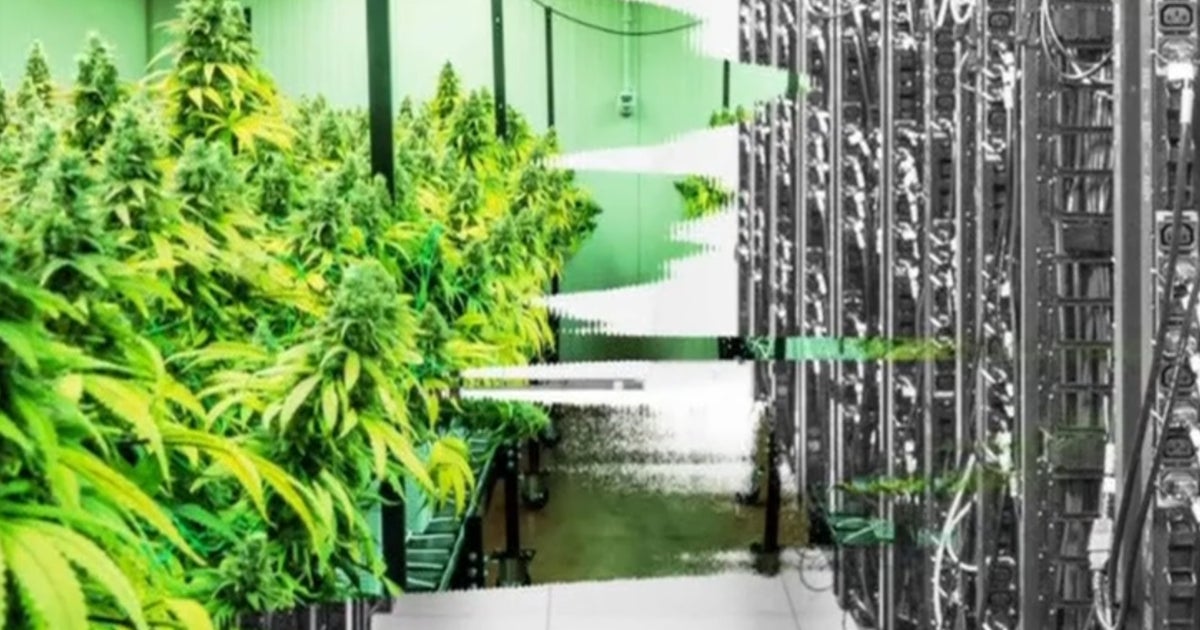
Cannabis grow data centers are moving from a far-out idea to a real estate pitch in some markets, though the evidence so far points to proposals, tours and listings rather than a broad run of completed conversions.
Struggling cannabis operators are looking at other uses for industrial cultivation buildings as oversupply, lower wholesale prices and competition from unregulated hemp-derived THC products squeeze the sector, according to MJBizDaily. Data-center developers, meanwhile, are seeking sites with heavy electrical service and cooling already in place.
Can cannabis grow facilities become data centers?
Some can be candidates, but a former grow is not automatically data-center ready. Indoor cannabis facilities were designed for round-the-clock, power-intensive work and often include industrial HVAC, climate controls, insulation and layered security, MJBizDaily reported.
Those features overlap with what server sites need to run and cool computer equipment. But developers still have to weigh the building’s footprint, electrical supply, access to fiber networks, zoning and any required utility upgrades.
The size and power gaps can be steep. Most cultivation facilities are about 30,000 square feet or less, while data-center developers generally seek larger sites, according to MJBizDaily. The outlet also reported that most grows have 3 to 5 megawatts of power, compared with well over 10 megawatts needed by the average data center.
Conversions can also require rezoning, stronger power connections and fiber work, a process that could take as long as five years, New Lake Capital Partners executive Niki Krear told MJBizDaily. Data centers may also need extra security beyond what a cultivation site already has.
Where are conversion plans being considered?
Location is a major filter. Krear identified Texas and Virginia as leading candidates, followed by Georgia, parts of the Midwest, the Rocky Mountain region and Nevada, citing power costs, fiber density and tax policies. She also pointed to Michigan, where power costs are lower than in California and Massachusetts and vacant or distressed cultivation properties are available, MJBizDaily reported.
One Michigan example remains a marketing effort, not an approved project. Harbor Farmz has promoted its 32,850-square-foot Kalamazoo cultivation property, built in 2020, as a possible AI data-center site, Newsweek reported. Residents raised questions about electricity demand, water use and noise, while city officials said no formal project had been approved.
In Pawhuska, Oklahoma, a former cultivation site has been proposed for an 8-to-10-megawatt data center. Newsweek reported that the 200,000-square-foot building sits beside a substation with significant electrical capacity.
The interest does not guarantee a sale or a switch in use. MJBizDaily reported that a Washington cultivation facility received visits from several prospective data-center clients, but its sale for another purpose was underway. For owners of unused grow space, the data-center market is an option to test, not a finished exit route.
This story draws on original reporting from CBS News.