Retailers use entertainment and immersive stores to chase shopper attention
Gap, Dick’s and Bass Pro are among retailers mixing content and experiences into shopping, though attention does not guarantee sales.
By Frankie Delgado · News Reporter
3 min read
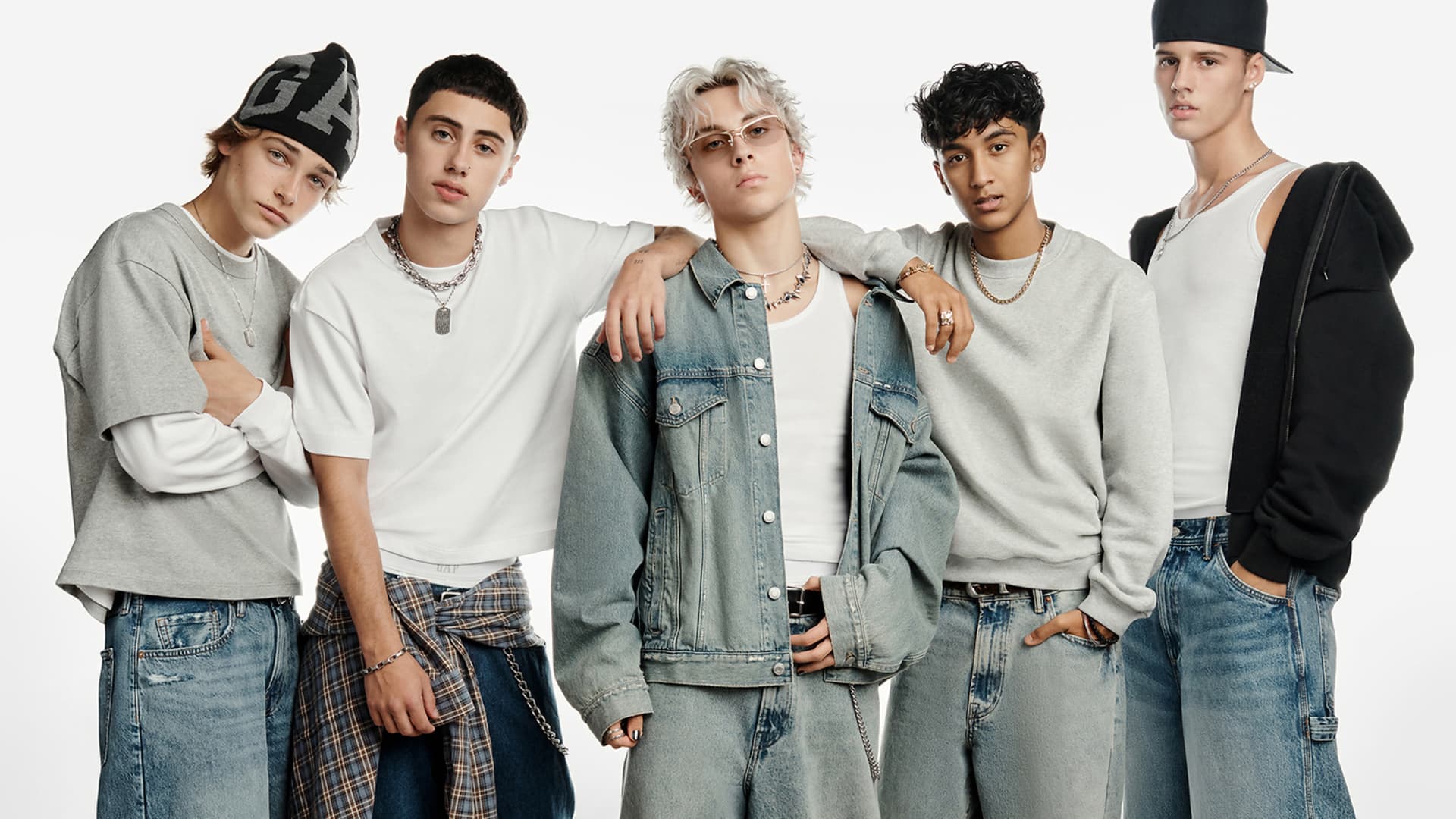
The retail entertainment strategy is moving from a side show to a more visible part of the shop floor. Retailers are building content, celebrity partnerships and hands-on store attractions to give people more reasons to engage with a brand, CNBC reports.
Gap is one prominent example. The company created a chief entertainment officer role and hired former Paramount executive Pam Kaufman to run its entertainment, content and licensing platform, according to CNBC. Gap calls its blend of shopping and entertainment “fashiontainment.”
The retailer has partnered with emerging boy band Just Your Type, following campaigns involving girl group Katseye, CNBC reported. Gap CEO Richard Dickson has said the company wants its brands to be part of cultural conversations, an aim that reflects the company’s strategy rather than a demonstrated sales result.
Why are retailers investing in entertainment?
Retailers are trying to reach consumers whose attention is split across stores, social platforms, creators and streaming media. CNBC reported that experts pointed to changing shopping habits among younger consumers, the rise of creators and consolidation in entertainment as factors behind the push.
McKinsey’s 2026 survey of 4,863 consumers in five countries found that 34% of Gen Z respondents said social media played a key role in purchase decisions, compared with 16% of baby boomers. The consulting firm also found that 23% of Gen Z respondents discovered new brands through social media, while 28% named physical stores and 18% named friends and family.
That does not mean a music tie-in or a viral video will send shoppers straight to the checkout. McKinsey’s figures describe how respondents said they discover and consider products, not whether branded content produces a sale.
What does entertainment look like in a store?
The approach has two main forms: entertainment made for screens, such as branded campaigns and creator collaborations, and in-person experiences designed to make a store visit feel less routine. CNBC cited Dick’s Sporting Goods’ interactive activities and simulators as an example of the latter.
Bass Pro Shops has gone bigger at its Sayreville, New Jersey location, according to a TODAY report. The store includes an 80,000-gallon aquarium, a ray touch pool, an arcade, Santa’s Wonderland and historical artifacts including President George H. W. Bush’s fishing boat.
Branded entertainment itself is hardly new. CNBC noted that Procter & Gamble helped popularize the term “soap opera” in the 1930s. What has changed is the range of outlets now available, from short-form video and audio to live events and creator-led projects.
Does retail entertainment lead to more sales?
The answer remains unsettled. CNBC, citing AlixPartners data, reported that companies investing in experiential retail, including Coach and Ralph Lauren, had close to 10% year-over-year increases in average basket size. The available reporting does not provide the methodology or show that the experiences caused those gains.
CNBC also reported the central catch: compelling content and immersive spaces do not always translate into sales growth. A packed event, social buzz or a longer store visit can show engagement, but retailers still need to measure repeat visits, incremental sales, margins and the cost of talent, content and elaborate store build-outs before calling the strategy a commercial win.
This story draws on original reporting from CNBC.