Catina Salarno victims rights fight reshaped California courtrooms
CBS News reports how Catina Salarno’s family turned a 1979 campus murder into decades of parole fights and victims rights changes.
By Sal Moretti · Money Reporter
3 min read
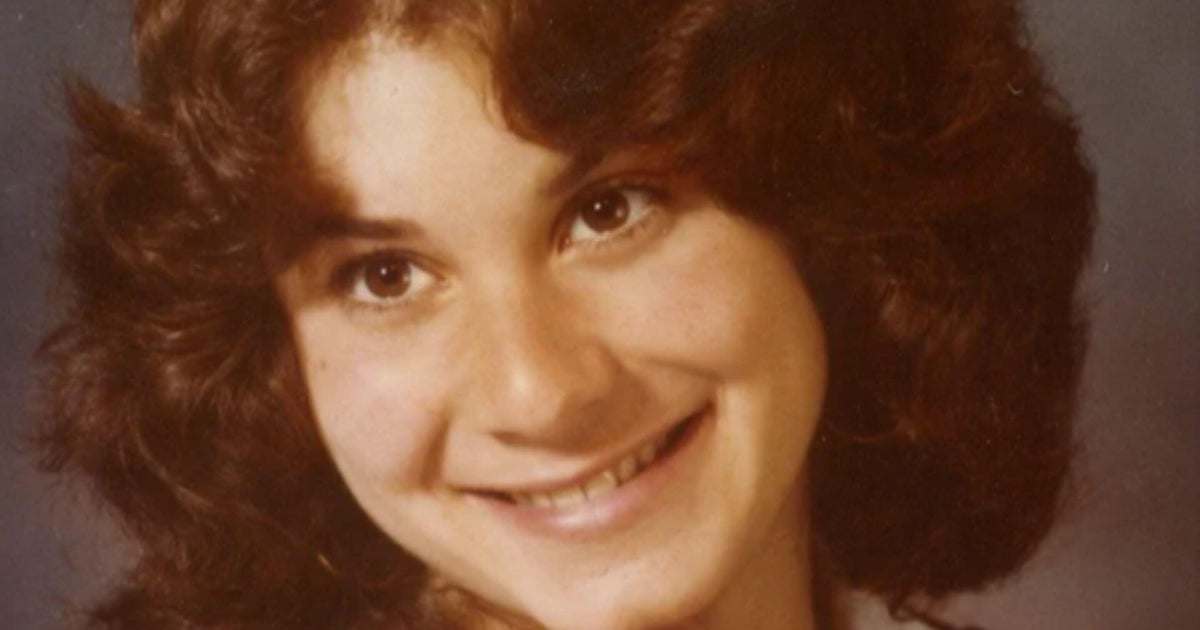
The Catina Salarno victims rights fight began with a phone call in 1979 and grew into a 45-year campaign that changed how California treats families in court, according to CBS News and “48 Hours.”
Catina Rose Salarno was an 18-year-old freshman on her first day at the University of the Pacific when she was found unconscious and bleeding from a head wound in a remote area of campus, CBS News reported. She had been shot in the back of the head and was pronounced dead shortly after midnight.
Steven Burns, her former boyfriend and a neighbor from San Francisco, was later arrested. CBS News reported that Burns had dated Catina in high school, had been close to her family, and had been mentored by her father, Mike Salarno.
Catina’s sisters, Regina Salarno-Novello and Nina Salarno, told “48 Hours” that Catina wanted to end the relationship before leaving for college. Regina said Burns had threatened to kill Catina if she broke up with him, though the sisters said they did not tell their parents at the time.
How did Catina Salarno’s case change victims rights?
Harriet Salarno later founded Crime Victims United, an organization CBS News said helped change hundreds of laws. According to CBS News, California victims can now give impact statements at sentencing, parents who are also witnesses can attend trials, and children testifying in court must be allowed a support person.
Those changes grew out of what the Salarno family described as a painful trial experience. CBS News reported that Catina’s parents were not allowed in the courtroom, and Nina, then 14, testified without a victim’s advocate beside her.
Burns was tried six months after Catina’s death. Prosecutors argued that he met Catina that night with a stolen gun and intended to kill her if she would not resume the relationship, according to CBS News. The jury convicted him of second-degree murder, not premeditated first-degree murder, and he received a sentence of 17 years to life with the possibility of parole.
The family thought the sentence meant Burns would remain imprisoned for life, CBS News reported. Instead, he became eligible for parole 10 years into the sentence, prompting the first of what became repeated appearances by the family before the parole board.
At a 1990 parole hearing recorded by “48 Hours,” Burns said he was sorry for what he had done and said he could not bring Catina back. The board found him unsuitable for release, but the family was told he could be considered again in two years.
CBS News reported that the family has returned for parole hearings 12 times and was preparing for a 13th in January 2025. Mike Salarno died of cancer in 2013, but Harriet, Regina and Nina have continued the fight.
Nina Salarno became a prosecutor and specialized in domestic violence cases, CBS News reported. Regina became a nurse, telling “48 Hours” that Catina’s death shaped her decision because she did not want anyone to die alone.
Deputy District Attorney Robert Himelblau told CBS News that Burns’ account of the killing has changed at least 12 times. Nina Salarno said Burns did not stop blaming Catina’s actions until 2016, when he told parole commissioners he became angry, pulled out a gun and shot her, while continuing to deny that he followed her to the university to kill her if she refused to get back together.
Harriet Salarno told “48 Hours” she would keep fighting as long as she is alive and Burns remains in prison. CBS News reported that Burns has been incarcerated for 45 years.
This story draws on original reporting from CBS News.