Climate risk could erase $1.47 trillion from U.S. home values
A First Street Foundation report says rising insurance costs and climate migration could reshape housing markets over the next 30 years.
By Deshawn Carter · Sports Writer
2 min read
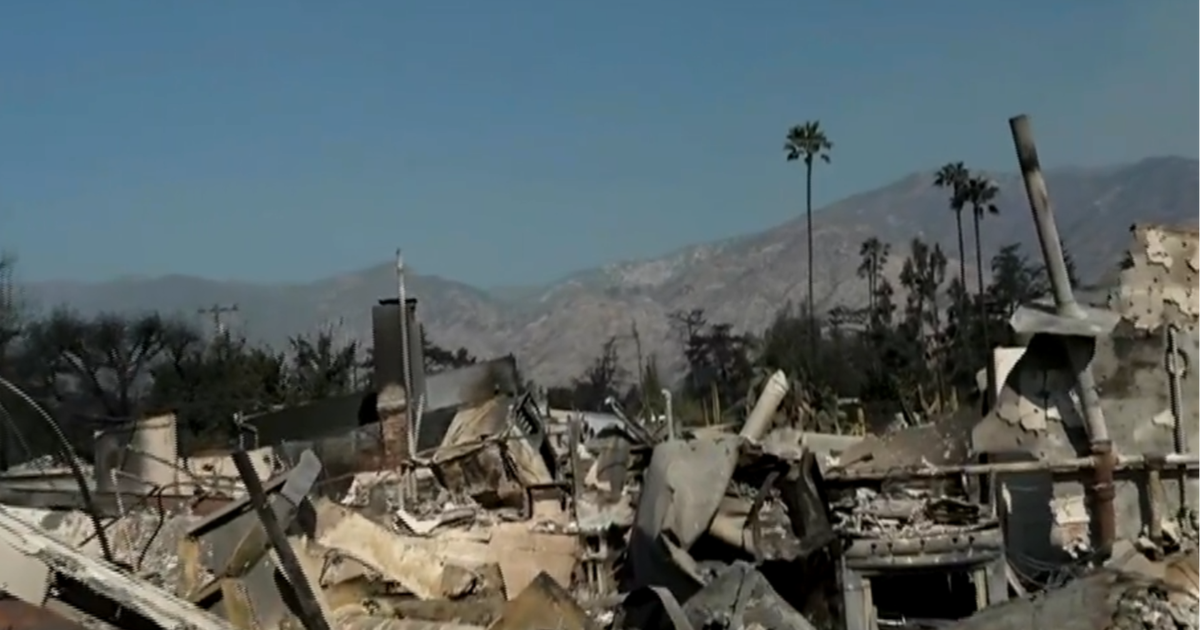
U.S. homeowners could see about $1.47 trillion in property value disappear over the next three decades as climate change pushes insurance costs higher and drives people away from riskier areas, according to a report released Monday by First Street Foundation.
The research group, which studies climate risk and real estate, said the financial squeeze is already showing up in expensive homeowners insurance. Its report says rising premiums are making large parts of major U.S. cities harder to afford.
First Street projects that national homeowners insurance premiums will climb by an average of 29.4% by 2055 because of climate-related weather risks. The group also estimates that extreme heat, wildfires and flooding will contribute to 55 million Americans moving within the U.S. over the same 30-year period, with more than 5 million relocations starting this year.
The report does not paint every housing market the same color. First Street said some properties are expected to gain value as people and money shift away from places facing greater climate pressure. Those gains are projected to total $244 billion, even as nationwide losses approach $1.5 trillion.
Jeremy Porter, First Street’s head of climate implications research, said in a statement that climate change is now a measurable force in housing markets and regional economies.
“Climate change is no longer a theoretical concern; it is a measurable force reshaping real estate markets and regional economies across the United States,” Porter said. “Our findings highlight the urgent need to understand how rising insurance costs and population movements are transforming the economic geography of the nation.”
Sun Belt pressure points
First Street’s data points to the Sun Belt as a major pressure zone. The report says California, Florida and Texas together have absorbed more than 40% of the country’s natural disaster costs since 1980.
By 2055, the group estimates insurance premiums will rise more than fourfold in Miami. It projects premiums will triple in Jacksonville, Tampa and New Orleans, and double in Sacramento, California.
The report also says some counties in California, Florida and Texas could see net property value drops of 10% to 40% by 2055.
Those projections land as parts of the country are already facing punishing disaster costs. CBS News reported that wildfires in the Los Angeles area last month killed dozens of people, forced tens of thousands to evacuate and damaged or destroyed thousands of structures.
First Street’s conclusion is blunt: climate risks, insurance bills and population shifts are expected to hit local housing markets unevenly. Some communities may gain value as people move in. Others, the report says, could see affordability erode and home equity shrink as the risks mount.
This story draws on original reporting from CBS News.