Colombia birding after peace deal opens paths to remote forests
A CBS report traces growing birding tourism in formerly hard-to-reach forests, while a broader conservation warning remains.
By Sal Moretti · Money Reporter
3 min read
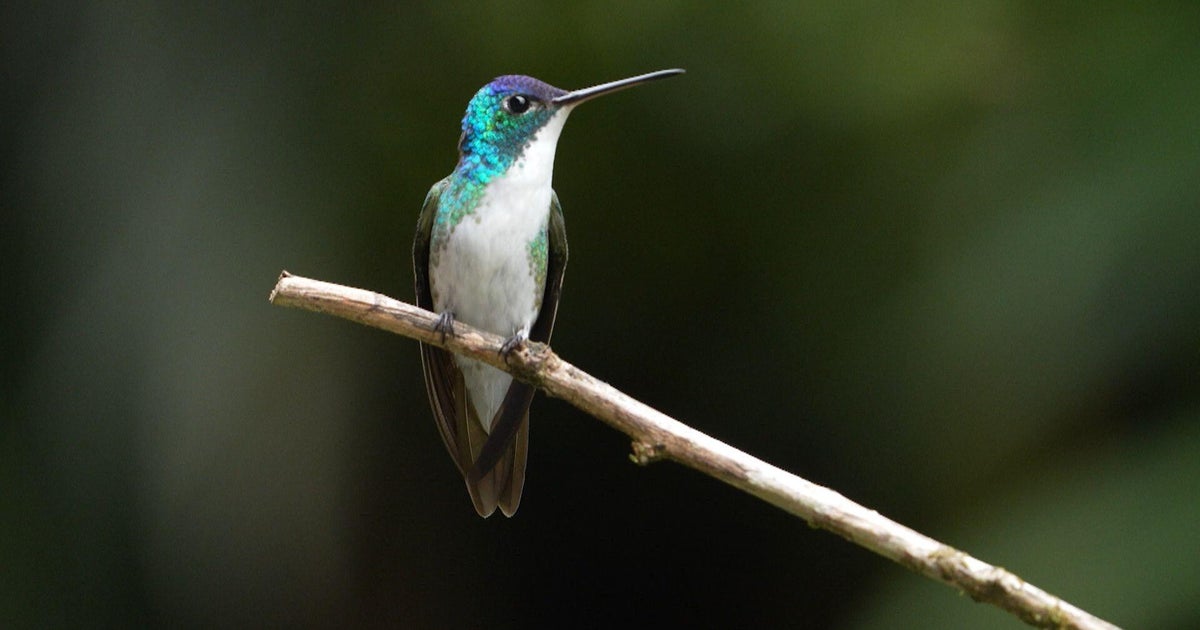
Colombia birding after peace deal has brought travelers toward remote forests that long sat behind the danger of armed conflict. A CBS News/60 Minutes report says birding tourism is growing in formerly difficult-to-reach parts of the country, including the western-Andes setting around Tatamá National Park.
The story carries a hard limit. The reporting documents intact habitat, bird sightings and greater access, not a survey showing that bird populations have increased at Tatamá or elsewhere.
How did Colombia’s peace deal change birding access?
Colombia’s government signed a peace agreement with the FARC, then the country’s largest left-wing guerrilla group, in 2016. CBS reported that travel has become safer since the deal, allowing birders to reach forests that had been inaccessible to most visitors during years of fighting.
Tatamá National Park lies on the western slope of the Andes in an area with few roads in or out. CBS described rain forest and rivers there, and reported sightings including blue-grey tanagers, cinnamon fly-catchers, purple-throated woodstars, violet-tailed sylphs, velvet-purple coronets, Empress brilliants and the Munchique wood wren.
Colombia has about 2,000 bird species, CBS reported. The country’s varied geography is part of that picture, but the report also examined an uncomfortable local effect of conflict: areas controlled or threatened by armed groups were difficult for people to enter.
A conservation paradox, not a victory for war
Birding guide Diego Calderón Franco told CBS that the presence of illegal armed groups had discouraged people from entering some areas to clear and burn habitat. That is his explanation for the condition of forests around the locations CBS profiled, rather than a measured finding that conflict improved biodiversity.
The human price was catastrophic. CBS reported that decades of conflict involving government forces, guerrillas, paramilitaries and narcotraffickers killed more than 450,000 people, most of them civilians, and involved 50,000 kidnappings.
Calderón Franco was among those taken. CBS reported that FARC fighters seized him and two colleagues during a 2004 expedition in northern Colombia. He said he was held for 88 days; three years after his release, he started a bird-tour business.
Does conflict protect Colombia’s forests?
Not as a general rule. Reporting by Mongabay from Colombia’s Amazon, a different region from Tatamá, found continuing threats against park rangers from illegal armed groups and restrictions on their movement. It also reported, citing government data, 10,299 hectares of forest loss inside Amazon protected areas in 2022.
Mongabay said studies found forest loss in Amazon protected areas rose after the 2016 agreement, as armed-group control shifted and illicit activity expanded in some places. Those findings do not establish conditions at Tatamá, but they show why a simple story of peace helping, or conflict preserving, forests does not fit every part of Colombia.
For now, the CBS account supports a narrower conclusion: improved access has made birdwatching possible for more visitors in some once-dangerous forests. It does not provide Tatamá-specific visitor totals, tourism revenue or proof that the birds themselves are flourishing.
This story draws on original reporting from CBS News.