Costa Rica coffee frog faces potential pesticide risk, researcher warns
Costa Rica’s newly identified coffee frog lives among coffee shrubs, but its tadpole waters may be vulnerable to farm chemicals.
By Sal Moretti · Money Reporter
3 min read
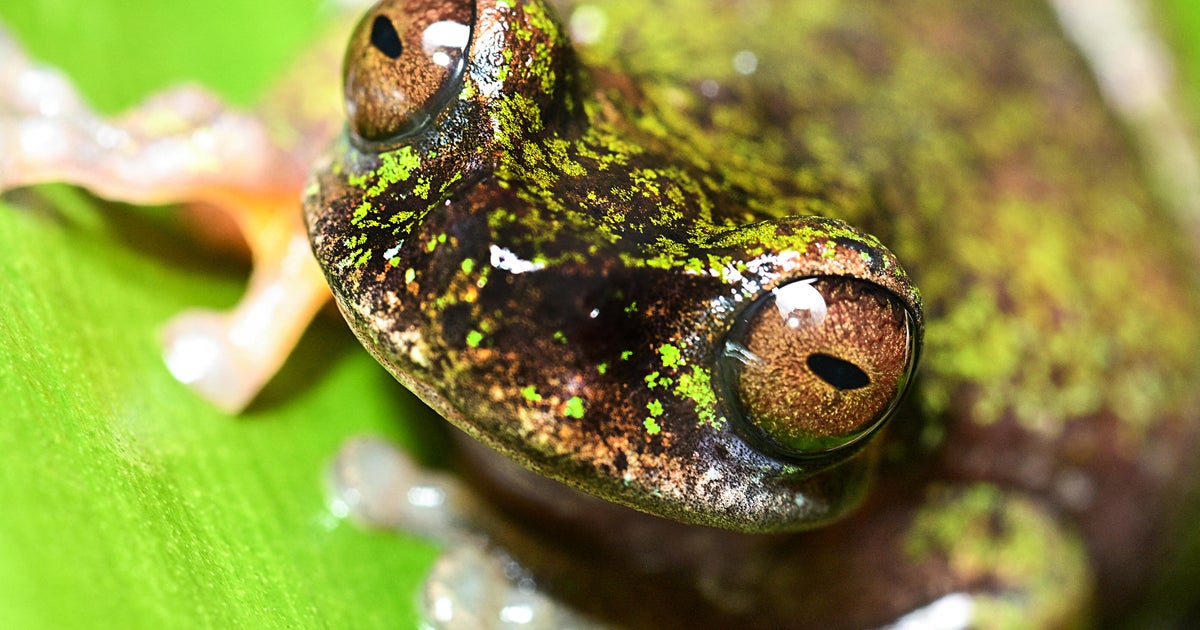
Costa Rica coffee frog pesticides are now part of the conservation question around a tiny, dark green-spotted tree frog reported from coffee country near San Lorenzo de Tarrazú. The animal, observed at under 4 centimeters long, is nocturnal, endemic to Costa Rica and has been identified in reports as Isthmohyla nacientes, or Rana de las nacientes.
The pesticide concern is a warning, not a documented finding of harm. Researcher Wagner Chaves-Acuña told AFP that agrochemicals used on plantations could move through the air and soil into the aquatic systems where the species’ tadpoles develop. No evidence supplied in the reports shows chemical sampling at the frog’s habitat, confirmed exposure, population decline or pesticide-related deaths in I. nacientes.
Why is it called Costa Rica’s coffee frog?
AFP reported that the frog uses coffee plantations for shade, moisture and small insect prey, rather than feeding on coffee berries. Chaves-Acuña said the frogs can be heard calling from coffee shrubs after dark.
The “coffee frog” is also called the spring frog. Males have a translucent throat that expands during their brief, high-pitched calls, according to AFP’s reporting. Scientists described it as a tree frog new to science, based on work by colleagues at the University of Costa Rica and Argentina’s National Council for Scientific and Technical Research.
What is known about the potential pesticide risk?
The reported concern centers on the water systems used by the frog’s tadpoles. Chaves-Acuña’s proposed pathway is that plantation chemicals could reach those systems after moving through air and soil, AFP reported.
That is a plausible concern requiring local evidence, rather than proof that this species has already been affected. Answering it would require information not included in the available reporting, such as which chemicals are used near the frog’s habitat, water or sediment testing, species-specific exposure studies and population monitoring.
There is related research involving another Costa Rican member of the same genus, but it does not establish effects on the coffee frog. A 2022 experiment summarized by PubMed found that tadpoles of Isthmohyla pseudopuma exposed to beta-endosulfan grew smaller at one tested concentration and developed more slowly at two concentrations. The study involved a different species under experimental conditions.
A species with a longer backstory
Costa Rica’s National Alliance for the Conservation of Amphibians and Reptiles, known as ANCAR, said the frog had first been seen in the 1960s but was mistaken for another species. CBS News reported that it was rediscovered and confirmed in 2021 through genetic and morphological studies.
ANCAR also cited waste dumping, increased tourism and vegetation loss linked to incursions into protected areas as additional possible threats, CBS News reported. Those claims, like the pesticide warning, point to risks that have been raised around the frog rather than independently documented impacts in the material available.
This story draws on original reporting from CBS News.