Covid vaccine injury compensation remains outside vaccine court
COVID vaccine injury claims still go through a stricter emergency program, leaving thousands outside the long-running vaccine court system.
By Frankie Delgado · News Reporter
4 min read
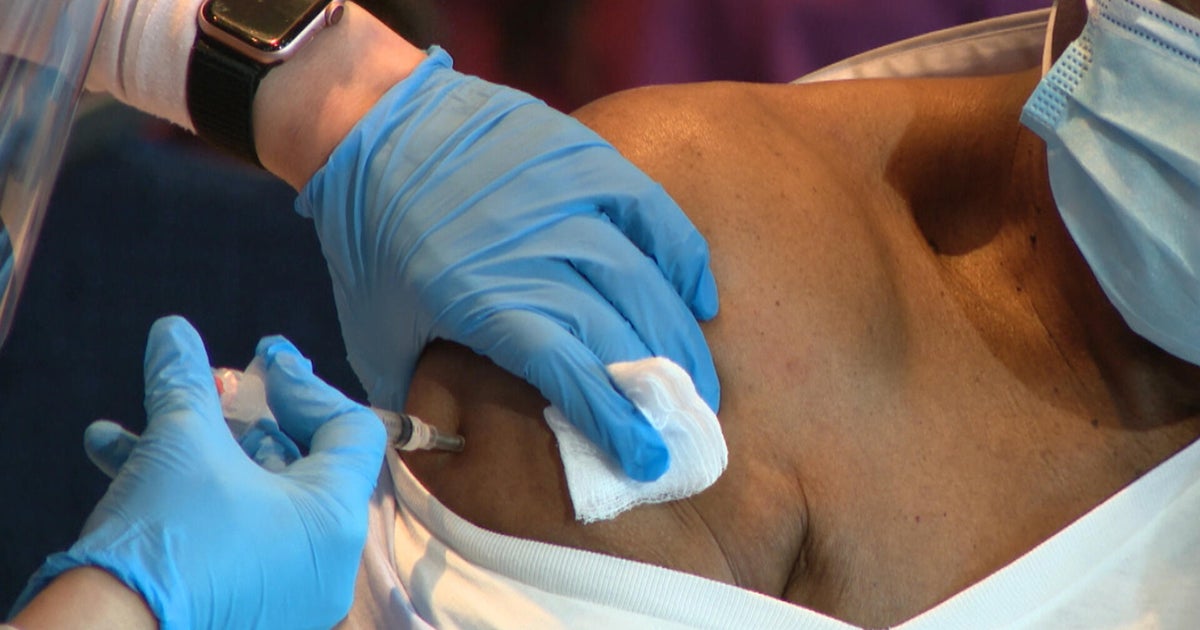
Covid vaccine injury compensation is still being handled outside the federal “vaccine court,” even as more than 11,000 people have filed claims saying they were harmed after receiving COVID-19 shots, CBS News’ 60 Minutes reported.
The reason is legal plumbing, not a finding that the vaccines fall outside safety review. COVID-19 vaccines remain covered by a separate emergency countermeasures system created for public health crises, while the older Vaccine Injury Compensation Program handles claims tied to vaccines listed on its Vaccine Injury Table.
Why isn't the COVID vaccine in vaccine court?
COVID-19 vaccines are not on the Vaccine Injury Table because they are still treated under emergency-preparedness rules, according to 60 Minutes. Claims for serious injury or death linked to COVID countermeasures go instead to the Countermeasures Injury Compensation Program, known as CICP.
That program is narrower than vaccine court. CBS News reported that CICP is an administrative system with a one-year deadline for claims, while vaccine court is a judicial process with a three-year deadline for vaccine injuries and can include compensation for pain and suffering.
The vaccine court is part of the Vaccine Injury Compensation Program, or VICP, which Congress created after lawsuits over the older DTP vaccine in the 1980s led most manufacturers to stop making it. The program was designed to give people a route to compensation while limiting legal pressure that could drive companies out of vaccine production.
VICP cases are decided without a jury by special masters, not regular civil-court judges. Claimants do not have to prove a manufacturer was negligent, but they must show that it is more likely than not that a vaccine caused the injury.
How vaccine court pays claims
The vaccine court fund is financed by a 75-cent tax on each dose of recommended childhood vaccines. Since the program began, about 13,000 Americans have received more than $5 billion in payouts, according to federal data cited by 60 Minutes.
The program began with six vaccines on its table and now includes 16 immunizations, including seasonal flu and HPV vaccines. Covered injuries can include a shoulder injury from an improperly placed shot or rare neurological conditions linked to vaccination.
As of June, more than 14,000 claims tied to COVID-19 countermeasures had been filed with CICP, including about 11,000 involving COVID-19 vaccination, according to Health Resources and Services Administration data cited by CBS News. More than 7,000 COVID-19 countermeasure claims had been denied, 109 had been found eligible for compensation, and 60 had been paid. The most common compensated injury was myocarditis.
Public health agencies, including the CDC, consider COVID-19 vaccines safe and effective. The CDC has pointed to clinical trials for the vaccines, and more than 676 million COVID vaccine doses had been administered in the United States as of May 2023, according to data cited by 60 Minutes. CDC COVIDVaxView data showed about 23.3 million doses of the 2025-26 COVID-19 vaccine had been administered as of April 25.
What would have to change?
For COVID-19 vaccines to move into VICP, three steps would be needed, according to 60 Minutes: the vaccine would need to be a recommended childhood vaccine again, Congress would need to create an excise tax to fund claims, and Health and Human Services Secretary Robert F. Kennedy Jr. would need to add it to the Vaccine Injury Table.
The CDC now recommends COVID-19 vaccination for people older than 6 months based on individual decision-making. Kennedy told 60 Minutes in an email last year that the CDC makes the underlying decision and that he “will accept their recommendations, including as to COVID vaccines.”
Legal experts cited by CBS News say the current setup leaves claimants in a tougher system. Renée Gentry, head of the Vaccine Injury Litigation Clinic at George Washington University Law School, told 60 Minutes that people who followed public health guidance are “being hung out to dry” in the countermeasures program.
Adding COVID-19 vaccine cases to vaccine court could bring its own strain. The number of special masters has remained at eight since the late 1980s, and the court’s chief special master warned Congress last year that the court’s ability to resolve cases efficiently would be “crippled” without more judicial officers.
The Department of Health and Human Services extended parts of the COVID PREP Act declaration in 2024, keeping liability protections for certain countermeasures, including vaccine manufacturers and distributors, through 2029.
This story draws on original reporting from CBS News.