D4vd preliminary hearing: what the 48 Hours episode covered
A July 24 Case by Case episode examines the evidence, prosecution theory and defense challenges in D4vd's preliminary hearing.
By Deshawn Carter · Sports Writer
3 min read
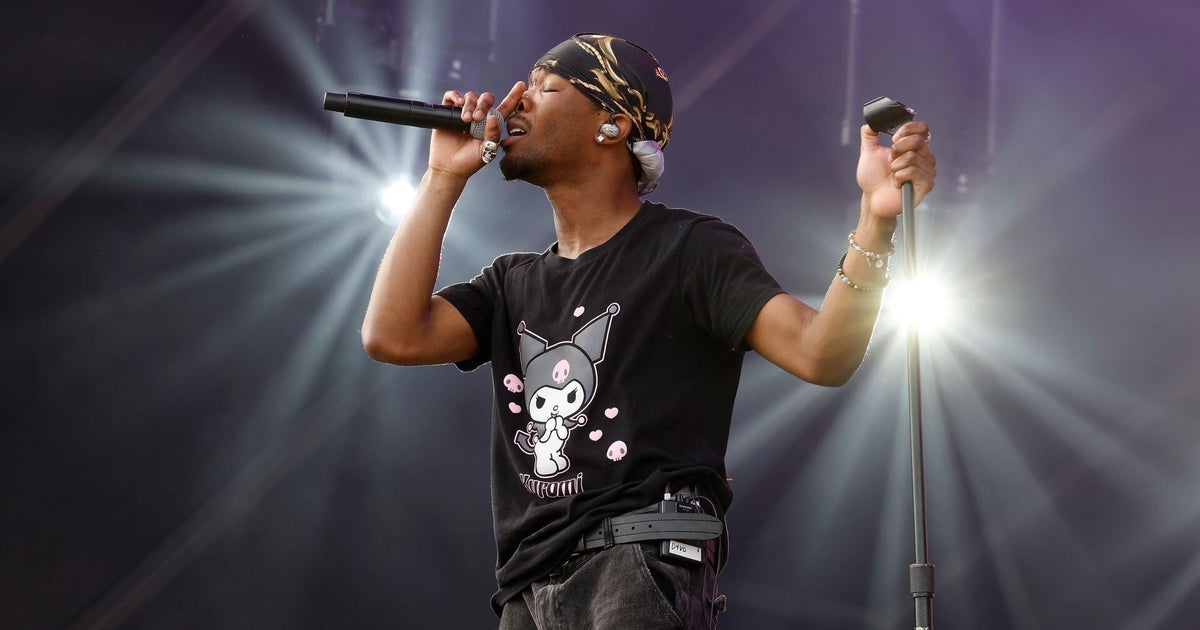
D4vd preliminary hearing coverage was the focus of a July 24 episode of CBS News’ Case by Case, in which correspondent Anne-Marie Green spoke with Los Angeles Times crime reporter Richard Winton about the case against singer David Anthony Burke, known professionally as D4vd.
Burke, 21, is charged with murder in the death of 14-year-old Celeste Rivas Hernandez, along with continuous sexual abuse of a child under 14 and unlawful mutilation of human remains, CBS reported. He has pleaded not guilty to all counts, and his attorneys have maintained he did not cause Rivas Hernandez’s death.
Rivas Hernandez’s remains were found on Sept. 8, 2025, in the front trunk of a Tesla registered to Burke after it was impounded at a Los Angeles tow yard, according to NBC Los Angeles. The medical examiner’s office listed her cause of death as multiple penetrating injuries caused by an object or objects.
What does D4vd’s preliminary hearing decide?
A preliminary hearing is not a trial and does not decide guilt. Prosecutors and defense lawyers present evidence to a judge, who determines whether there is sufficient proof for the case to continue to trial, as explained in the 48 Hours program.
The hearing had initially been expected to last at least three days, but NBC Los Angeles reported it entered a fifth day after testimony from investigators, criminalists and other witnesses.
What prosecutors presented
According to CBS, the episode examined the prosecution’s strategy and the evidence discussed in court. Local reports said that material included testimony about the Tesla, items recovered from Burke’s garage, purchase and digital records, and his music-related earnings.
Prosecutors alleged that Rivas Hernandez’s possible disclosure of a sexual relationship threatened Burke’s career, and they offered financial testimony in support of their theory of a career-related motive. ABC7 reported that witnesses put Burke’s earnings at at least $10 million from 2023 through 2025. Those claims are allegations, not findings of guilt.
Criminalists also testified about samples and apparent bloodstains from the garage and Tesla, ABC7 reported. NBC Los Angeles noted that a chemical test causing materials to glow can indicate blood, but can also react to substances including bleach.
How the defense responded
Burke’s lawyers used cross-examination to question how investigators handled and preserved evidence. FOX 11 Los Angeles reported challenges involving police logs, access to the Tesla, DNA testing and the decision not to retain or test certain physical items.
The distinction is central to the hearing: prosecutors must persuade a judge there is enough evidence to proceed, while the defense can probe whether the collection and interpretation of that evidence has gaps. The July 24 CBS episode framed those competing accounts, rather than offering a verdict on the allegations.
This story draws on original reporting from CBS News.