Derek Williams, CBS cameraman who covered Asia’s flashpoints, dies at 79
CBS News says Derek Williams, a longtime cameraman in Asia who filmed Vietnam and Tiananmen, died after Parkinson’s disease and cancer.
By Frankie Delgado · News Reporter
3 min read
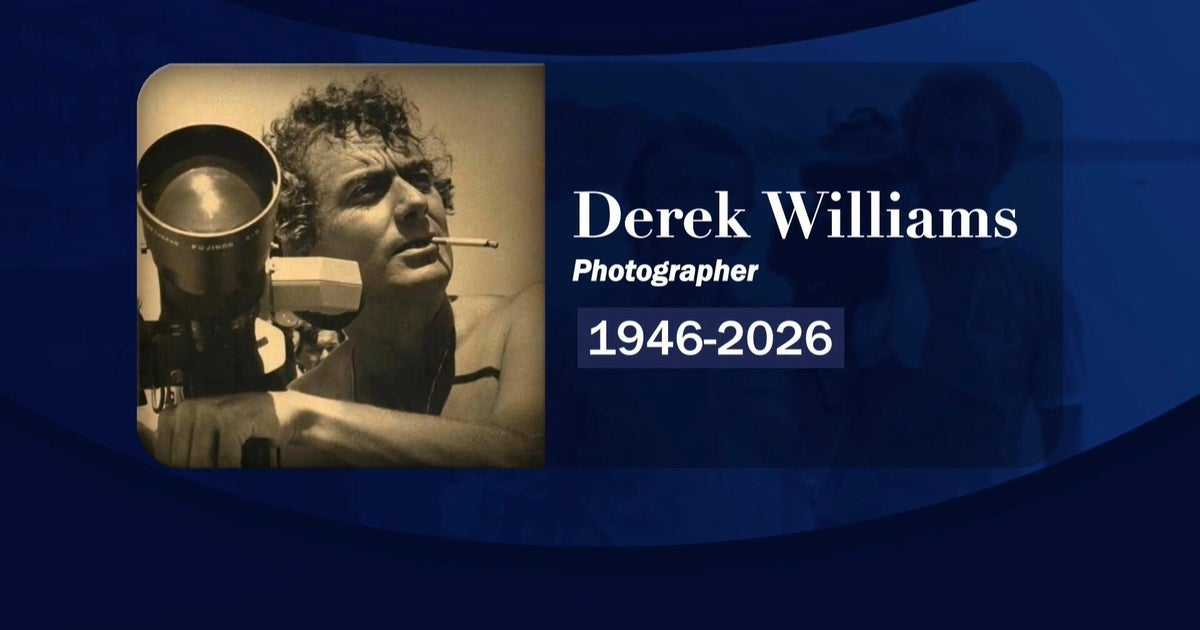
Derek Williams, CBS cameraman for four decades across Asia’s most dangerous news fronts, has died at 79, CBS News reported. His family said he died Wednesday after living with Parkinson’s disease and receiving a recent cancer diagnosis.
Williams built a career behind the camera at moments that shaped modern history, including the Vietnam War, the fall of Saigon and the Tiananmen Square massacre. CBS News said he also covered the first Iraq War and massacres in Beirut.
Who was Derek Williams?
Williams was a longtime CBS News cameraman whose work centered on Asia, where he filmed wars, uprisings and crises for roughly 40 years. His colleagues remembered him as a steady hand in danger, a mentor in the field and a journalist with a sharp eye for what was about to happen.
Susan Zirinsky, the former president of CBS News and president of See It Now Studios, described Williams as the kind of colleague someone would want beside them in a war zone. She called him intuitive and said he could sense events before they unfolded.
Zirinsky also remembered a more personal side of Williams, saying a group of friends received frequent emails from him that read like visual dispatches. She said her final email from him came on July 2, and that she would miss his humor, vision and humanity.
Dan Rather, the veteran CBS News journalist, said in a social media post that he was saddened by Williams’s death. Rather called him one of the bravest CBS News cameramen and said his images helped tell stories from the Middle East, South Asia and beyond.
How did Derek Williams start at CBS News?
Williams began with a three-month trial at CBS in Hong Kong. In a 2017 interview with the Australian Broadcasting Corporation, he recalled being shaken by the nature of the work early on and wondering whether he wanted to spend his life in that world.
He said a German cameraman he was working with told him that people in the job develop “rhino-skin.” Williams stayed, and the short trial became a long career covering some of the century’s fiercest news events.
Former CBS News foreign correspondent Allen Pizzey said he first worked with Williams in Beirut in 1982, when chaos was constant. Pizzey said Williams patiently taught him how to get a story on the air and, more importantly, how to stay alive while doing it.
Pizzey, who spent 36 years with CBS News, said the two worked together over several decades and remembered Williams as a cameraman, mentor and friend of the highest order.
What happened at Tiananmen Square?
In June 1989, Williams and CBS News correspondent Richard Roth were detained by Chinese authorities during the Tiananmen Square massacre, CBS News reported. They were later released and were relatively unharmed.
Williams also gave the Australian Broadcasting Corporation a vivid account from the final days before Saigon fell. He said that after intelligence officers warned the city would collapse, he married his Vietnamese girlfriend, used poker winnings to bribe a registry office to open on a Sunday, and persuaded New Zealand Embassy staff to issue his new wife a passport the next day while evacuations were underway.
After leaving Asia, Williams lived in California with his wife, according to CBS News. As his health worsened, he returned to New Zealand to be near family.
Keith Kay, a former cameraman and producer in Vietnam, said Williams was a joy and a privilege to work or spend time with, and said he felt lucky to have known him.
This story draws on original reporting from CBS News.