Exosome skin care is booming, but FDA approval is still missing
Dermatologists say exosomes may help skin repair and calm inflammation, but the trendy ingredient remains unapproved for cosmetic use by the FDA.
By Georgia Hale · Staff Writer
3 min read
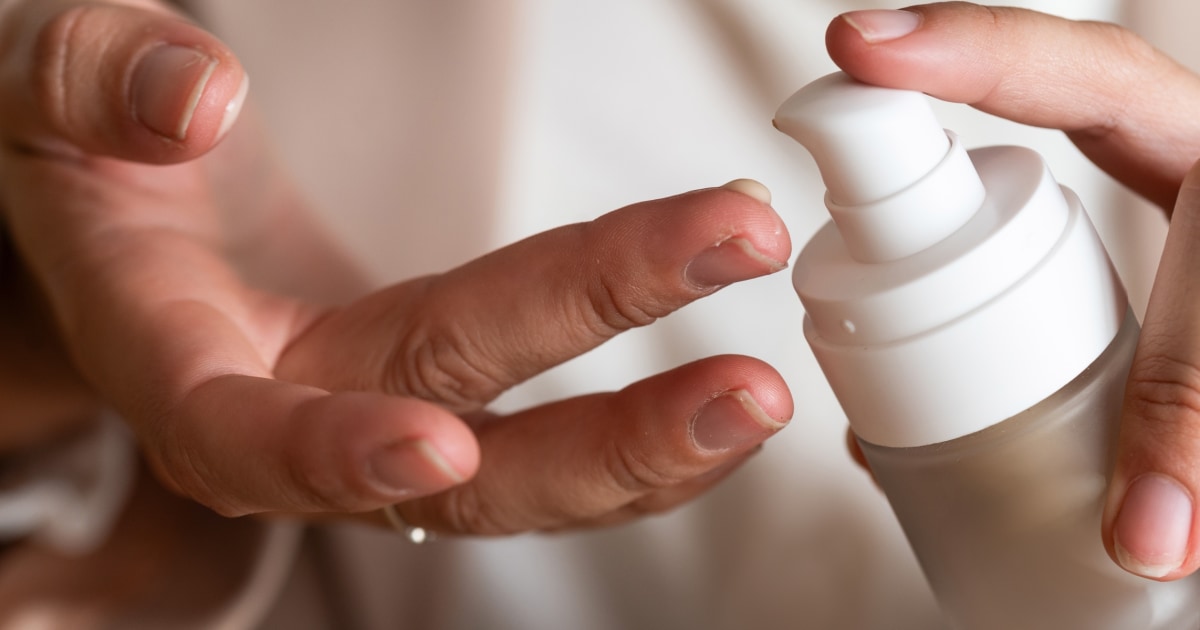
Exosome serums have moved from medical-grade treatments in Korea into the U.S. at-home beauty aisle, with brands pitching them as the next buzzy route to smoother, calmer, glowier skin.
Dermatologists interviewed by NBC Selected say the science is promising, but shoppers should keep one big caveat in mind: no exosome product is currently approved by the U.S. Food and Drug Administration for cosmetic use, according to Dr. Mona Gohara, a board-certified dermatologist at Dermatology Physicians of Connecticut.
Gohara said exosomes are attractive to beauty brands because they sound innovative. She also said their potential is real, while regulation has not yet caught up.
What exosomes do
Exosomes are tiny vesicles released by many kinds of cells, including skin cells, stem cells and platelets. They carry materials such as proteins, lipids, growth factors and genetic material, according to dermatologists cited by NBC Selected.
Dr. Corey L. Hartman, a board-certified dermatologist, said exosomes help skin cells communicate with each other. Gohara said they can act as messengers that tell cells to calm inflammation, repair damage and support collagen and elastin production, which decline with age.
Dr. Asmi Berry, a board-certified dermatologist in Los Angeles, said the genetic material carried by exosomes, including mRNA, can affect gene expression and encourage skin cells to behave in a healthier, more youthful way.
Berry said exosomes often appear in serums because those formulas may help them reach deeper into skin and stay more stable in products with low water content and fewer ingredients. She said creams and moisturizers can contain exosomes too, though those formats may reduce their impact.
The products getting attention
NBC Selected highlighted several exosome products, ranging from under $25 to more than $800.
- Plated Intense Serum, listed at $258, was recommended by Dr. Joshua Korman, a board-certified plastic surgeon. The brand says it uses human-derived, platelet-based exosomes obtained through U.S. blood banks, along with hyaluronic acid and antioxidants.
- The Inkey List Exosome Hydro-Glow Complex Serum, listed at $24 at Sephora and $22 at Amazon, contains plant-derived exosomes and is positioned as a lower-cost option.
- Skinfix Exo + Ectoin Retinol-Alternative Intensive Skin Barrier Repair Baume, listed at $69, was favored by Gohara and Hartman for sensitive skin. Gohara said it combines exosomes with ectoin to hydrate, soothe and strengthen the skin barrier.
- 111Skin Exosome Face Lift, listed at $825, is a two-step treatment with an Exosome Shot Serum and Exosome Overnight Mask, according to the brand.
NBC Selected also noted Medicube One Day Exosome Shot Serum, described by the brand as an over-the-counter, noninvasive alternative to microneedling. The formula uses spicules, which the brand describes as microscopic needle-like structures, and may cause tingling.
What shoppers should know
The ingredient is being marketed around familiar skin goals: less redness, fewer fine lines, improved hydration and a stronger skin barrier. Dermatologists cited by NBC Selected said exosomes may support those goals through cell signaling and repair.
That does not mean every jar or serum will perform the same way. The experts noted differences between human-derived and plant-derived exosomes, as well as differences in product texture, ingredient lists and delivery format.
The bottom line from the dermatologists: exosomes are a fast-rising skin care trend with real biological interest, but shoppers should weigh the price, formula and lack of FDA cosmetic approval before swapping out the rest of their routine.
This story draws on original reporting from NBC News.