FDA peptides review could open a path for some compounded treatments
An FDA advisory panel is weighing whether compounding pharmacies may make seven unapproved peptides for prescribed medical use.
By Frankie Delgado · News Reporter
3 min read
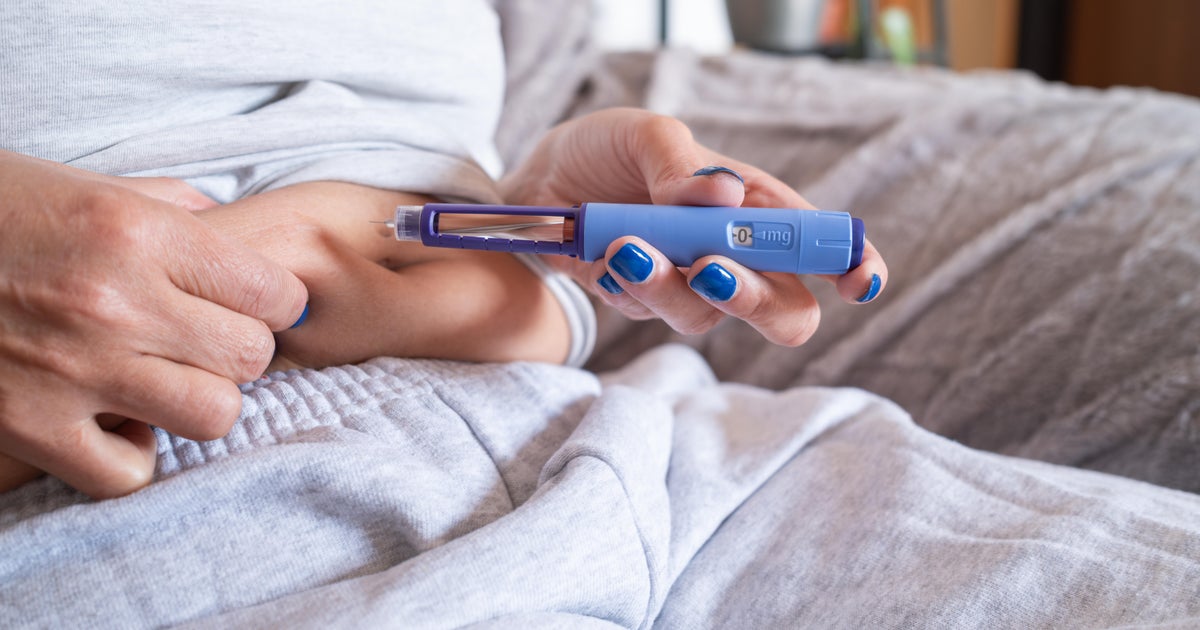
An FDA peptides review beginning this week could decide whether compounding pharmacies may fill prescriptions for seven unapproved peptide therapies, CBS News reported, as online demand for the treatments keeps climbing.
The Food and Drug Administration advisory panel is set to spend two days discussing whether the substances should be placed on a federal list of ingredients that can be compounded safely. Compounding pharmacies make customized medicines that are not available from standard drug manufacturers.
Any change would come with limits. Patients would still need a doctor’s prescription and a specific medical condition, according to CBS News. The panel’s action would not amount to FDA approval of the peptides.
What are peptides?
Peptides are short chains of amino acids, the components that make up proteins. The body makes some peptides naturally, and the FDA has approved more than 80 peptide-based products, including insulin, some skin-care products and GLP-1 medications.
The current debate centers on unapproved peptides, many of which are sold online as products for “research use only.” CBS News reported that these products often lack the clinical data and human trials used to support FDA-approved medicines.
Some of the unapproved therapies have been promoted online with claims that they can slow aging or boost muscle growth. Health and Human Services Secretary Robert F. Kennedy Jr. has said he is a “big fan” of the therapies and has used them for injuries, CBS News reported.
Which peptides are under review?
The advisory panel will look at seven peptides. One is BPC-157, a substance popular online and marketed with claims that it can help injuries heal and reduce inflammation.
Dr. Rachel Pessah-Pollack of NYU Langone told CBS News that BPC-157 has been tested in about 30 people. She contrasted that with GLP-1 drugs, which she said were tested in hundreds of thousands of patients.
Dr. Jessica Duncan, chief medical officer for IVIM Health, a for-profit company that prescribes FDA-approved peptides, told CBS News that demand is already pushing people toward unapproved products. Duncan, who is scheduled to testify before the panel, said she wants those conversations and education to happen in the exam room.
Why are doctors worried about gray-market peptides?
Many unapproved peptides can be bought online through what practitioners call a gray market. Health experts cited by CBS News said the risk is that buyers may not know whether the product is contaminated or impure.
Pessah-Pollack warned CBS News that people should be cautious about injecting a substance when they do not know what is in it. She said such products could contain dangerous contaminants, including arsenic or lead, and urged people to talk with their doctors.
How did FDA policy get here?
During the Biden administration, the FDA added nearly 20 peptides to the federal list of substances that should not be made by compounding pharmacies. FDA regulators said then that the substances posed significant safety concerns because they lacked sufficient testing, CBS News reported.
CBS News also reported that many of the FDA advisers and internal staff involved in that earlier decision are no longer with the agency.
Dr. Peter Lurie, a former FDA official who now leads the Center for Science in the Public Interest, told CBS News in April that he doubted the upcoming hearing would give unapproved peptides serious scrutiny because of Kennedy’s public support for them. Lurie said he believed the desired outcome was already clear to people involved.
This story draws on original reporting from CBS News.