Fed interest rate decision: Oil surge raises hike odds
The Fed is still expected to hold rates next week, but oil above $100 has traders betting a 2026 hike is back on the table.
By Deshawn Carter · Sports Writer
3 min read
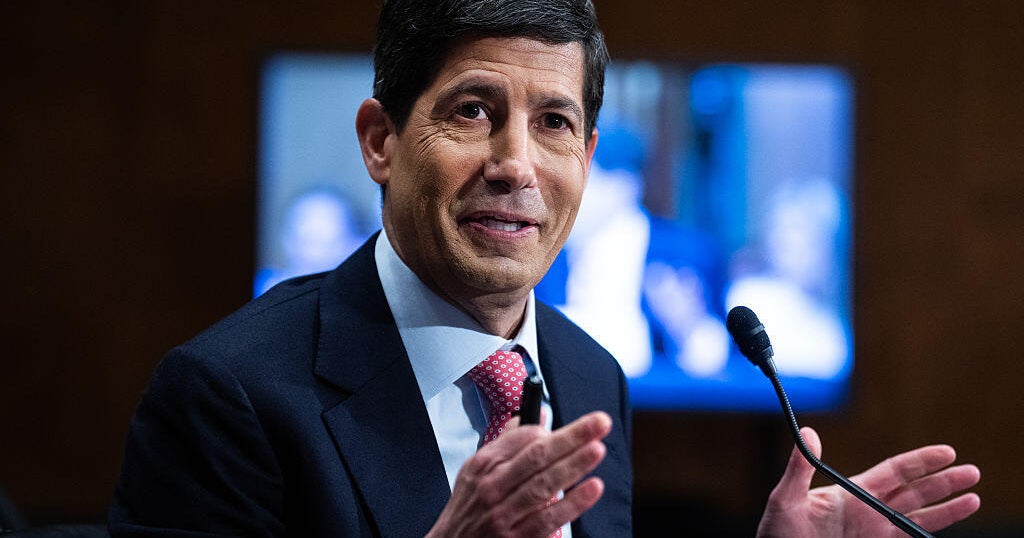
The Fed interest rate decision next week is expected to be a hold, according to economists polled by FactSet, but a jump in oil prices has made Wall Street less sure than it was a week ago.
The Federal Open Market Committee is scheduled to announce its decision on Wednesday, July 29, at 2 p.m. ET. Fed Chair Kevin Warsh is set to follow with a press conference at 2:30 p.m. ET.
FactSet’s survey of economists points to the Federal Reserve keeping its benchmark rate in a target range of 3.5% to 3.75%. If that happens, it would be the fifth straight meeting with no change.
The market mood has shifted fast. CME Group’s FedWatch tool, which tracks 30-day federal funds futures prices, put the chance of a rate increase next week at 38%, up from 12% a week earlier.
Will the Fed raise interest rates in July?
Most experts cited in the reporting still expect the Fed to stay put at the July meeting. The bigger concern is what happens later in 2026 if inflation keeps heating up.
Oil prices have climbed in recent weeks and topped $100 a barrel on Thursday, according to the reporting. Experts said that move could keep inflation pressure alive in the near term, especially because energy costs feed into prices across the economy.
At the start of the year, many economists expected at least one rate cut in 2026. Rising energy prices and stronger inflation have pushed some forecasters toward the opposite call: another increase before the year is over.
Nigel Green, chief executive of investment firm deVere Group, said in a July 23 email that the Fed’s case for holding rates steady looks tougher than it did only weeks earlier.
What is the federal funds rate?
The federal funds rate is the Fed’s key short-term interest rate target, and it influences borrowing costs across the economy. Changes can affect credit cards, auto loans, business borrowing and mortgage rates, though mortgage rates also move for other reasons.
The Fed has been trying to bring inflation back to its 2% target. Warsh has pledged to do that, while giving fewer public clues than investors may want about his next move.
At the Fed’s June meeting, Warsh declined to submit individual economic projections, according to the reporting. Nearly half of policymakers said then that they would support a rate hike later this year.
That split helps explain why the July decision is being watched so closely even if the base case is still no change. A hold would not end the debate over whether inflation has cooled enough for the Fed to stay on the sidelines.
What are economists saying about the rest of 2026?
Gregory Daco, chief economist for EY-Parthenon, said in a July 22 email that a July rate hike is still highly unlikely. He said the September FOMC meeting could be the first major test of whether recent inflation improvement lasts.
Daco said EY-Parthenon’s base case is that the Fed keeps rates unchanged through the rest of the year, calling it a “60–40 call.” Experts also said an escalation in the U.S.-Iran war could raise the chances of a rate hike later in 2026 if inflation flares again.
This story draws on original reporting from CBS News.