GLP-1 drugs linked to fewer long sick days in new labor study
A National Bureau of Economic Research paper found workers using GLP-1 drugs had 17% less long-term sick leave in Danish data.
By Sal Moretti · Money Reporter
3 min read
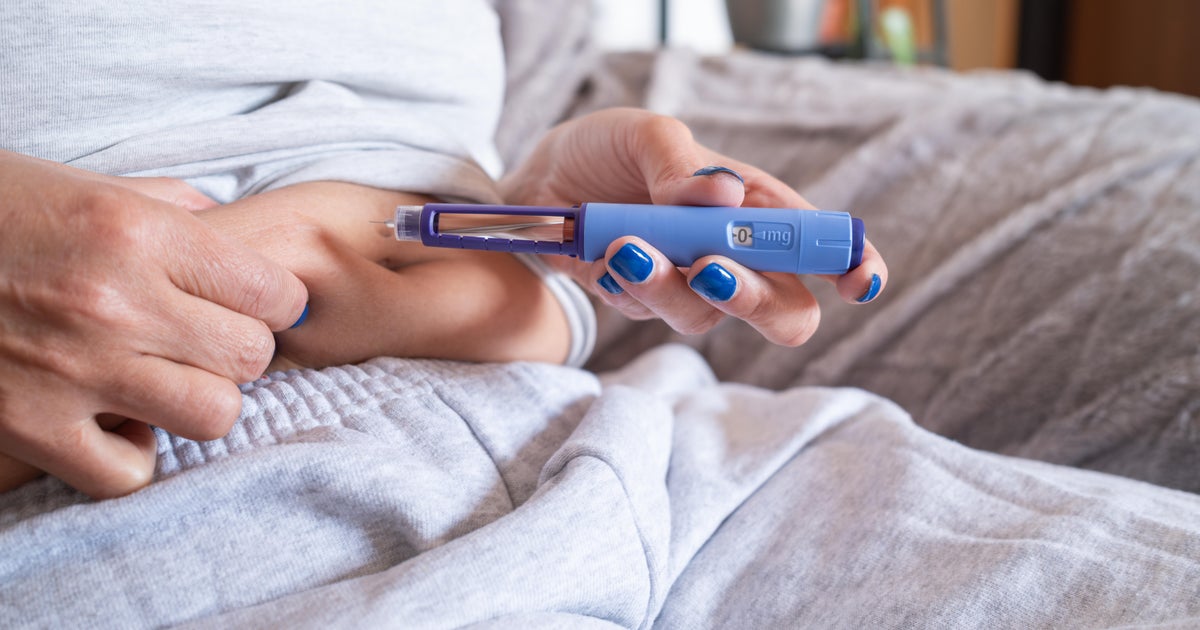
Workers taking GLP-1 medications such as Ozempic and Wegovy had 17% less long-term sick leave than comparable workers not using the drugs, according to a new economic study published by the National Bureau of Economic Research.
The paper, released this month, examined employee and prescription data from Denmark. Researchers defined long-term sick leave as illness-related time away from work lasting more than 30 days.
The drugs are prescribed for diabetes or obesity. Research has linked GLP-1 treatment to health improvements, including lower risk of major cardiovascular problems such as heart attacks and strokes, CBS News reported.
Jonathan Zhang, a Duke University professor and one of the study’s co-authors, told CBS News that those kinds of medical events are exactly the sort of health problems that can keep people away from work for extended periods.
“Those events, we'd imagine, would lead to long-term absences from work,” Zhang said. “So you can imagine the savings of not having those absences.”
Where the savings show up
The researchers estimated that the drop in absences could be worth up to 1.5% of a worker’s salary, or about $866 on average, according to the study.
The money does not flow the same way in every country. Denmark’s sick leave system is a major part of the findings. Employers there cover full pay for illness-related absences of up to 30 days, while the government pays for longer sickness leave beyond 30 days, according to the report.
That means fewer short-term sick days can reduce costs for employers. Fewer long-term absences can reduce costs for the government.
Zhang described the employer side to CBS News this way: “Imagine you take two days off, your employer would still pay your salary. Now they still pay your salary, but you don't take the time off,” he said, referring to patients using GLP-1 medicines.
Because Denmark’s public system pays for longer sickness leave, Zhang said the fiscal gain tied to reduced long-term absences would mainly show up for the government rather than the worker.
“There are fiscal benefits, but that doesn't look like savings for the patient or the individual, because sick leave benefits are so generous,” Zhang told CBS News.
What it could mean in the U.S.
Zhang said the findings may have relevance for the U.S. labor market, even though sick leave rules differ sharply from Denmark’s.
In the U.S., workers generally do not have the same broad paid sick leave protections described in the Danish system. Zhang told CBS News that some employees may report to work while ill instead of staying home, which can lower productivity.
“In the U.S., which doesn't have the generous sick leave policy of Denmark, people get sick and they go to work. They're less productive because they feel crappy,” Zhang said.
He also pointed to “presenteeism,” the term for showing up to work while health problems limit performance. If GLP-1 medicines reduce that, Zhang said companies could see productivity gains, while workers could accomplish more and potentially improve their chances for promotions.
The study adds a workplace angle to the economic debate around GLP-1 drugs, which have drawn attention for their medical effects and their costs. The report’s main finding is narrow but striking: in Danish data, workers taking the medications spent less time out on long illness-related leave.
This story draws on original reporting from CBS News.