Heat rash or sun poisoning? Derms say the difference is in the symptoms
Dermatologists say sweat, UV damage and warning signs like fever or nausea call for different summer skin responses.
By Georgia Hale · Staff Writer
3 min read
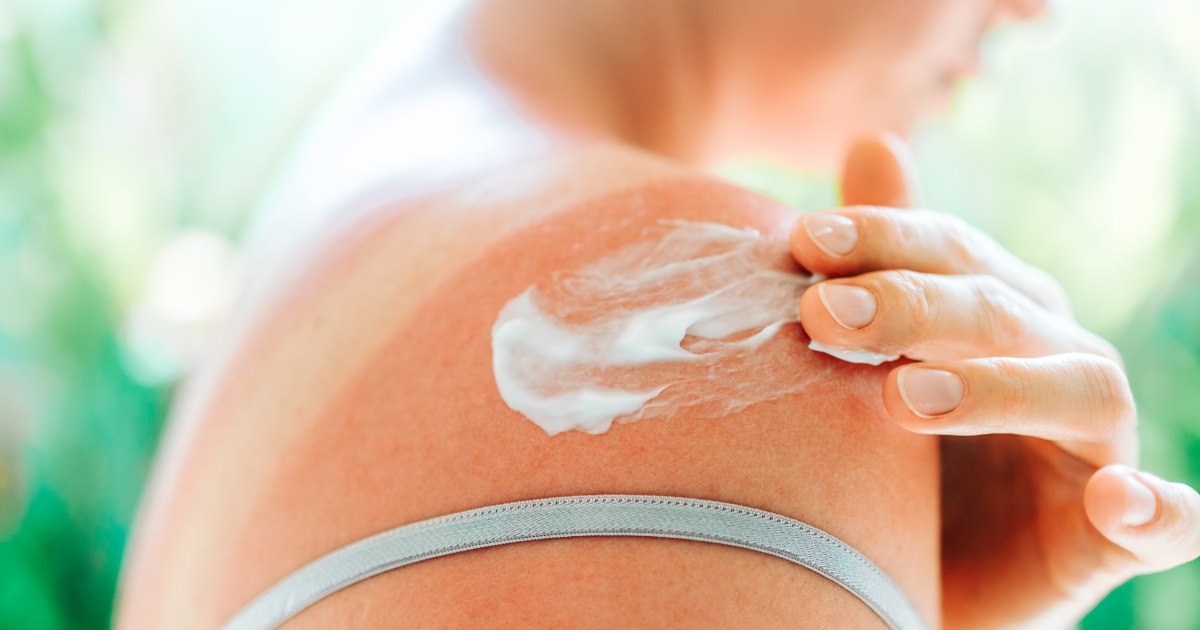
That angry summer rash may have nothing to do with the sun at all. Dermatologists say heat rash is driven by trapped sweat, while sun poisoning is commonly used to describe a severe sunburn with body-wide symptoms.
San Francisco board-certified dermatologist Caren Campbell says heat rash, known medically as miliaria, happens when sweat ducts get blocked and sweat is caught beneath the skin’s surface. It can appear after long stretches of sweating in hot, humid weather, especially under tight clothing that holds moisture against the skin.
Campbell says it often shows up as small red bumps or clear blisters on the neck, chest, arms, underarms, groin or other skin folds. The feeling can be itchy, prickly or irritating.
A sunburn is a different injury, according to Campbell. She says sunburn comes from ultraviolet radiation damaging skin cells, while heat rash can happen even when a person is not sitting in direct sunlight.
How dermatologists say to avoid heat rash
Campbell’s advice is blunt: keep skin cool, dry and free of sweat when possible. A handheld fan can help dry perspiration, and breathable clothing can cut down on moisture trapped against the body.
She also recommends limiting long periods in heat and sun, choosing sweat-wicking clothing when useful, and considering UPF hats, swimwear or clothing for extra sun protection.
Heavy face and body creams can make things worse because they may block sweat ducts, Campbell says. If a rash appears, she says a gentle antibacterial cleanser may help because bacteria on the skin can contribute to duct blockage. For itch, she says topical hydrocortisone is an option.
Kids can get it, too
Jennifer Mancuso, a pediatric dermatologist at the University of Michigan, says infants and toddlers commonly develop heat rash because their skin is more sensitive than adult skin. She says it usually appears as small red bumps.
Mancuso says prevention in children follows the same playbook: dress them in breathable clothing and keep them cool and dry. She notes that this can be harder when infants or children are prone to fevers.
If a child’s heat rash is itchy, Mancuso recommends a topical cortisone. Campbell also points to over-the-counter sensitive-skin moisturizers that are fragrance-free.
When a sunburn becomes more serious
Campbell says “sun poisoning” is not a formal medical term, but it is typically used for a severe sunburn that comes with additional symptoms.
A regular sunburn usually involves red, tender, warm skin in areas exposed to the sun, Campbell says. The more concerning version can come with fever, chills, blistering, nausea, dizziness and dehydration.
To help prevent severe sunburn, Campbell recommends sunscreen with SPF 30 or higher, reapplied every two hours. She also advises avoiding the sun between 10 a.m. and 2 p.m., when it is strongest.
Hydration matters, too. NBC Selected’s guidance includes electrolyte packets, antiperspirant to reduce sweat-related water loss and handheld fans as tools for staying safer in the heat.
For an ordinary sunburn, Campbell recommends cool compresses or showers, aloe vera, fragrance-free moisturizer, ibuprofen for pain and water. If blisters develop, she says they should be left alone because they help protect the skin barrier.
Medical care is needed right away if symptoms suggest sun poisoning, including fever, chills, dehydration, blistering or nausea, Campbell says. She also warns that sunburn can occur alongside heat exhaustion or heat stroke, conditions that call for emergency care.
This story draws on original reporting from NBC News.