Your sheets are probably due for a wash sooner than you think
Laundry experts say most sheets need weekly washing, with pillowcases, pets and sweaty sleepers calling for a faster laundry rotation.
By Georgia Hale · Staff Writer
3 min read
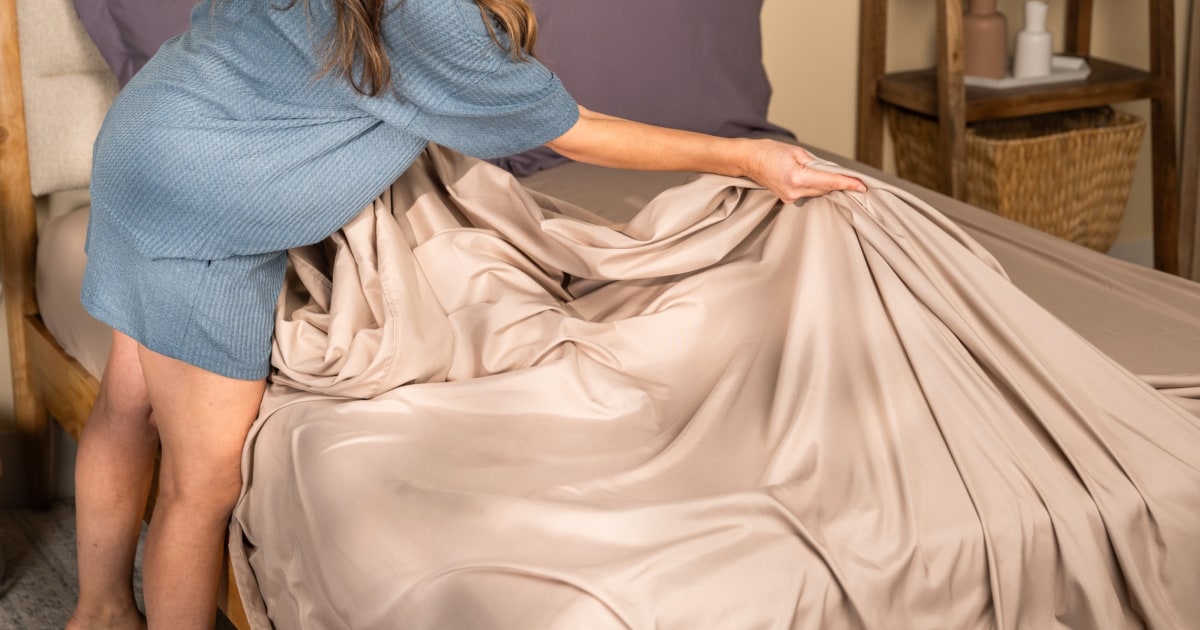
If your bed has been coasting on vibes, the laundry experts have a tighter timetable: fitted and flat sheets generally belong in the wash about once a week, according to Salvador Villarreal, owner of San Diego laundry service VIP Cleaners & Laundry.
The schedule changes by layer. Villarreal recommends washing pillowcases every three to seven days, duvet covers every two to four weeks, and comforters or duvet inserts at least every three weeks.
That once-a-week sheet rule gets bumped up for some households. Villarreal says people with allergies, or pets that sleep in the bed, should consider changing sheets twice weekly and cleaning duvet covers and inserts every two weeks. Mattress protectors can usually be washed every one to two months, he says.
When clean sheets are still ready for retirement
Washing keeps bedding fresh, but it does not make sheets immortal. Villarreal says sheets generally should be replaced every two to five years, depending on the bedding type and how often it has been washed.
The warning signs are visible and tactile: stains that will not lift, thinning fabric, pilling, tears and weakened elastic. Villarreal says duvet covers often last longer because they sit over and shield the comforter, while fitted sheets tend to wear out first because they take constant friction.
Kim Romine, a fabric care scientist at Tide, also points to fitted sheets as the bedding piece most likely to need replacing sooner. She says fraying along edges and seams is another cue that a sheet may be past saving.
How to wash bedding without beating it up
Villarreal recommends warm water between 90 and 105 degrees Fahrenheit for sheets, saying that range helps clean the fabric while limiting damage. He also advises giving bedding enough space in the washing machine rather than packing the drum tight.
More detergent is not a shortcut. Villarreal says excess detergent can leave residue behind and make fabric feel stiff. For drying, he recommends medium heat and taking sheets out promptly to reduce wrinkling and help the fabric last longer.
Romine says bedding should be washed separately from towels and other items when possible. Her reason: sheets can collect sweat, body oils, skin cells and personal care products, and a crowded wash load gives detergent and water less room to work.
Pets, sweat and allergies change the math
Hot sleepers may need to wash sheets every few days rather than weekly, according to Romine, because bedding that comes into regular contact with perspiration soils faster. She also says pet owners who let dogs or cats sleep in bed should wash bedding more often than the baseline recommendation.
Romine says pets can leave hair, dander, dirt and other outdoor debris in bedding. She adds that sheets also collect dust and common environmental allergens over time.
For shoppers replacing or maintaining bedding, the products highlighted in the guidance included Arm & Hammer Super Washing Soda, OxiClean White Revive Laundry Whitener and Stain Remover, Buffy Breeze Sheet Set and Utopia Bedding Queen Size Mattress Protector. Product claims were attributed to labels, brands, reviewers or shoppers in the recommendations.
The bottom line from the laundry pros: weekly sheet washing is the standard, pillowcases need more attention, and any bed shared with pets, allergens or heavy sweating should move to a faster cycle.
This story draws on original reporting from NBC News.