Iran attacks U.S. forces as Saudi jets join strikes in Iraq
The U.S. military said it intercepted all Iranian missiles and hit Iraq sites with Saudi forces after a short pause in fighting.
By Frankie Delgado · News Reporter
4 min read
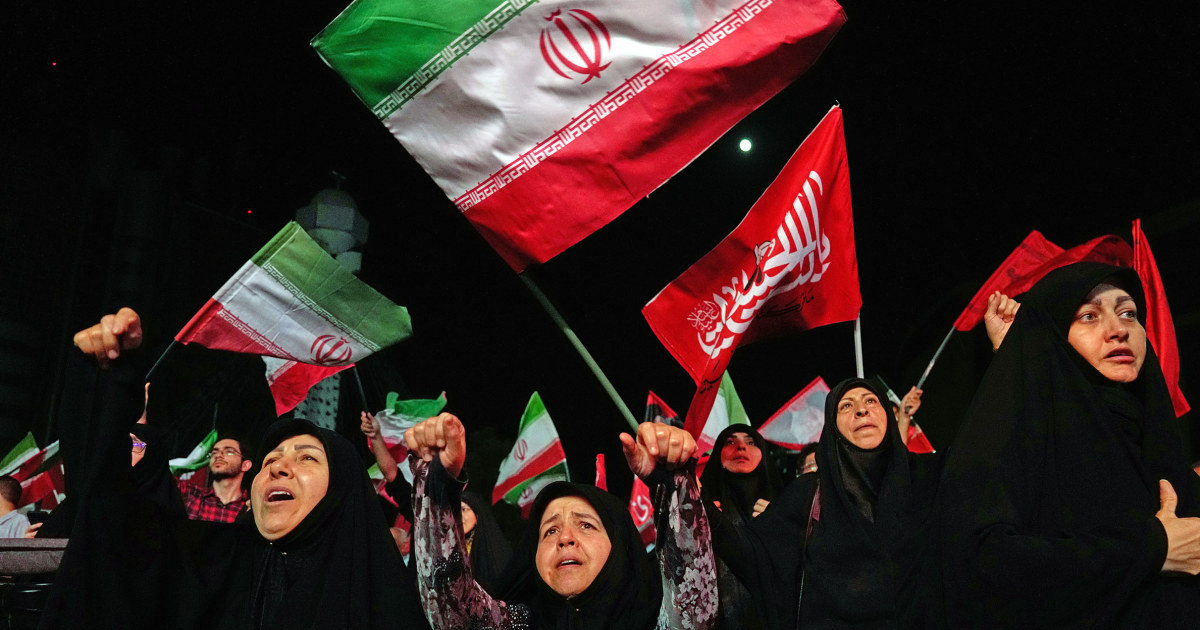
Iran attacks U.S. forces again after a brief lull: the U.S. military said Tuesday it intercepted every Iranian missile aimed at American troops in the Middle East, then carried out strikes with Saudi Arabia on sites in Iraq used by Tehran-backed militias.
U.S. Central Command said American forces “remain vigilant and at a high state of readiness.” It also warned that more attacks on U.S. troops or Saudi energy sites could bring further military action.
There was no immediate response from Tehran to the U.S. military’s account or to the strikes in Iraq, according to The Associated Press.
Why did the U.S. and Saudi Arabia strike sites in Iraq?
U.S. Central Command said American and Saudi fighter aircraft hit multiple logistics and weapons locations in eastern Iraq after more than 30 aerial drone attacks in 72 hours that it attributed to Iran’s Islamic Revolutionary Guard Corps.
The command said the Revolutionary Guard and allied groups must stop the attacks to avoid more U.S. military response. A U.S. official told The Associated Press that Iran’s ballistic missile attack happened before the U.S.-Saudi strikes, and said the two operations were not connected. The official spoke anonymously to discuss sensitive military activity.
Saudi Arabia’s Defense Ministry confirmed the strikes in a social media post and said the kingdom does not seek escalation but will answer aggression against it.
The renewed fighting ended several quiet days between Washington and Tehran after weeks of escalation around the Strait of Hormuz, the narrow Persian Gulf waterway that normally carries 20% of the world’s traded oil, according to The Associated Press.
The conflict has also piled pressure on President Donald Trump. Four U.S. troops have died during the fighting in recent weeks, and the Pentagon has asked Congress for more money to cover rising war costs, according to The Associated Press.
High gasoline prices linked to the disruption around Hormuz have added to Republican worries ahead of November’s midterm elections. Last week, the U.S. House narrowly approved a resolution seeking to stop military action in Iran, a sign of growing unease in Congress, according to The Associated Press.
Trump told Fox News Channel earlier Tuesday that Iran knows he will “finish the job” if its leaders do not reach a deal to end the war. The Associated Press reported that Trump has repeatedly stepped back from threats to strike infrastructure such as bridges and power plants.
What did Saudi Arabia say about drone attacks?
Saudi Arabia said Tuesday that it shot down drones launched by Iran-backed militias in Iraq for a second straight day. Its Defense Ministry said air defenses intercepted and destroyed several drones that tried to target petroleum facilities in the kingdom’s eastern region.
Iraqi Prime Minister Ali al-Zaidi ordered security agencies to investigate after Saudi Arabia alleged a similar attack Monday. Iraq’s military said the country is committed to preventing its territory from being used as a launch point or route for attacks on friendly countries.
Iraqi militias denied involvement. The Islamic Resistance in Iraq, an umbrella group of Iran-backed armed factions, called the Saudi accusations “fabrications” and suggested Monday’s attacks were carried out by Yemen’s Houthi rebels, who had claimed attacks on Saudi oil facilities.
The Houthis also said they fired missiles at the Saudi oil tanker NCC Ghazal and forced it to turn around after announcing a blockade of Saudi shipping last week. The United Kingdom Maritime Trade Operations Center said a tanker in the southern Red Sea reported hearing explosions, but did not identify the vessel and said both ship and crew were safe.
Iran and the U.S. had paused fighting over the weekend while officials said mediators had made progress toward getting both sides back to talks. Iran said earlier Tuesday that previous U.S. strikes had destroyed an airport and a marine control tower and damaged 12 bridges and two tunnels, among other infrastructure.
This story draws on original reporting from NBC News.