Iran Oman talks test Strait of Hormuz pause as U.S. holds fire
Iran denied direct U.S. negotiations but confirmed Oman talks on Strait shipping as Washington paused strikes and sent more forces.
By Frankie Delgado · News Reporter
3 min read
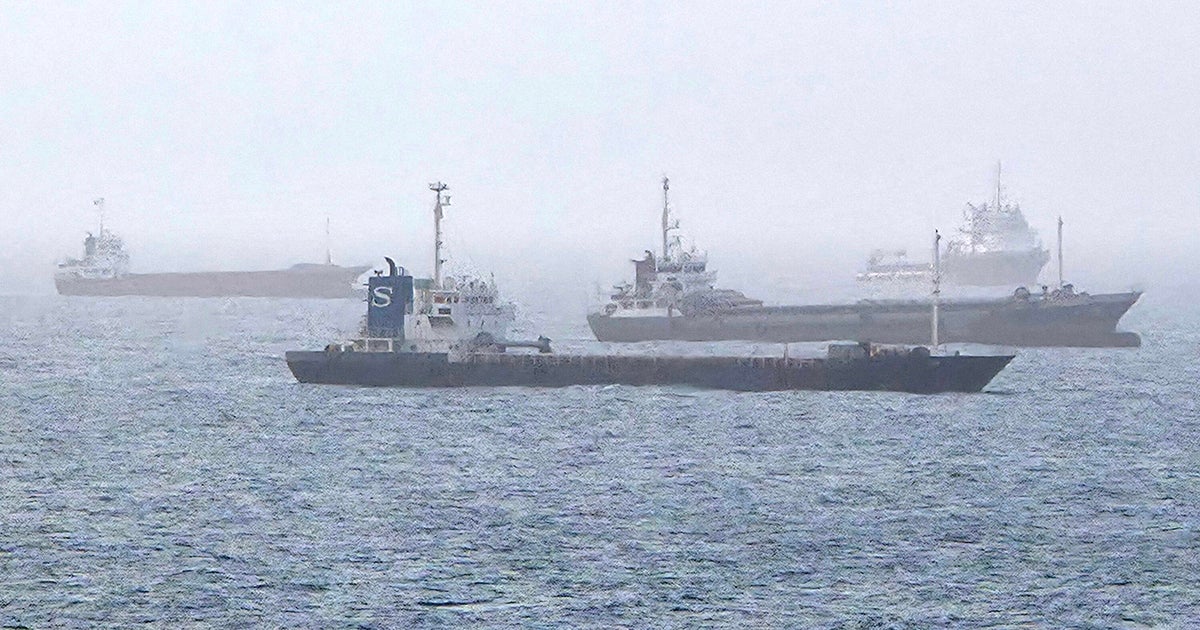
Iran Oman talks are now the center of a fragile break in fighting, with Tehran denying direct negotiations with Washington while confirming discussions with Oman over ship traffic in the Strait of Hormuz.
Iranian Foreign Ministry spokesman Esmael Baqaei told reporters in Tehran on Monday that recent discussions had been “exclusively with Oman,” according to CBS News. He said Iran and Oman, which both border the strait, were working on “mechanisms regarding maritime traffic.”
Baqaei said Iran is not holding current talks with the United States. He said negotiations that have drawn outside interpretation are the talks with Oman over arrangements for the strait.
The diplomatic push follows several nights of relative calm in the U.S.-Iran war. U.S. Ambassador to the United Nations Mike Waltz told “Face the Nation with Margaret Brennan” that the pause in strikes is meant to give diplomacy room, while warning that more U.S. military assets are heading to the region.
Are Iran and the U.S. talking directly?
Iran says no. Baqaei said Monday that Tehran has no current negotiations with Washington and that the active discussions are with Oman about shipping through the Strait of Hormuz.
An Iranian official told CBS News’ Margaret Brennan on Sunday that weekend talks between Iranian and Omani officials were constructive and that efforts to reopen the strait were moving in a positive direction.
Waltz said the United States would judge the situation over the coming days. He also said additional military assets are “moving into the region” and said Iran should take President Trump seriously when he says U.S. forces are “locked and loaded.”
CBS News reported that U.S. Central Command paused bombings Friday and Saturday after 13 straight days of strikes. Tehran also paused bombings on Sunday, according to the report.
In a July 10 letter, Trump formally notified Congress that hostilities against Iran had resumed on July 7, CBS News reported. Operation Epic Fury, described by CBS News as the joint U.S.-Israeli military campaign against Iran, began Feb. 28.
What is happening in the Strait of Hormuz?
The Strait of Hormuz is the vital waterway between Iran and Oman. Before the war, it was considered an international waterway, according to CBS News and The Associated Press.
Iranian state television reported Monday that the Revolutionary Guard’s navy stopped six vessels that tried to use routes not approved by Iranian authorities. A state TV correspondent said the ships were turned back after warning shots were fired.
State TV had earlier reported one vessel was involved in an unspecified incident. On Saturday, the Revolutionary Guard said it had stopped four vessels in the southern part of the strait after firing warning shots, according to AFP.
Iran has effectively blockaded the Strait of Hormuz since the Middle East war began in late February, AFP reported. Baqaei said Sunday that the strait’s status remained unchanged while Iran and Oman continued talks on safe transit.
The U.S. military said Saturday its reimposed naval blockade against Iran was continuing, with a dozen commercial ships redirected, two disabled and two boarded, according to CBS News and AP. U.S. forces said they remained highly vigilant and ready.
Trump and Defense Secretary Pete Hegseth have said the strait is already open and under U.S. control, while Tehran says it still controls the waterway, CBS News reported.
A U.S. official told CBS News that more than 400 U.S. service members have been flown out of the Middle East for treatment since Operation Epic Fury began, though the official said most cases were not combat-related.
Israeli Prime Minister Benjamin Netanyahu told Fox News’ “Sunday Morning Futures” that he supports Trump’s pressure on Iran to end its nuclear program. Ahead of a Washington visit, Netanyahu said he expected to hear what Trump “has in mind,” calling it the president’s decision in many ways.
This story draws on original reporting from CBS News.