Iran Strait of Hormuz reopening tied to sweeping U.S. demands
Iran says the Strait of Hormuz will stay closed unless the U.S. meets broad demands, even as Oman-mediated navigation talks continue.
By Deshawn Carter · Sports Writer
3 min read
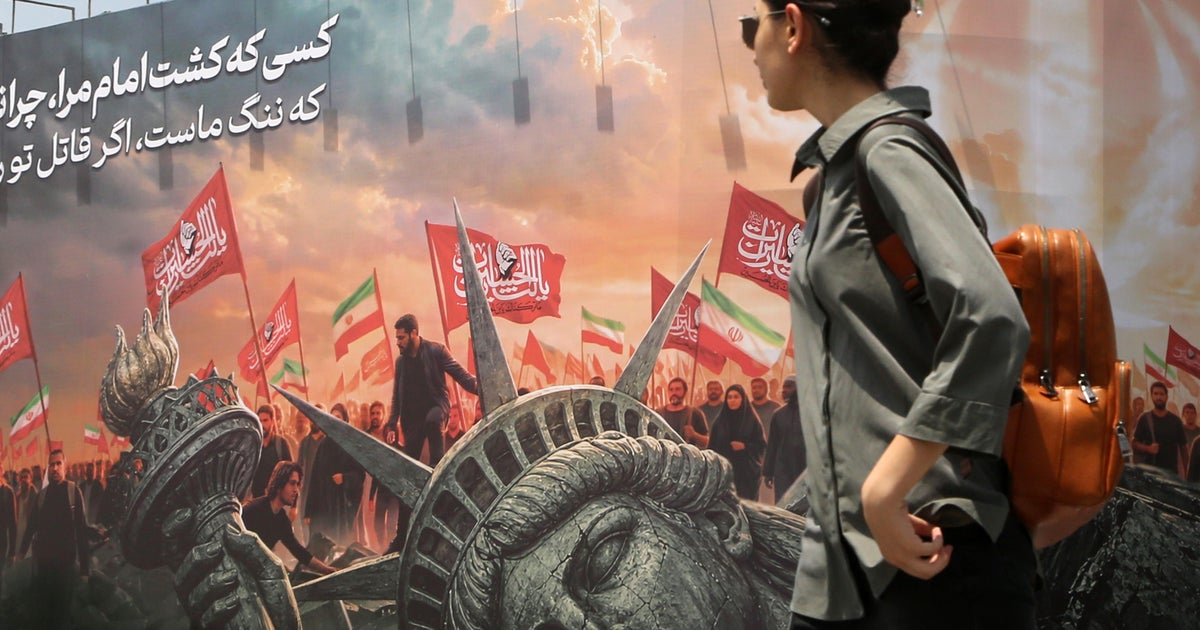
Iran’s Strait of Hormuz reopening will not happen until the United States “corrects its behavior,” the country’s Supreme National Security Council said Saturday, attaching a wide list of political and military demands to the waterway’s return to normal traffic.
The statement, published by Iranian state broadcasting and attributed to council secretary Mohammad Bagher Zolghadr, came as Oman continued to mediate separate discussions over navigation through the strait. The Associated Press reported the U.S. had not immediately responded to Iran’s new terms.
What conditions did Iran set for reopening the Strait of Hormuz?
Iran’s council said Washington must stop threatening Iran, permanently end the war with Iran and its armed allies, lift the naval blockade of Iranian ports and withdraw U.S. military forces from the area, according to the AP report carried by CBS News.
It also demanded compensation for war damage, sanctions relief and the unconditional release of Iranian assets that have been frozen. Those are Iranian demands, not agreed terms.
The reported U.S. position was that an acceptable agreement on the strait should come before the blockade ends. Under an interim agreement signed in June, a timetable for sanctions relief and compensation was expected to form part of a final deal, while talks would also cover frozen assets, CBS News reported.
Navigation talks continue, but reopening remains separate
The negotiations involving Oman appear to be running alongside the dispute over full reopening. Iranian Foreign Minister Abbas Araghchi said Saturday that talks on navigation were nearing their final stages, including the determination of a transit route, but said that did not signal the strait would reopen.
Oman described the discussions as proceeding in a “positive and constructive atmosphere,” while condemning attacks on ships in the waterway. The strait runs between Iran and Oman and is a key passage for global oil and natural-gas supplies, according to the Associated Press.
The 60-day window for a final agreement had just over a week remaining as of Aug. 8 and could be extended, the AP reported. No resolution to Iran’s broader demands was announced.
Ship strike adds pressure to negotiations
The diplomatic push unfolded after an ADNOC-owned vessel was struck while transiting the strait, UAE authorities said. The UAE attributed the attack to an Iranian missile; ADNOC said there were no casualties.
Separately, the United Kingdom Maritime Trade Operations center reported that a vessel east of Khasab, Oman, was hit by a projectile that started a fire, which was later extinguished. It was unclear whether that report involved the same incident, according to NBC News.
Iran’s new conditions leave the central issue unresolved: Oman’s discussions may produce arrangements for navigation, but Tehran says a broader reopening depends on U.S. action well beyond those talks.
This story draws on original reporting from CBS News.