Iran strikes pause gives diplomacy room, Mike Waltz says
Mike Waltz said the U.S. pause in Iran strikes is giving talks time, while more American military assets move into the region.
By Deshawn Carter · Sports Writer
3 min read
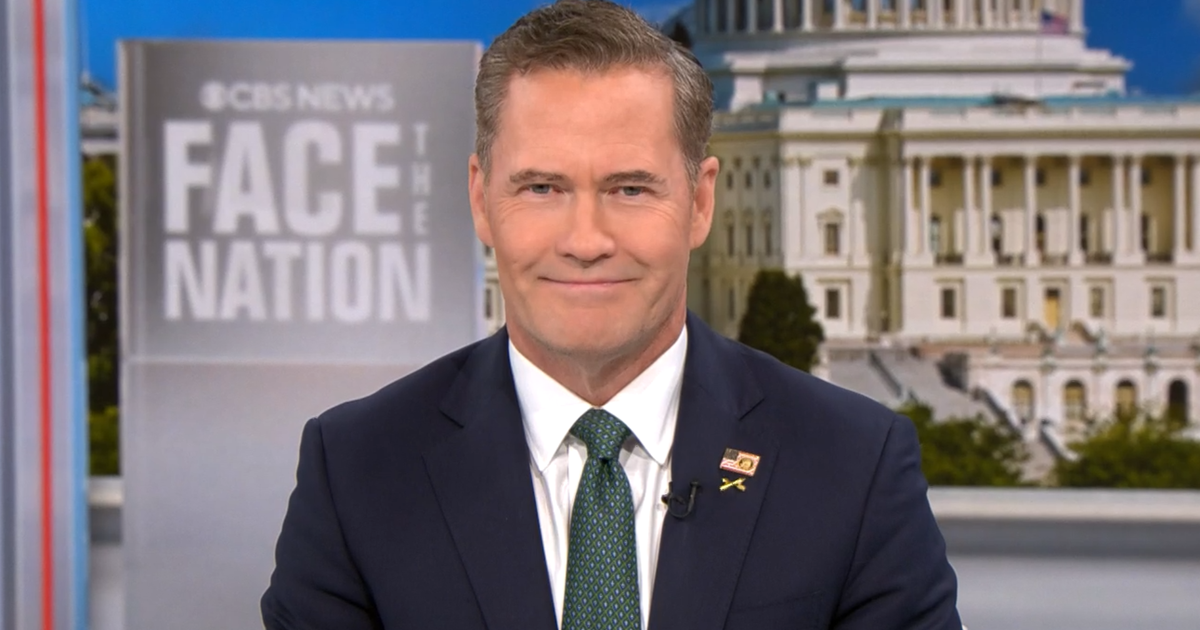
U.S. Ambassador to the United Nations Mike Waltz said the Iran strikes pause is meant to give diplomacy “some space” and “a little bit of time,” even as he said more American military assets are being sent to the region.
Waltz made the comments on CBS News’ “Face the Nation with Margaret Brennan”, describing President Trump as “a president of peace” who is “giving diplomacy a chance.”
The U.S. held off on strikes Friday and Saturday night after 13 straight days of bombing, according to CBS News. That barrage followed the collapse in early July of a ceasefire that had lasted nearly three months. Tehran also paused its strikes on Sunday, CBS News reported.
Why did the U.S. pause strikes against Iran?
Waltz said the pause is intended to allow diplomatic efforts to work. He also praised Oman’s role after an Iranian official told CBS News that talks between Iranian and Omani officials over the previous two days had been constructive.
The pause does not mean Washington is pulling back militarily. Waltz told Brennan that “additional military assets are moving into the region,” and rejected claims that the U.S. lacks the weapons it needs.
“Not only do we have what we need in theater, there’s more moving into theater,” Waltz said, according to CBS News.
His comments came after CBS News reported last week that the pace of U.S. use of advanced air-defense interceptors and precision-guided weapons in the Middle East had become a major point of tension inside the Trump administration. Waltz called concerns about insufficient assets “nonsense.”
What are Americans saying about the Iran war?
A CBS News poll published Sunday found that most Americans described their feelings about the war as “uncertain” or “frustrated.” The poll also found that Americans still consider it important to reopen the Strait of Hormuz, halt Iran’s nuclear program and stop Iran’s threats against the region, while also saying they believe the conflict is not going well.
The Strait of Hormuz is a narrow waterway linking the Persian Gulf with global shipping routes. It is closely watched because disruptions there can affect energy supplies and prices.
On the same program, Sen. Bernie Sanders, a Vermont independent who caucuses with Democrats, said the U.S. should return to diplomacy. Sanders has opposed the Iran war from the beginning.
“Let’s sit down. Let’s negotiate with them. Let’s stop the killing,” Sanders told Brennan. He also said the war was hurting the economy by raising gas prices and other costs.
Sen. John Kennedy, a Louisiana Republican, appeared after Sanders and pushed back on that approach. Kennedy said coming home would be a “huge, huge mistake,” according to CBS News.
Kennedy said the U.S. should “stay the course” for at least a few more months if it can handle higher energy costs, while adding that he does not think American troops should be sent in.
He also called for tighter sanctions on Iranian oil sales, said the U.S. should continue a blockade, and argued that the U.S. “ought to bomb” Pickaxe Mountain, which CBS News described as a suspected nuclear site buried deep under rock.
This story draws on original reporting from CBS News.