Iran war goals evolved from regime change talk to a Hormuz endgame
U.S. aims in Iran shifted from sweeping political rhetoric to military targets, while reopening the Strait of Hormuz became urgent.
By Deshawn Carter · Sports Writer
3 min read
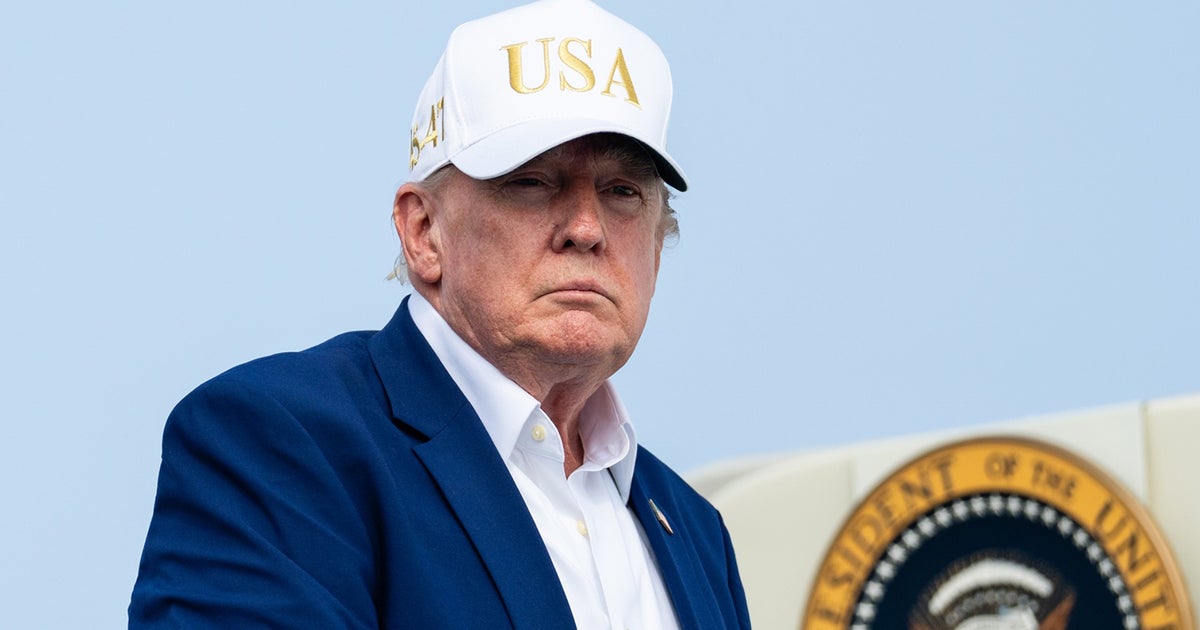
Iran war goals evolved from broad calls for freedom, regime change and even wider peace into a narrower set of military aims, with the reopening of the Strait of Hormuz now a central issue in any endgame.
The stated objectives have not moved in a straight line. They have ranged from political change inside Iran to specific efforts against its nuclear, missile, drone, naval and proxy capabilities. What has remained most consistent, according to reporting by NPR and analysis from the Council on Foreign Relations, is the U.S. position that Iran must not obtain a nuclear weapon.
How have the Iran war goals evolved?
At the outset of the U.S.-Israeli strikes on Feb. 28, President Donald Trump cast the conflict partly as an opening for Iranians to reclaim their country. NPR reported that he urged Iranian soldiers to join protesters and later demanded Iran’s “unconditional surrender,” while also speaking about new leadership for the country.
That was the war’s widest political framing: support for protesters, the prospect of regime change and claims that military action could bring peace to the Middle East and beyond. NPR reported in March that Trump later spoke less about protesters and appeared to pull back from an explicit demand for surrender, even as he occasionally returned to regime-change language.
Administration officials put forward a more concrete list of military goals. NPR reported that senior aides focused on preventing Iran from acquiring a nuclear weapon, destroying its navy, dismantling its ballistic-missile arsenal and limiting its ability to build more missiles.
Ariane Tabatabai, a Council on Foreign Relations senior fellow, described the later objectives as degrading Iran’s nuclear program and scaling back its missile, drone and naval capacity. She also cited limiting Iran’s ability to use regional proxies against U.S. forces and partners, while protecting those partners.
That is a meaningful distinction: political rhetoric described what Washington said it hoped Iran might become, while the operational targets concerned capabilities the U.S. said it wanted to reduce. The reporting does not establish that those objectives were achieved.
Why is the Strait of Hormuz now central?
The focus has increasingly shifted from battlefield targets to the terms of ending or containing the conflict. The Strait of Hormuz, the narrow waterway connecting the Persian Gulf to open seas, is key to commercial shipping and energy flows. Brookings said it normally carries about 20% of global oil and liquefied-natural-gas supplies.
Iran’s ability to disrupt transit there has turned the waterway into bargaining leverage. CBS News reported that full traffic through the strait had become a key U.S. priority alongside nuclear restrictions. Iran, however, has tied reopening it to wider demands.
- Iran says the U.S. must remove its blockade of Iranian ports.
- It wants compensation for war damage.
- It seeks sanctions relief and the release of frozen Iranian assets.
Those are Iran’s stated conditions, not agreed terms. The Council on Foreign Relations reported on Aug. 10 that Iranian Foreign Ministry spokesperson Esmaeil Baghaei set out those demands. It also reported that a U.S. official said on Aug. 7 that the port blockade would be lifted once commercial shipping was fully restored.
The unresolved picture is clear. A Pakistan-mediated ceasefire and June memorandum of understanding halted large-scale fighting, according to CFR, but disputes over nuclear limits, Hormuz and sanctions relief remained. April reporting by NPR said Iran’s government and military were still functioning despite U.S. claims of severe damage, leaving the original political goals and several military ones unsettled.
Watch CBS News’ analysis of the changing war aims.
This story draws on original reporting from CBS News.