Michigan primary results 2026 expose challenges for both parties
Abdul El-Sayed and William Lawrence won key Democratic primaries, setting up November tests for party unity and GOP incumbency.
By Frankie Delgado · News Reporter
3 min read
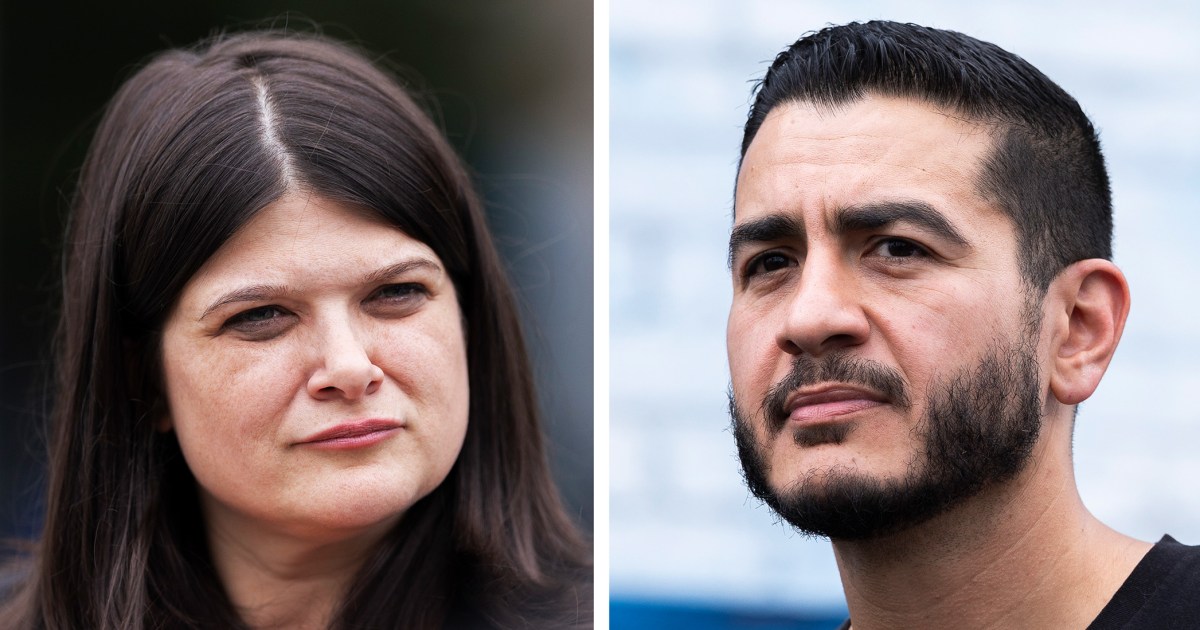
Michigan primary results 2026 handed progressives two prominent wins and left both parties with work to do before November. Abdul El-Sayed beat Rep. Haley Stevens for the Democratic Senate nomination, while William Lawrence won the Democratic nod to challenge Republican Rep. Tom Barrett in the 7th Congressional District, NBC News and NPR reported.
El-Sayed, a progressive, will face former Republican Rep. Mike Rogers for Michigan’s open Senate seat. NPR described Stevens as the establishment-backed candidate in the contest, which sharpened the divide between the party’s progressive and more moderate wings.
What did Michigan’s primary results mean for November?
For Democrats, the immediate job is bringing together voters after a divisive Senate primary and turning them out in the general election. Michigan Democrats were scheduled to gather for a unity rally featuring former Transportation Secretary Pete Buttigieg on Aug. 7, according to NBC News.
The GOP is expected to make El-Sayed’s ideology a central line of attack. NBC News reported that Republicans want to link Democrats to the party’s growing democratic-socialist wing. El-Sayed has said he is not a socialist.
The Senate race is also a test of whether the coalition that lifted El-Sayed through a Democratic primary can carry him in a statewide contest against Rogers. NPR reported that the seat matters to Democrats’ goal of winning Senate control, but the primary result alone does not settle how the November electorate will respond.
A battleground House race takes shape
Michigan’s 7th District, which includes Lansing, offers a second, very different test. President Donald Trump carried the district by 1 point in 2024, NBC News reported, and Lawrence now faces first-term incumbent Barrett in November.
Lawrence told NBC News he plans to center issues he believes can appeal across political lines, including opposition to data centers and the Iran war. He also said he would work with Democratic Sen. Elissa Slotkin, despite past criticism of her and her endorsement of one of his primary opponents.
Barrett has welcomed Trump’s endorsement while also taking positions on Iran that differ from the president’s approach. NBC News reported that Barrett supported a war-powers resolution during the Iran conflict. CNN separately reported that he had voted three times by late July to limit Trump’s war powers involving Iran.
In May, Barrett introduced a resolution seeking congressional authorization for military operations against Iran, with a deadline and a ban on ground troops, local outlet WLNS reported. The measure was referred to committee, and WLNS said it was unclear whether House Republican leaders would bring it to a vote.
Barrett also acknowledged to NBC News that the Iran conflict had pushed up gas prices. He declined to grade Trump’s economic performance, saying he would not claim serious improvement and that the work was unfinished.
November will put those threads under pressure: Democrats must unite behind nominees from their progressive wing, while Barrett’s race will show how a Republican incumbent fares in a narrowly Trump-won district after breaking with the president on military authority.
This story draws on original reporting from NBC News.