Michigan synagogue reopens after March attack at Temple Israel
Temple Israel in West Bloomfield returned for Rosh Hashanah six months after the March 12 attack, with Torahs back in place and added security.
By Frankie Delgado · News Reporter
2 min read
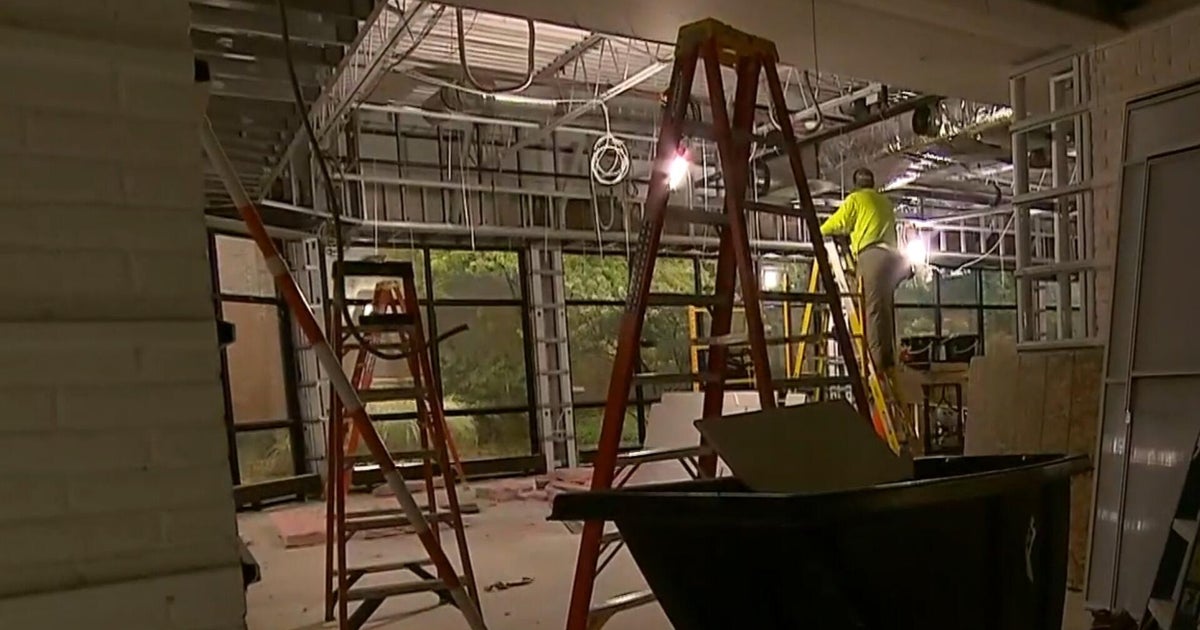
Michigan synagogue reopens after attack: Temple Israel in West Bloomfield returned to its sanctuary for Rosh Hashanah on Friday evening, six months after the March 12 assault forced the congregation from its building.
The return brought worshippers and the synagogue’s Torah scrolls back to the sanctuary, where the scrolls were placed again in the ark, according to The Forward. The congregation also reopened its early childhood center earlier that week.
What happened at Temple Israel in March?
Federal officials said Ayman Muhammad Ghazali drove a truck into Temple Israel on March 12 and exchanged gunfire with synagogue security personnel. Ghazali died during the incident, authorities said.
The FBI said on March 30 that its investigation assessed the attack as a Hezbollah-inspired act of terrorism directed at the Jewish community and Temple Israel. FBI Detroit Special Agent in Charge Jennifer Runyon said the assessment was based on evidence that the attacker was motivated by Hezbollah’s militant ideology.
According to the BBC’s account of the FBI briefing, no one else was killed. A security guard was injured and multiple officers were treated for smoke inhalation. The FBI said it had found no evidence of co-conspirators.
A return marked by help from beyond the synagogue
The reopening came with additional security measures, though Temple Israel did not detail them in The Forward’s report. Danny Phillips, the synagogue’s security director, helped carry a Torah back into the sanctuary while still recovering from injuries sustained protecting the congregation, the newspaper reported.
Recovery also meant replacing the basics of worship. Temple Israel’s High Holiday prayer books were destroyed in the attack, The Forward reported, and its usual edition was out of print. Other congregations around the country sent replacement books.
Temple Israel’s neighbors played a role from the first day. The Forward reported that Shenandoah Country Club, across the street and part of the local Chaldean Christian community, sheltered children and teachers during the attack. It hosted the congregation for Shabbat on the following evening.
At the Rosh Hashanah service, congregational leaders and clergy reflected on returning to a building tied to weddings, coming-of-age ceremonies and farewells, while acknowledging the damage the attack had done to their sense of safety, The Forward reported.
The Rosh Hashanah return did not erase that experience. It restored a place for services, education and the congregation’s Torah scrolls six months after the attack.
This story draws on original reporting from CBS News.