Trump DOJ gun ruling appeal decision leaves Texas injunction in place
CBS News reports Trump directed DOJ not to appeal a Texas gun ruling, leaving a limited injunction in place for plaintiff groups.
By Frankie Delgado · News Reporter
3 min read
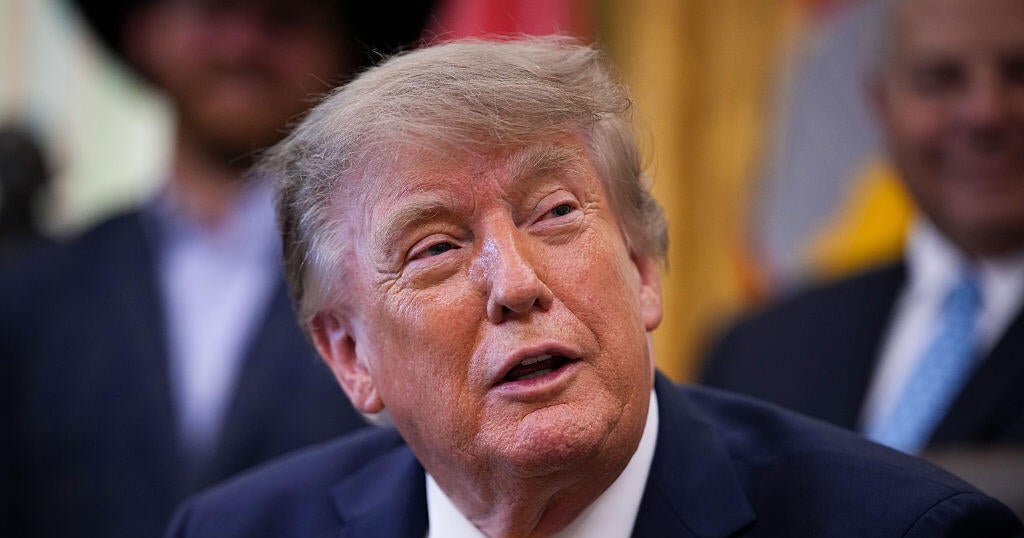
Trump DOJ gun ruling appeal plans are off, according to CBS News, which reported that President Trump instructed the Justice Department not to challenge a Texas federal judge’s decision limiting enforcement of parts of the National Firearms Act.
The account rests on unnamed sources familiar with the matter. A Justice Department official told CBS that the department planned to tell Congress it would not appeal, while the reported deadline to file an appeal is Oct. 5.
The move would leave in place a permanent injunction issued in August by U.S. District Judge James Wesley Hendrix in the Northern District of Texas. The order bars the Bureau of Alcohol, Tobacco, Firearms and Explosives from enforcing the challenged provisions against the parties in the lawsuits.
What does the Texas gun ruling change?
The injunction is not a nationwide end to the federal rules. CBS reported that it covers the parties to two consolidated cases, including current and future members and customers of the plaintiff gun-rights organizations. The plaintiffs included 15 Republican-led states, Gun Owners of America, the Gun Owners Foundation and individuals.
Short-barreled rifles, short-barreled shotguns and silencers, also called suppressors, are among the categories implicated. Before the ruling, the 1934 law required people seeking to make, possess or sell covered weapons or devices to file detailed ATF paperwork, submit fingerprints and register the items. The rules also required serial-number engraving, CBS reported.
Machine guns and explosive devices remain primarily regulated under the National Firearms Act. The ruling also does not govern ordinary commercially sold firearms such as AR-15-style rifles and Glock pistols, which are largely covered by a different federal law, according to CBS.
The White House said people barred from buying firearms before the decision remain barred, and said federal criminal laws imposing additional penalties for unlawful firearm possession would continue to be enforced. A Justice Department spokesperson said ATF would issue guidance to carry out the court order.
Why did the judge rule against the restrictions?
Hendrix concluded that Congress’s removal of a $200 tax on the transfer or making of covered firearms under the One Big Beautiful Bill Act undercut the taxing-power basis for the challenged regulations, CBS reported. Justice Department lawyers had argued that Congress retained authority under the Constitution’s Commerce Clause and that a separate tax on businesses dealing in the firearms remained in place.
CBS reported that some Justice Department lawyers opposed foregoing an appeal and warned of effects on gun prosecutions. The concern has already surfaced in Alabama: prosecutors dropped an indictment accusing Cameron Silmon of knowingly receiving an unserialized silencer after his lawyer said he joined plaintiff gun-rights groups after the injunction took effect.
The prosecutor said the government disputed the idea that a Texas district judge could stop an Alabama U.S. attorney from enforcing federal criminal law. CBS reported that Silmon faces other charges, including alleged illegal machine-gun possession, which is outside the injunction’s scope.
Gun-control groups criticized the department’s earlier decision not to seek a pause of Hendrix’s order, while Second Amendment advocates hoped the lack of an appeal meant the department would stand down, The Hill reported. The reported presidential instruction has not been independently confirmed in the supplied on-the-record statements.
This story draws on original reporting from CBS News.