New LGBTQ music history casts Elton John’s glam era as a turning point
Barry Walters’ Mighty Real argues that Elton John’s 1970s transformation helped bring queer signals in pop music closer to the surface.
By Sal Moretti · Money Reporter
3 min read
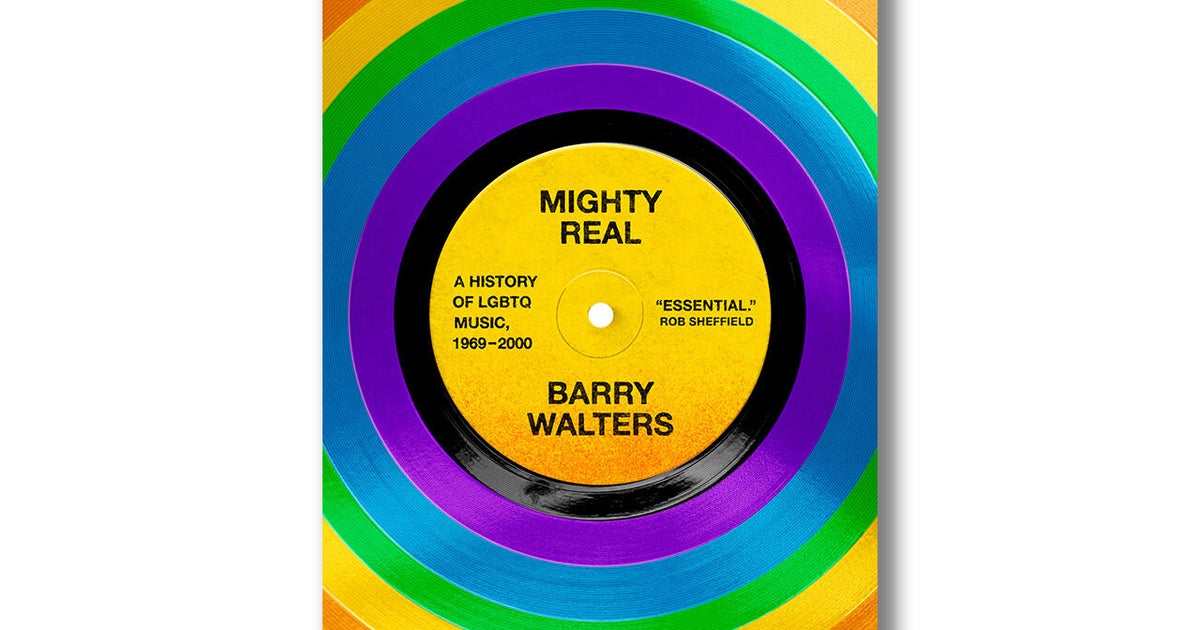
Elton John’s jump from denim-and-beige singer-songwriter packaging to pink satin, platform shoes and full-throttle glam gets star treatment in Barry Walters’ new book, Mighty Real: A History of LGBTQ Music, 1969-2000.
The book, published by Viking, looks at how LGBTQ artists, writers, executives and audiences changed popular music in the final decades of the 20th century. Walters, whose work has appeared in Rolling Stone and Spin, tracks a period when queer ideas in pop moved from coded hints toward more open expression.
In a chapter on John, Walters argues that the singer’s early public image gave little away. He points to the subdued look of John’s first album covers and says much of the early 1970s material, though emotional and elaborate, was not plainly autobiographical.
Walters gives major weight to John’s partnership with lyricist Bernie Taupin and producer Gus Dudgeon. He writes that Taupin’s story-driven lyrics and Dudgeon’s expansive production helped push John’s records beyond the more inward style associated with many singer-songwriters of the era.
The chapter says explicit queer content was scarce in John’s earliest records, though Walters identifies moments that later resonated with LGBTQ listeners. He cites “Rocket Man,” from 1972’s Honky Château, as a song whose image of a man cut off from ordinary life could speak to closeted audiences. He also frames “Honky Cat” as a city-salvation story with queer relevance.
Walters places 1973’s Goodbye Yellow Brick Road at the center of the transformation. He calls the double album the point where John’s music and presentation moved decisively into a brighter, more theatrical mode. According to Walters, the album captured more of the energy of John’s Little Richard-inspired concerts and helped define the sound most associated with him.
The book notes that John publicly came out later, first saying he was bisexual in Rolling Stone in 1976 and later saying he was gay in 1988. Walters treats Goodbye Yellow Brick Road as a kind of artistic foreshadowing, arguing that its imagery and sound signaled a break from the more restrained persona of John’s earlier career.
Walters also reads the album artwork as part of that shift. He describes John, then still known at birth as Reg Dwight before his reinvention as Elton John, stepping into a Hollywood-colored fantasy linked to The Wizard of Oz and the idea of a brighter LGBTQ future.
The chapter moves through several songs on the album, including “Funeral for a Friend,” “Love Lies Bleeding,” “Saturday Night’s Alright for Fighting,” “All the Girls Love Alice,” “Candle in the Wind” and “Bennie and the Jets.” Walters says “Bennie and the Jets” became John’s biggest U.S. hit for decades, despite John’s doubts about releasing it as a single.
Walters also connects John’s music to Black radio and soul audiences, noting that “Bennie and the Jets” found success on R&B radio and helped lead to John’s appearance on Soul Train. He adds that Aretha Franklin’s 1970 gospel version of John’s “Border Song” charted higher than John’s own version.
Mighty Real is available in hardcover, ebook and audio formats. CBS News says Walters is scheduled to appear on CBS Sunday Morning on July 19.
This story draws on original reporting from CBS News.