Monarch butterflies’ super generation makes a 3,000-mile dash to Mexico
CBS’ 60 Minutes reports on the long-lived monarchs that fly from Canada and the northern U.S. to winter in Mexico’s mountain forests.
By Frankie Delgado · News Reporter
4 min read
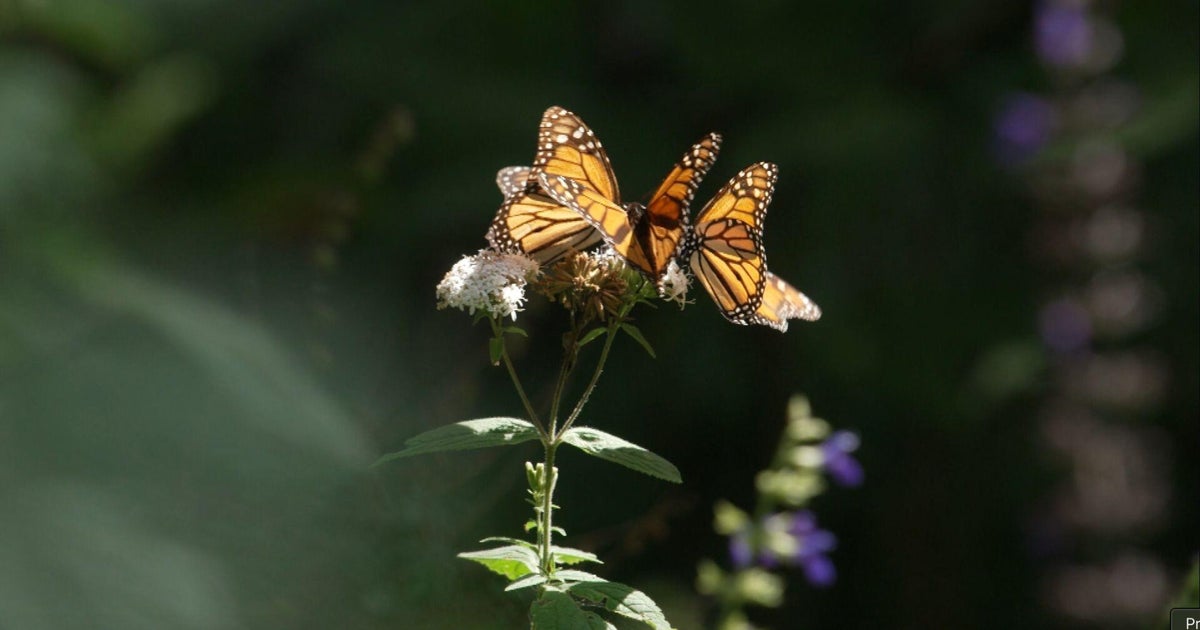
Tens of millions of monarch butterflies are spending the winter 11,000 feet up in the mountains of Michoacan, Mexico, after a journey that can stretch about 3,000 miles, CBS’ 60 Minutes reported.
The butterflies gather in fir and pine forests beginning in late October, clustering so thickly on branches that they can look like hanging leaves. Jorge Rickards, director of the World Wildlife Fund in Mexico, told 60 Minutes that the sheer number of butterflies can bend tree limbs toward the ground.
The scene is part of one of nature’s strangest relay races. Most monarchs live about a month, but in late summer and early fall a so-called super generation emerges in Canada and the northern United States east of the Rockies, according to the report. These butterflies suppress a reproductive hormone in a process called diapause, conserving energy and extending their lives up to nine months.
That extra time lets them fly south to Mexico, where they rest through the winter before mating and beginning the return trip north. The same individual butterflies will not complete the full round trip, according to 60 Minutes; later generations continue the journey back toward the areas where the super generation began.
A mystery with wings
Scientists still do not fully know how the monarchs find the same wintering forests. Rickards told 60 Minutes the route may be tied to ancient geography, climate or topography, but the exact answer remains unknown.
The report said monarchs use circadian clocks in their antennae and internal compasses that respond to the sun’s position and Earth’s magnetic field. Monarchs born west of the Rockies remain in the West and make shorter migrations.
On the mountain, the butterflies enter a hibernation-like state. They survive on energy stored from nectar gathered during the trip south. The forest canopy helps shield them from storms, while cool, humid air helps keep them hydrated, according to the report.
When cold butterflies fall to the forest floor overnight, many are still alive but too chilled to fly. Rickards said they need enough warmth to restore their wing muscles, and that fallen monarchs are vulnerable to birds and mice.
Habitat under pressure
The monarch wintering sites in Mexico were identified by researchers in 1975, and Mexico made the area a federal reserve 11 years later, according to 60 Minutes. Illegal logging later threatened the roosting habitat.
The report said the butterflies’ roosting areas once covered as much as 45 acres and are now down to about 4.5 acres. The World Wildlife Fund has worked to monitor the forest, measure butterfly colonies, plant trees and support local and Indigenous communities through tourism.
The monarch population in Mexico has fallen 70% over the past 30 years, according to the report. Scientists cited by 60 Minutes say worsening storms and rising temperatures kill many migrants, and less than 20% of the monarchs that start the trip reach the mountains of Michoacan.
There has been some brighter news. Scientists told 60 Minutes that conservation efforts are moving in the right direction, and one survey found monarchs covered more than double the forest area during the latest hibernation season, totaling more than seven acres.
Milkweed and a paper trail
In the United States, the nonprofit Monarch Watch at the University of Kansas has helped tag more than two million monarchs over 30 years, according to founder Chip Taylor, an 87-year-old ecologist interviewed by 60 Minutes.
The tags help prove that monarchs from the U.S. and Canada reach Mexico, Eduardo Rendon, head of WWF’s Monarch Butterfly Program, told the program after finding one near a colony.
Monarch Watch also urges people to plant milkweed, the only food newly hatched monarch caterpillars eat. The report said milkweed has become harder to find on agricultural land because genetically modified corn and soybean crops allow widespread herbicide spraying.
The group says 50,000 Monarch Waystations have been planted in gardens and on public land. For communities in Mexico, the butterflies’ late-October arrival also carries spiritual meaning because it coincides with the Day of the Dead, when many believe departed loved ones return to visit.
This story draws on original reporting from CBS News.