Mount Fuji death: EXIT director Bernhard Sutter dies during hike
Swiss assisted-dying executive Bernhard Sutter died after a medical emergency on Mount Fuji, as police reported another rescue.
By Frankie Delgado · News Reporter
3 min read
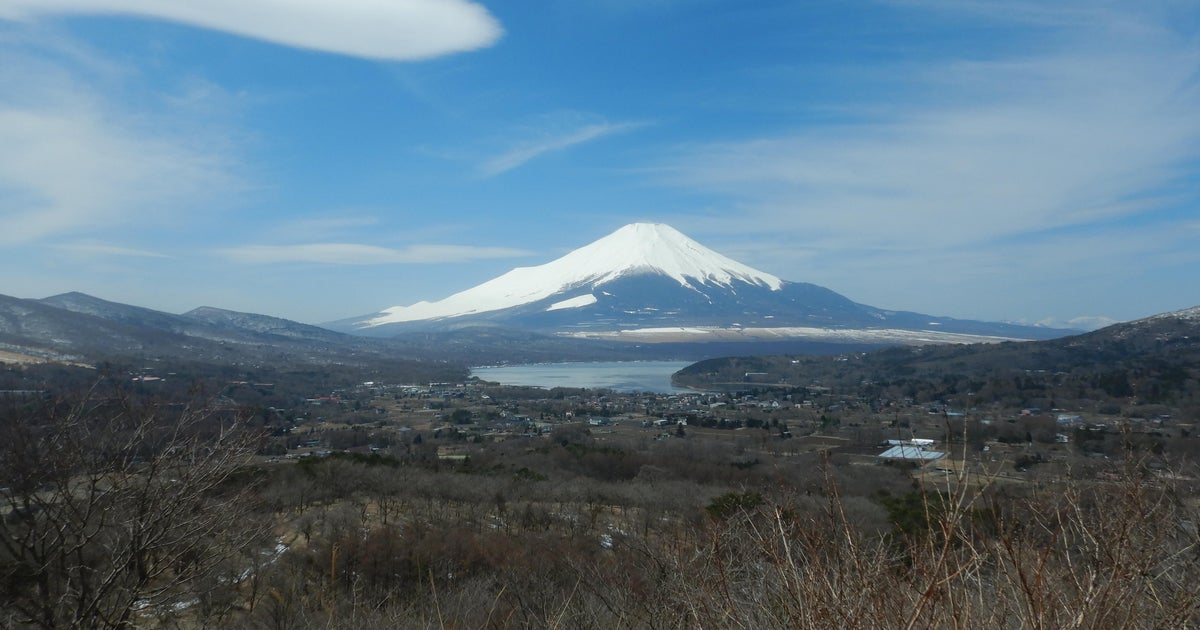
A Mount Fuji death has been identified by Swiss assisted-dying organization EXIT as Bernhard Sutter, its managing director, after authorities said a Swiss hiker lost consciousness on Japan’s highest mountain.
Police told AFP the 58-year-old man was revived and taken to a hospital, where he was pronounced dead on arrival. EXIT said in a statement that Sutter died after a medical emergency while on a family vacation in Japan, according to the Japan Times.
“Our thoughts are with his family and loved ones in these difficult hours. We express our deepest condolences to you,” EXIT said, according to the Japan Times.
Authorities said the death was the second fatality on Mount Fuji since the official hiking season opened on July 1. A 65-year-old Japanese man died on July 17, reportedly after falling and hitting his head.
What happened to Bernhard Sutter on Mount Fuji?
Police said the Swiss man fell unconscious while hiking Mount Fuji. He was resuscitated, transported to a hospital and later declared dead on arrival, according to AFP.
EXIT identified him as Bernhard Sutter, the assisted-dying company’s managing director, and said his death followed a medical emergency during a family trip in Japan, according to the Japan Times.
The mountain, a 12,388-foot volcano, is one of Japan’s most famous landmarks and a major climbing destination. The round trip can take five to 10 hours, and officials have warned that some climbers arrive without the fitness or gear needed for the ascent and descent.
Police also rescued a 99-year-old climber
Police said rescuers saved Tome Sagawa, a 99-year-old Japanese woman, on the same day Sutter died. Authorities said she had been trying to climb the mountain when she was injured the previous day and spent the night in a mountain hut.
A police spokesman urged hikers to turn back if the weather or their health becomes a concern, and to choose plans that match their experience and physical fitness.
Other recent rescues have added to official concerns. Reports said a 54-year-old Japanese man had to be rescued twice in two days while attempting the climb. In 2025, a Chinese man climbing outside the official season was also rescued twice after returning to search for his phone and other belongings.
Why Japan tightened Mount Fuji climbing rules
Japan has moved to control access to Mount Fuji after crowding, heavy tourism and safety incidents involving climbers who were not properly prepared. Officials have cited problems including litter, damage to the alpine environment and visitors ignoring warnings about cold conditions.
Yamanashi Prefecture, which manages the busy Yoshida Trail, introduced a daily limit of 4,000 climbers in 2024 and a 2,000-yen climbing fee, about $12.20. The fee was doubled in 2025.
Neighboring Shizuoka Prefecture also brought in a 4,000-yen charge for its three trails.
A little more than 200,000 people climbed Mount Fuji last year, down from just over 220,000 in 2023. Authorities reported no deaths in 2025, after nine deaths during the 2024 season. In June 2024, four bodies were recovered on the mountain after one missing climber had sent summit photos to his family.
This story draws on original reporting from CBS News.