Navy shuts off routine access to sailors’ service records
The service says security concerns drove the change, while press advocates warn it will make reporting on military matters harder.
By Frankie Delgado · News Reporter
3 min read
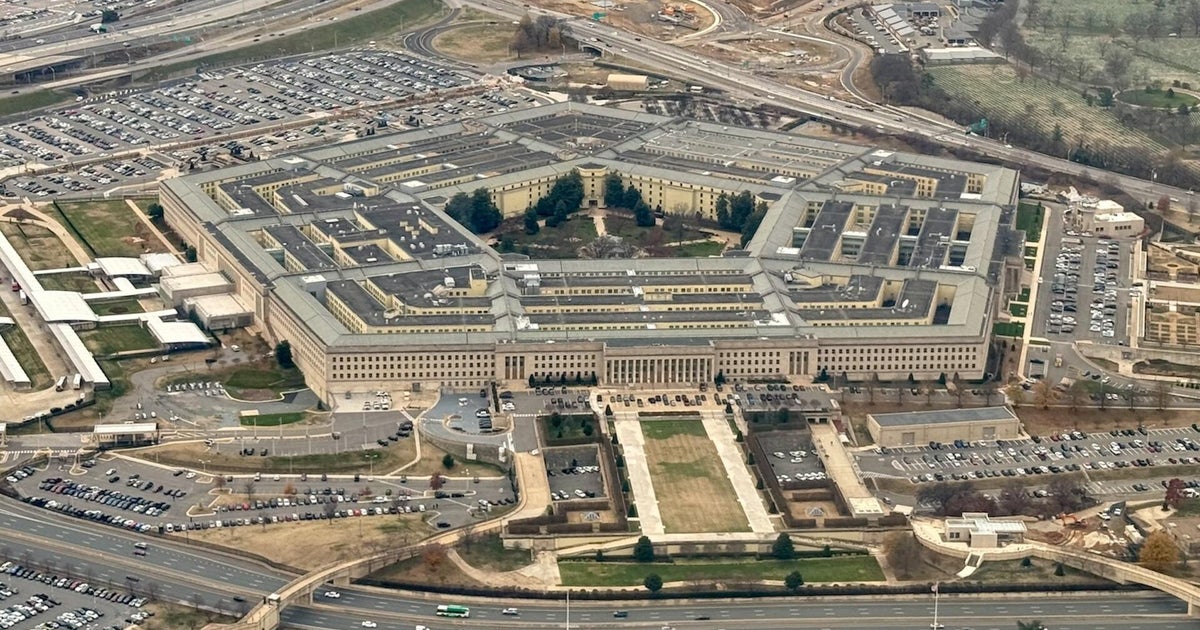
The U.S. Navy is cutting off routine public access to sailors’ service histories, a shift that blocks details the service has released to reporters and the public for decades, according to CBS News and The Associated Press.
Capt. Candice Thresh, a spokeswoman for the Chief of Naval Personnel, told the AP that the Navy will still confirm whether someone is a sailor, but only when the service decides a request is “of high public interest.” No further details will be released until what the Navy described as a threat has passed.
The withheld information can include a sailor’s past units, awards, rank, duty assignments and service status, according to CBS News. Those details are often used to give context when service members are connected to major public events.
The Navy says the change is tied to heightened security risks and concerns about harassment. Thresh said in an emailed statement that more detailed records would now be released only if a sailor is “a public figure or extenuating circumstances exist,” terms the Navy can define itself.
Policy widened beyond commanders
The new approach grew out of a policy issued last Thursday by Rear Adm. John Robinson, the Navy’s top spokesman, CBS News reported. That order required the Navy to remove public-facing information about commanding officers.
Thresh told the AP that the personnel office expanded the rule to cover all sailors so the policy would be applied evenly. Robinson’s office did not respond to questions from CBS News about that broader interpretation.
The move appears to clash with existing Pentagon guidance on privacy, according to CBS News. The Defense Department’s privacy policy says information such as rank, assignments, awards and service status is generally releasable and may be disclosed without creating a clearly unwarranted invasion of personal privacy.
The policy was tested last week after the AP requested the biography of a Blue Angels pilot following a disputed maneuver over a crowded Florida beach, CBS News reported. Robinson’s office refused to provide the biography, even though the pilot’s name, photograph and some service details were already posted on the official Blue Angels website.
Thresh later provided the biography personally after the AP began asking about the policy, according to CBS News.
Press access fight keeps growing
First Amendment lawyer Floyd Abrams told CBS News the Navy’s policy could make it harder to report on sailors who are wounded or injured. He called the move “flatly inconsistent with the First Amendment” and said it looked like an attempt to limit newsworthy information that could raise questions about public policy.
The Navy restriction is part of a wider tightening of media access around the military, CBS News reported. Under Defense Secretary Pete Hegseth, the Pentagon has required reporters to be escorted on Pentagon grounds, and last year tried to impose new rules on journalists working inside the building. Most news organizations surrendered their access badges rather than agree, and that policy is now being challenged in federal court.
This summer, the Pentagon also declared its press office a classified space off limits to journalists, according to CBS News.
Last month, the military asked Congress for authority to keep some unclassified records from the public. CBS News first reported that proposal, which would let the defense secretary exempt certain “controlled unclassified information” from disclosure under the Freedom of Information Act.
Brett Max Kaufman, senior counsel at the American Civil Liberties Union’s Center for Democracy, told CBS News that the executive branch already has “a massive overclassification problem” and wrote that the government does not need another power to withhold records under FOIA.
This story draws on original reporting from CBS News.