Nepal tunnel rescue pulls two men alive from Trishuli 3A after nine days
Two men described in reports as workers were found in a Nepal hydropower tunnel nine days after floods, as searches continued.
By Frankie Delgado · News Reporter
2 min read
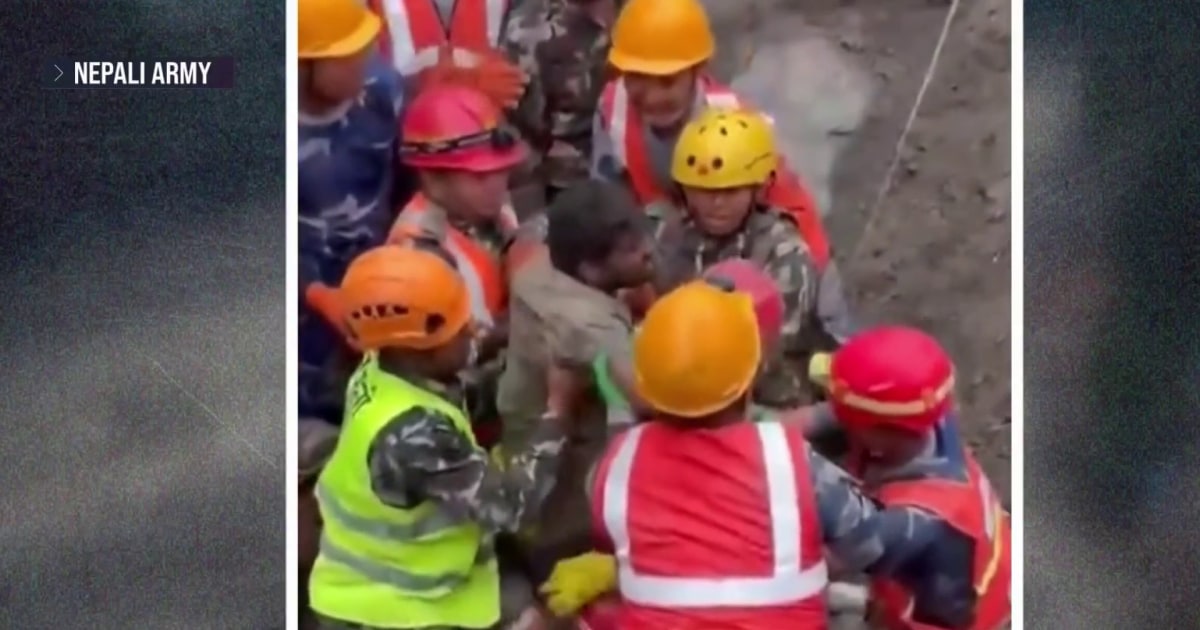
In the Nepal tunnel rescue, two men described in reports as workers were pulled alive from the Trishuli 3A hydropower project in Rasuwa district on Sept. 4, nine days after devastating floods struck the area.
The men were found in an underground tunnel at the project after search teams heard voices from inside, according to CBS News and an Associated Press report carried by WUNC. Officials described the survivors as a mechanical foreman and a mechanical supervisor, but the reports did not name them.
Nepal Army spokesperson Brig. Gen. Raja Ram Basnet confirmed the first rescue, CBS reported. Nepalese lawmaker Shri Ram Neupane announced the second shortly afterward, the report said.
Both men were flown to a hospital in Kathmandu. Their condition was reported differently: CBS said officials described both as stable, while the AP report said the prime minister’s office had said one survivor was in critical condition.
How did rescuers find the men in the Nepal tunnel rescue?
Rescue teams heard voices coming from within the tunnel on Friday morning, which enabled them to locate the two men, according to CBS and DW News. One survivor later said other people were alive inside, Basnet told the AP.
That account has kept the operation focused on the tunnels. Authorities and industry representatives said other people were still missing or believed trapped at hydropower projects after the floods.
- The Independent Power Producers Association of Nepal estimated that at least 557 people were missing from the Trishuli 3A project, including about 115 believed trapped in its main tunnel, CBS reported.
- Authorities put the wider number at about 900 workers missing from 12 hydropower projects, with roughly 500 thought to be trapped in various tunnels, according to the AP report.
What is known about the flood disaster?
The flooding struck on Aug. 26. Reports described a glacial collapse as the likely cause, while the BBC cited U.S. Geological Survey analysis saying the recorded seismic energy came from a glacial collapse and debris flow, rather than an earthquake.
The scale of the disaster remained unsettled as rescue work continued. CBS, citing Nepal’s disaster management agency, reported at least 1,259 deaths and more than 5,000 people missing, while a later AP update cited at least 1,287 deaths and more than 5,000 missing. The differing death counts reflect reports published at different points in the emergency.
The two rescues offered a documented breakthrough in a search that was still underway, with the number and condition of any additional survivors unconfirmed.
This story draws on original reporting from NBC News.